
Search
Showing results for "clinical trials"
Energy drinks are predominantly targeted to young adult consumers; however, there has been limited research into their effects on psychological functioning...
This review aims to summarise and evaluate the potential mechanisms and evidence for the role of prenatal infection on the central nervous system, and how it...
This is the first study to link low gestational vitamin D to increased eating disorder risk in female offspring of Caucasian mothers.
Using data on 2868 children born in the Western Australian Pregnancy Cohort (Raine) Study, we examined the association between changes in family...
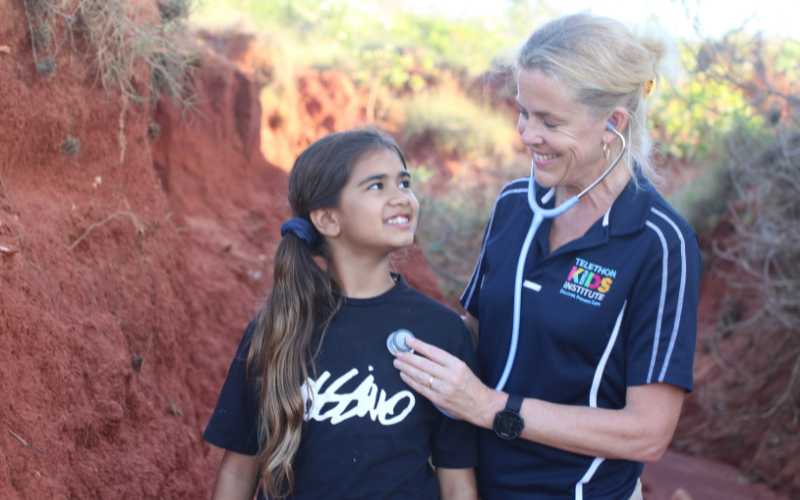
WA researchers will use a $1.97 million Medical Research Future Fund grant to develop a strategy for better follow-up of First Nations children after they’ve been hospitalised for respiratory infections, in a bid to halt the slide into more severe lung disease.

With Sophie Lumby

Consumer Representative Lauren Hope-Blyth

Re: Recommendations from the Diabetes and Endocrinology Department at Perth Children’s Hospital and the Children’s Diabetes Centre at The Kids Research Institute Australia regarding COVID-19 vaccination for children with diabetes
Despite education about the risks of excessive sun exposure, teenagers in Australia are sun-seeking, with sunburn common in summer. Conversely, some regular (time-limited) exposure to sunlight (that avoids sunburn) is necessary for vitamin D and healthy bones and other molecules important for immune and metabolic health. New interventions are thus required to better support teenagers to make healthy and balanced decisions about their sun behaviors.
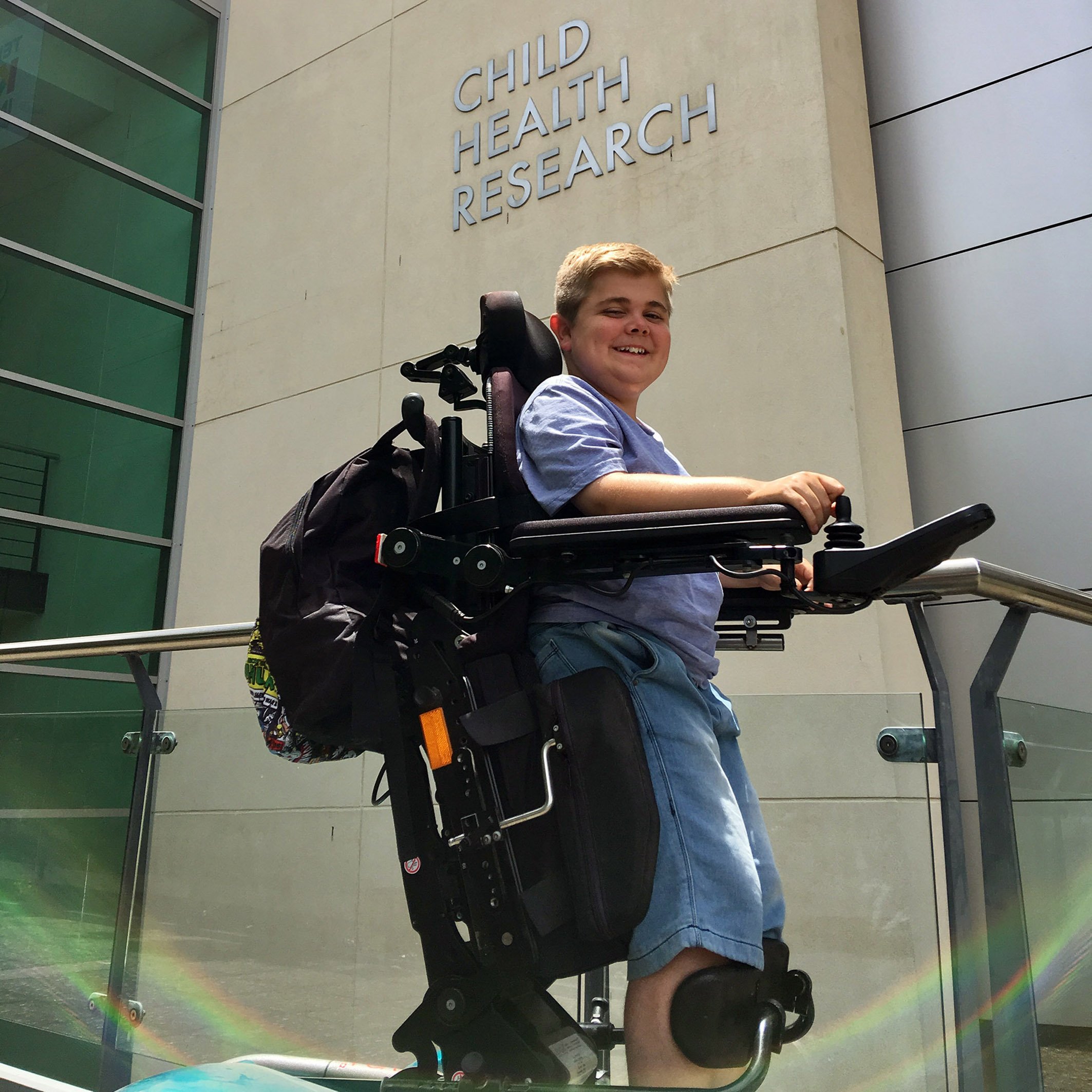
The Kids researchers are investigating the physical and psychological impacts of powered standing wheelchairs for boys suffering from Duchenne