
Search
Showing results for "preterm birth lungs"
Infant allergy is the most common early manifestation of an increasing propensity for inflammation and immune dysregulation in modern environments. Refined low-fibre diets are a major risk for inflammatory diseases through adverse effects on the composition and function of gut microbiota. This has focused attention on the potential of prebiotic dietary fibres to favourably change gut microbiota, for local and systemic anti-inflammatory effects.
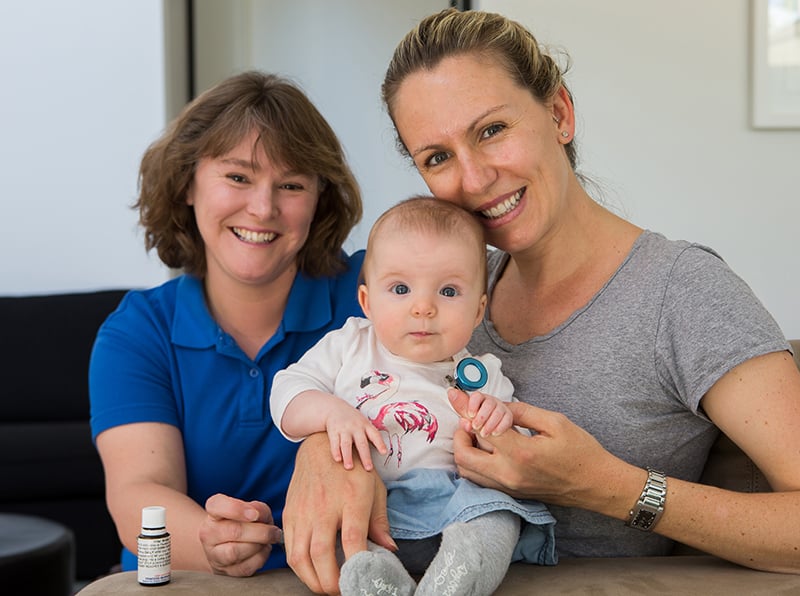
A study led by The Kids Research Institute Australia has suggested vitamin D supplementation in babies is no match for sunlight when it comes to preventing eczema.

A study by The Kids has found children with a parent who has gone to prison are significantly more likely to have poor development outcomes.

Trans Pathways is the largest ever survey conducted into the mental health of trans young people in Australia.
I spend a lot of time listening to parents and a lot of time analysing what they are thinking, how they are coping, how they behave and what they are doing.
This project explores the mental health and support needs of Australians with complex experiences of gender-affirmation.
This study examined how mental health clinicians conceptualise, assess, and treat dissociation in children and adolescents, and examined their confidence in working with these presentations to inform clinical practice.
Medulloblastoma is the most common childhood brain cancer. Mainstay treatments of radiation and chemotherapy have not changed in decades and new treatment approaches are crucial for the improvement of clinical outcomes. To date, immunotherapies for medulloblastoma have been unsuccessful, and studies investigating the immune microenvironment of the disease and the impact of current therapies are limited.
Epidemiological studies have demonstrated that survivors of acute burn trauma are at long-term increased risk of developing a range of morbidities. The mechanisms underlying this increased risk remain unknown. This study aimed to determine whether burn injury leads to sustained immune dysfunction that may underpin long-term morbidity. Plasma and peripheral blood mononuclear cells were collected from 36 pediatric burn survivors >3 years after a non-severe burn injury (<10% total body surface area) and from age/sex-matched non-injured controls.
Immunity is distinct in early life and greater precision is required in our understanding of mechanisms of early life protection to inform development of new pediatric vaccines