
Search
Showing results for "Childhood interstitial lung disease "

Respiratory disease remains one of the most significant complications of preterm birth, with lasting consequences.
The PACE Consortium represents the first steps in the discovery of the role of DNA methylation in health and disease

The world’s leading preterm scientists and doctors have joined forces to help give babies born very prematurely, the best possible life.
The Strep A Burden of Disease Working Group (BoDWG) was first established in 2020 through the Strep A Global Vaccine Consortium (SAVAC).
This paper examined the link between low serum Vitamin D levels and development of non-alcoholic fatty liver disease (NAFLD) in adolescents between 14 and 17...
Otitis media (OM) is a common disease in early childhood characterised by inflammation of the middle ear.
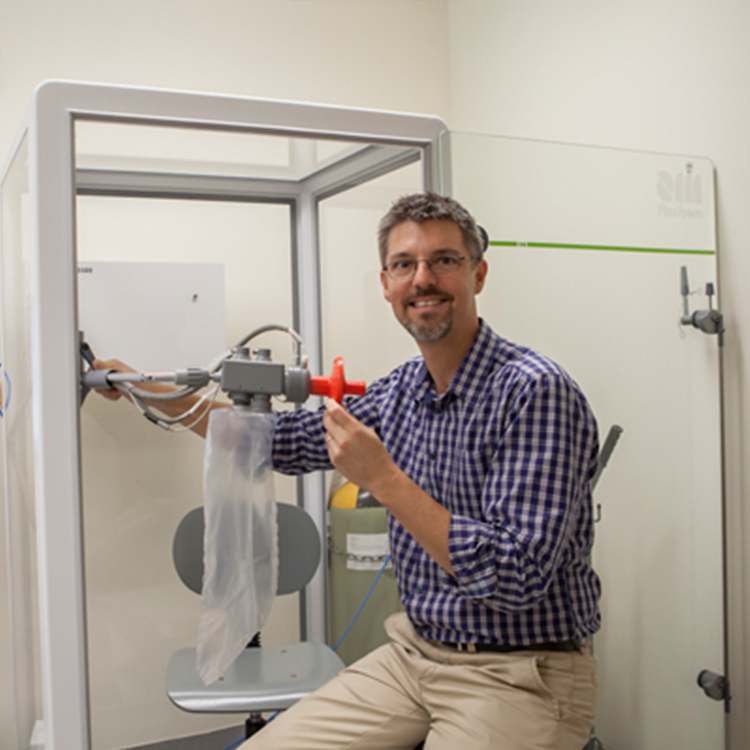
A global research network has taken another step towards standardising the way doctors interpret commonly used lung function tests.
This study tested the utility of optical coherence tomography-based indentation to assess mechanical properties of respiratory tissues in disease
Secondary prevention of acute rheumatic fever (ARF) and rheumatic heart disease (RHD) involves continuous antimicrobial prophylaxis among affected individuals and is recognised as a cornerstone of public health programmes that address these conditions. However, several important scientific issues around the secondary prevention paradigm remain unresolved.
Lung-function impairment underlies chronic obstructive pulmonary disease (COPD) and predicts mortality. In the largest multi-ancestry genome-wide association meta-analysis of lung function to date, comprising 580,869 participants, we identified 1,020 independent association signals implicating 559 genes supported by ≥2 criteria from a systematic variant-to-gene mapping framework. These genes were enriched in 29 pathways. Individual variants showed heterogeneity across ancestries, age and smoking groups, and collectively as a genetic risk score showed strong association with COPD across ancestry groups.