
Search
Cyclin-dependent kinase-like 5 (CDKL5) gene pathogenic variants result in CDKL5 deficiency disorder (CDD). Early onset intractable epilepsy and severe developmental delays are prominent symptoms of CDD. Comorbid sleep disturbances are a major concerning symptom for families.
Dissociative disorders in children and young adolescents are under-recognised and under-treated. Current diagnostic criteria rely on downward extensions of adult models and do not adequately consider developmental differences in younger populations. This reliance risks overlooking symptom patterns that may be unique in childhood, thereby perpetuating diagnostic gaps and delayed treatment.
Hemiplegic cerebral palsy (hCP) typically impacts sensorimotor control of the hand, but comprehensive assessments of the hands of children with hCP are relatively rare. This scoping review summarizes the development of hand function for children with hCP.
Caregivers of individuals with neurodevelopmental and chronic health conditions require health literacy (HL) skills for the long-term management of these conditions. The aim of this rapid review was to investigate the efficacy of HL interventions for these caregivers.
To establish the burden of respiratory illness in cerebral palsy (CP) on the Western Australian health care system by quantifying the costs of respiratory hospitalizations in children with CP, compared with non-respiratory hospitalizations.
To investigate the potential risk factors of respiratory illness (ethnicity, oral health, and eating and drinking ability) in children and young adults with cerebral palsy.
Septo-optic dysplasia (SOD) is a major cause of congenital hypopituitarism and is known to be associated with overweight and obesity in up to 44% of children. Given the role of the hypothalamus in hormonal regulation, we sought to assess the association of resting energy expenditure (REE), appetite and physical activity with SOD.
Septo-optic dysplasia (SOD) is a congenital disorder affecting 1 in 10,000 births, defined by the presence of at least two of a clinical triad, consisting of optic nerve hypoplasia, midline brain defects and pituitary hormone deficiency. Children with SOD may have vision impairment, hormonal deficiencies, developmental disorders, or epilepsy, but the clinical picture is highly variable. The complexity of SOD, its interplay with family factors, and the need for multiple specialty commitments can make the diagnosis period a challenging time for families.
To investigate the feasibility of implementing recommendations of the consensus statement for the Prevention and Management of Respiratory Disease in children with severe cerebral palsy (CP) via RESPiratory hospital Admissions in children with cerebral palsy: a feasibility randomized Controlled Trial (RESP-ACT).
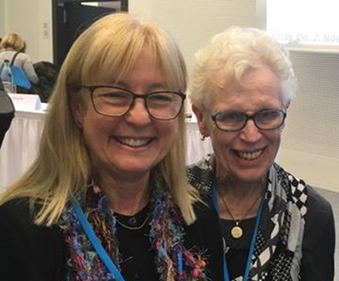
Two The Kids Research Institute Australia researchers recognised for their role in building a global database for CDKL5 deficiency disorder are now helping to set the scene for clinical trials of much-needed potential treatments.