
Search
Showing results for "Childhood interstitial lung disease "
Chronic tinnitus during childhood/adolescence can be associated with impaired quality of life. Guidelines for managing paediatric tinnitus recommend assessment and interventions are often based upon the experiences and opinions of guideline committee members.
The period of infancy and early childhood is a critical time for interventions to prevent future mental health problems. The first signs of mental health difficulties can be manifest in infancy, emphasizing the importance of understanding and identifying both protective and risk factors in pregnancy and the early postnatal period.

Researchers developing a nasal therapy to prevent childhood ear infections and reduce overuse of antibiotics have received $300,000 in top-up funding.
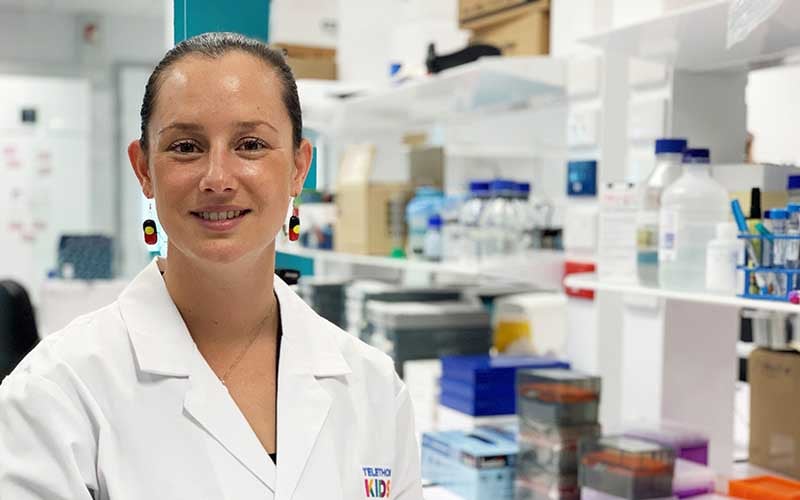
One of The Kids Research Institute Australia’s leading young researchers will travel to the world’s premier conference on childhood brain cancer.
We aimed to describe the characteristics of Western Australian children aged less than 10 years diagnosed with type 2 diabetes between June 2000 and June 2017
We aim to identify health risk behaviours among adolescent refugees resettling in WA and assess the feasibility of using a standardised questionnaire.
Neonates, particularly those born prematurely, are exquisitely vulnerable to life-threatening infections. This increased susceptibility to infection...

While individual diseases are rare, as a group, rare diseases are common. Recent estimates suggest that between 3% and 6% of the world’s population are affected by rare disease.
Discover the origins of The Kids Research Institute Australia, from when it opened in the 90's led by its patron Fiona Stanley up until now, led by Jonathan Carapetis.

Chitra is a Research Officer within the Global Disease Modelling team at The Kids Research Institute Australia.