

improving skin health in remote- and urban-living Aboriginal children. Her research has driven breakthrough
wellbeing and mental health challenges facing Aboriginal and Torres Strait Islander LGBTQA+ youth are ... their spirit and ancestors, to Culture, and…
physical illness such as cardiovascular and respiratory diseases and cancer (80% of deaths). The higher ... causes of death including cancer, heart d…

Her research focus has expanded to include respiratory and other diseases. In 2020-2021 she was a member ... complementary topics to my own work, inc…
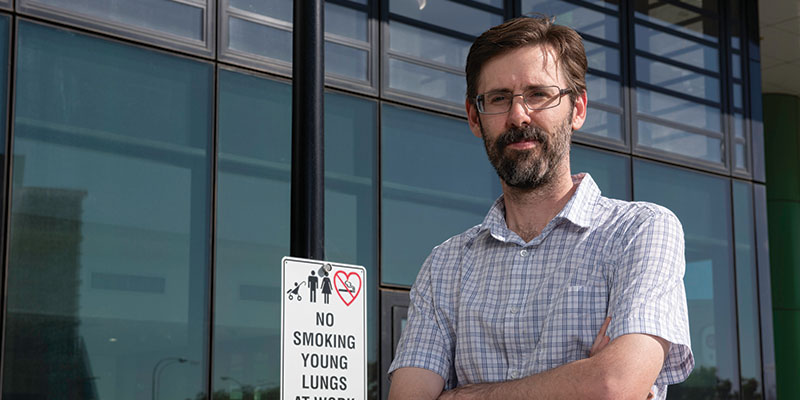
e Professor Alexander Larcombe, Head of Respiratory and Environmental Health at Telethon Kids ... recently invited to write for The Lancet Respirator…
order): Aboriginal health and wellbeing; Alcohol ... Aboriginal health and wellbeing Aboriginal and Torres Strait Islander families and communities:…
Allergic inflammation is commonly observed in a number of conditions that are associated with atopy including asthma, eczema and rhinitis.
Type 2 inflammation is present in patients during virus-induced asthma exacerbations, to the same degree as non-viral exacerbations
Science and ApplicationVisits to Paediatric Respiratory and Environmental Medicine at the Blizard Institute
administration system in WA to identify the frequency of respiratory events in each patient. We are performing multi-parameter