
Search
Showing results for "Childhood interstitial lung disease "
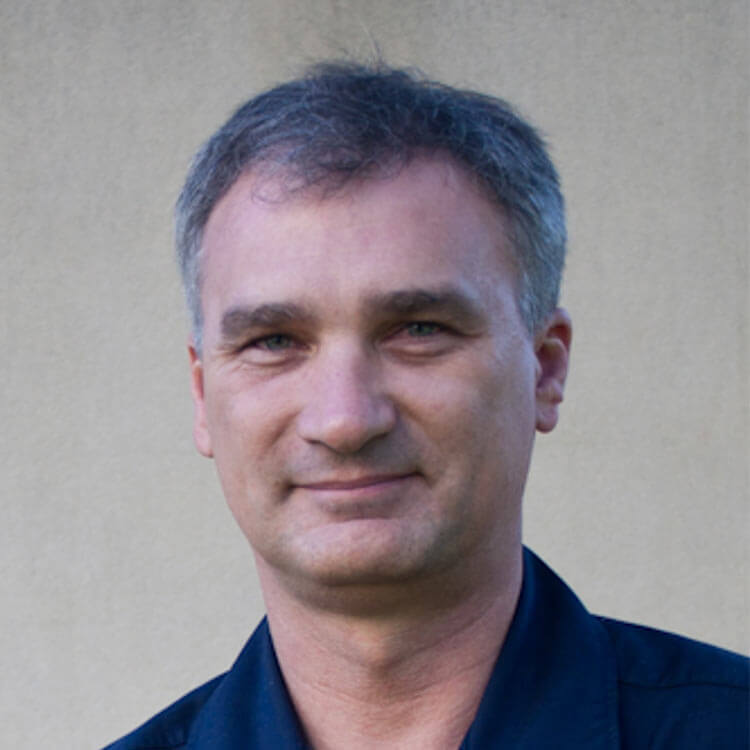
Dr Howlett completed her PhD studies in 2009 at the MCRI in Melbourne, where she worked on gastric cancer cell signaling...a

The Children’s Diabetes Centre has had a few inquiries about the new BANDIT trial, based in Melbourne, and whether we are involved. Currently, the trial is only open to people who live in Victoria.The Centre is involved in other Australian studies aiming to better understand diabetes.
Coronavirus disease 2019 (COVID-19) is caused by severe acute respiratory syndrome coronavirus 2 (SARS-CoV-2) and has many similarities to severe acute respiratory syndrome (SARS) and Middle East respiratory syndrome (MERS). While reported morbidity and mortality from COVID-19 are lower than from SARS and MERS, many health care workers have been infected (up to 15% of health care workers in Victoria).
Antioxidant intakes in pregnancy may influence fetal immune programming and the risk of allergic disease.

The generous support of West Australians through Channel 7’s Telethon Trust will help support crucial child health research at The Kids Research Institute Australia in 2022.
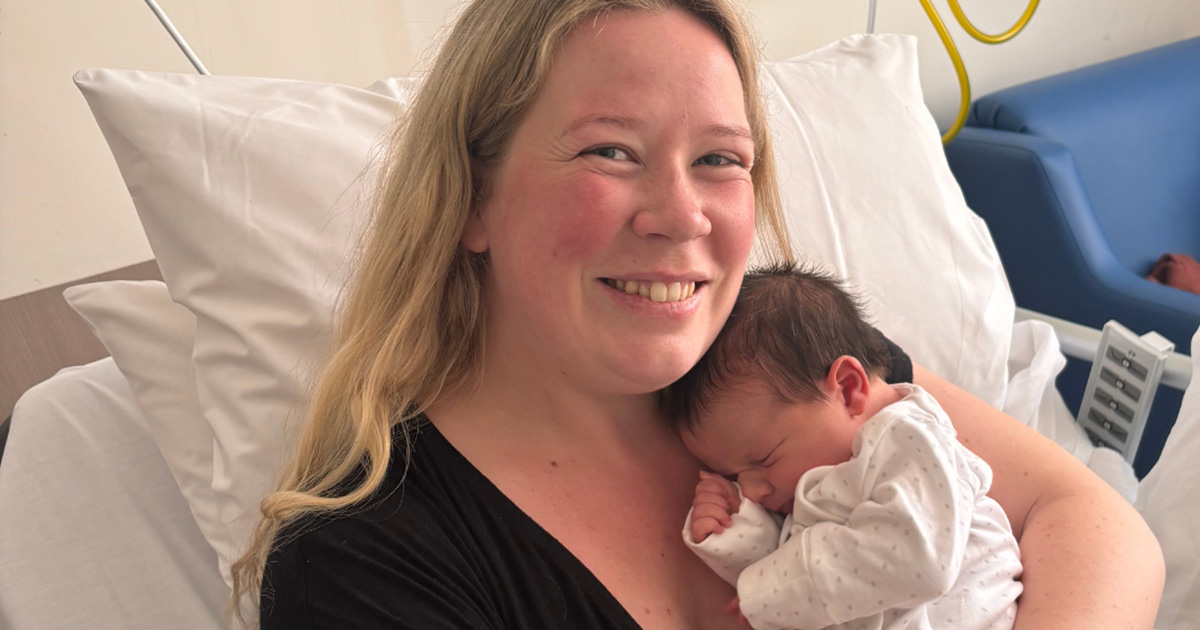
Australia’s biggest longitudinal study following the health and wellbeing of children from their conception through to childhood, has welcomed its 10,000th and final participant.
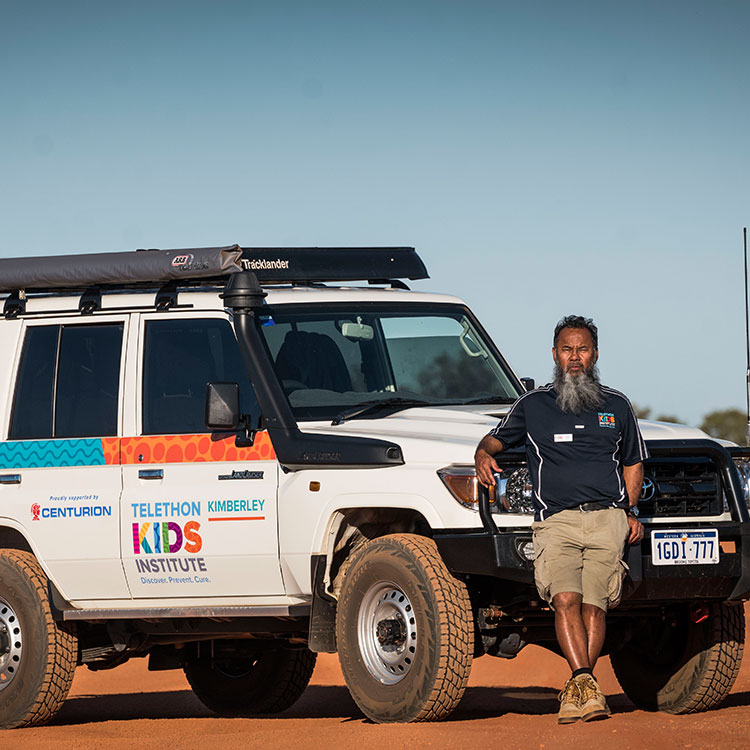
The Kids Kimberley researchers will now be able to travel to some of the most remote and hard to reach areas of the region, thanks to Centurion.
Exome sequencing has enabled molecular diagnoses for rare disease patients but often with initial diagnostic rates of ~25-30%. Here we develop a robust computational pipeline to rank variants for reassessment of unsolved rare disease patients. A comprehensive web-based patient report is generated in which all deleterious variants can be filtered by gene, variant characteristics, OMIM disease and Phenolyzer scores, and all are annotated with an ACMG classification and links to ClinVar.
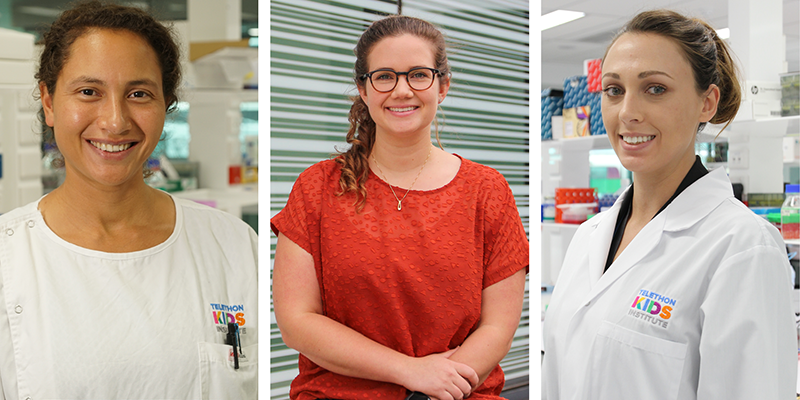
Three outstanding young researchers from The Kids Research Institute Australia have been named Raine Fellows and received valuable Raine Priming Grants to support their child health research.
Pertussis hospitalisation is more common among infants born prematurely, who have significant comorbidities, or are Indigenous, but acellular pertussis (aP) vaccine effectiveness (VE) estimates in these sub-groups are lacking. We measured aP VE by Indigenous status, and policy-relevant categories of prematurity and comorbidity, in a population-based Australian cohort.