
Search
Showing results for "early lung health"
We are excited to introduce ten trailblazing researchers who will be taking to the stage this February to pitch their bold and innovative ideas to our philanthropic community.
Research Assistant in the Child Physical Activity, Health & Development team at The Kids Research Institute Australia
Mental health problems are the most prevalent and expensive chronic condition affecting children.
The Western Australian Epithelial Research Program (WAERP) biobank is undertaking a number of research projects intended to improve the understanding and preclinical assessment of therapeutics for respiratory conditions.
The Kids Research Institute Australia and Minderoo Foundation established CoLab in 2017 to provide a ‘nest’ to bring together evidence with policy and practice to grow six major projects.
The objective was to determine the association between maternal serum 25(OH)-vitamin D concentrations and behavioural, emotional and language outcomes...
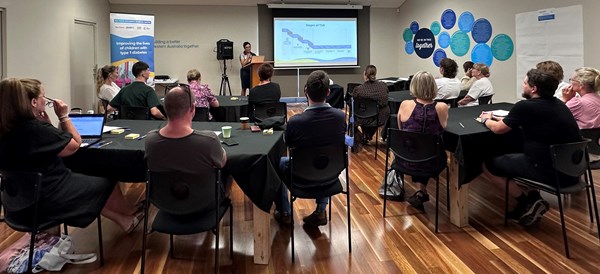
Involving those who live with T1D or care for a child who lives with T1D is a primary focus for the Centre. This lived experience integral to making sure the research our Centre does is relevant and outcomes create meaningful impact for how they manage the condition on a day-to-day basis.

Hypoxia and sterile inflammation in cystic fibrosis airways mechanisms and potential therapies ABSTRACT Cystic fibrosis is one of the most common
The Respiratory Physiology Platform at the Wal-yan Respiratory Research Centre offers access to specialist equipment housed within the outpatient research department at Perth Children’s Hospital, dedicated for research use.
Senior Research Officer