
Search
Showing results for "1"
Treatment success for scabies co-infection was lower than for impetigo overall, with a higher success seen in the co-trimoxazole group than benzylpenicillin
Hayley Karen Christian Lombardi BSc (1st Class Hons), PhD (Distinction) W.Aust. BHSc (Hons), PhD Head, Child Physical Activity, Health and
Valerie Verhasselt MD, PhD Head, Immunology and Breastfeeding 0402997617 Valerie.verhasselt@thekids.org.au Head, Immunology and Breastfeeding @
Trans and gender diverse young people are at very high risk for poor mental health, self-harming, and suicide attempts.
Information from the Healthy Pregnancy & Me brochure for pregnant women on exercising safely and healthily during their pregnancy.
CoLab has released the first in a series of policy papers on early childhood in Western Australia.

Trans Pathways is the largest study ever in Australia of gender diverse young people and their mental health and care pathways.

Western Australia has been highly successful at containing community spread of COVID-19 to date.
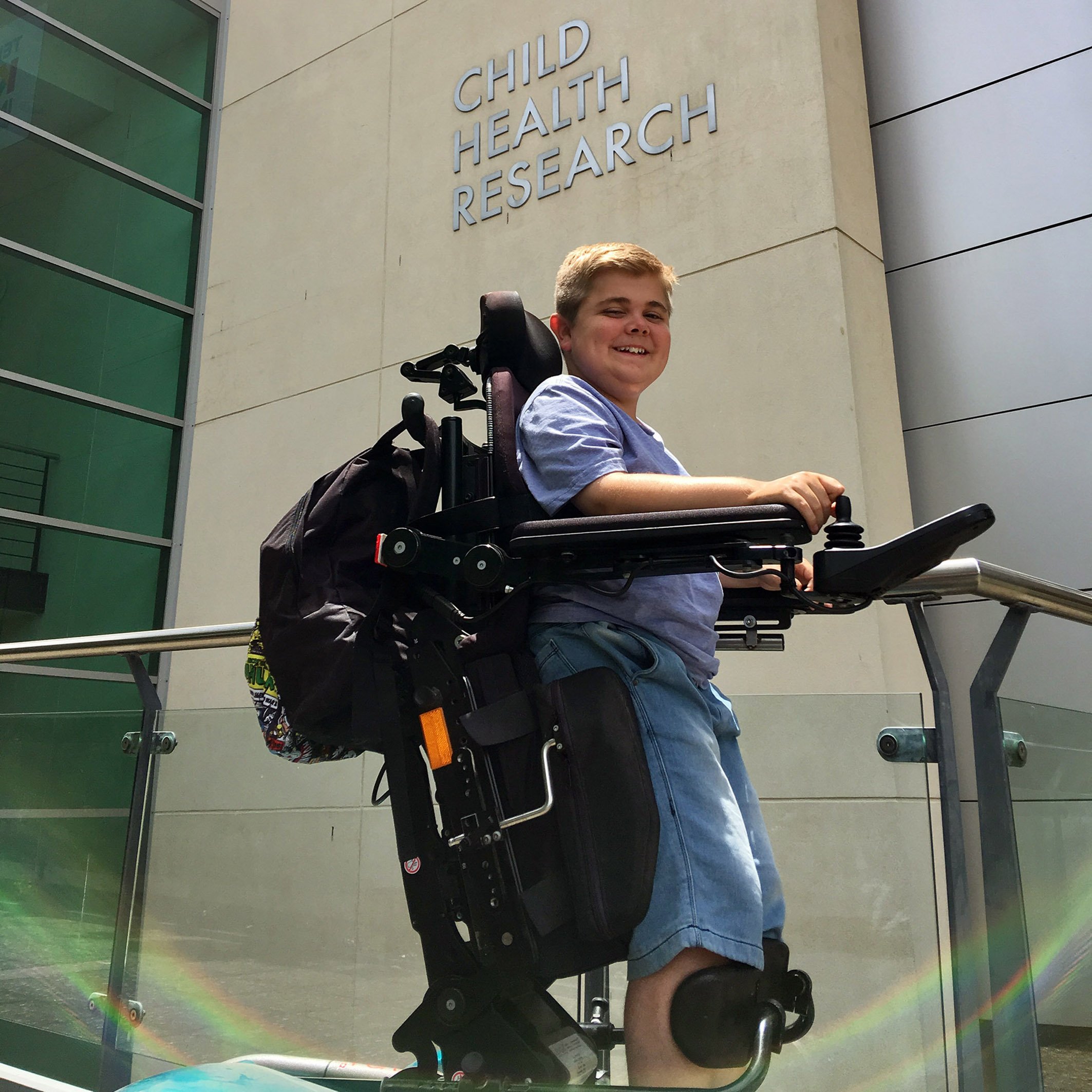
The Kids researchers are investigating the physical and psychological impacts of powered standing wheelchairs for boys suffering from Duchenne
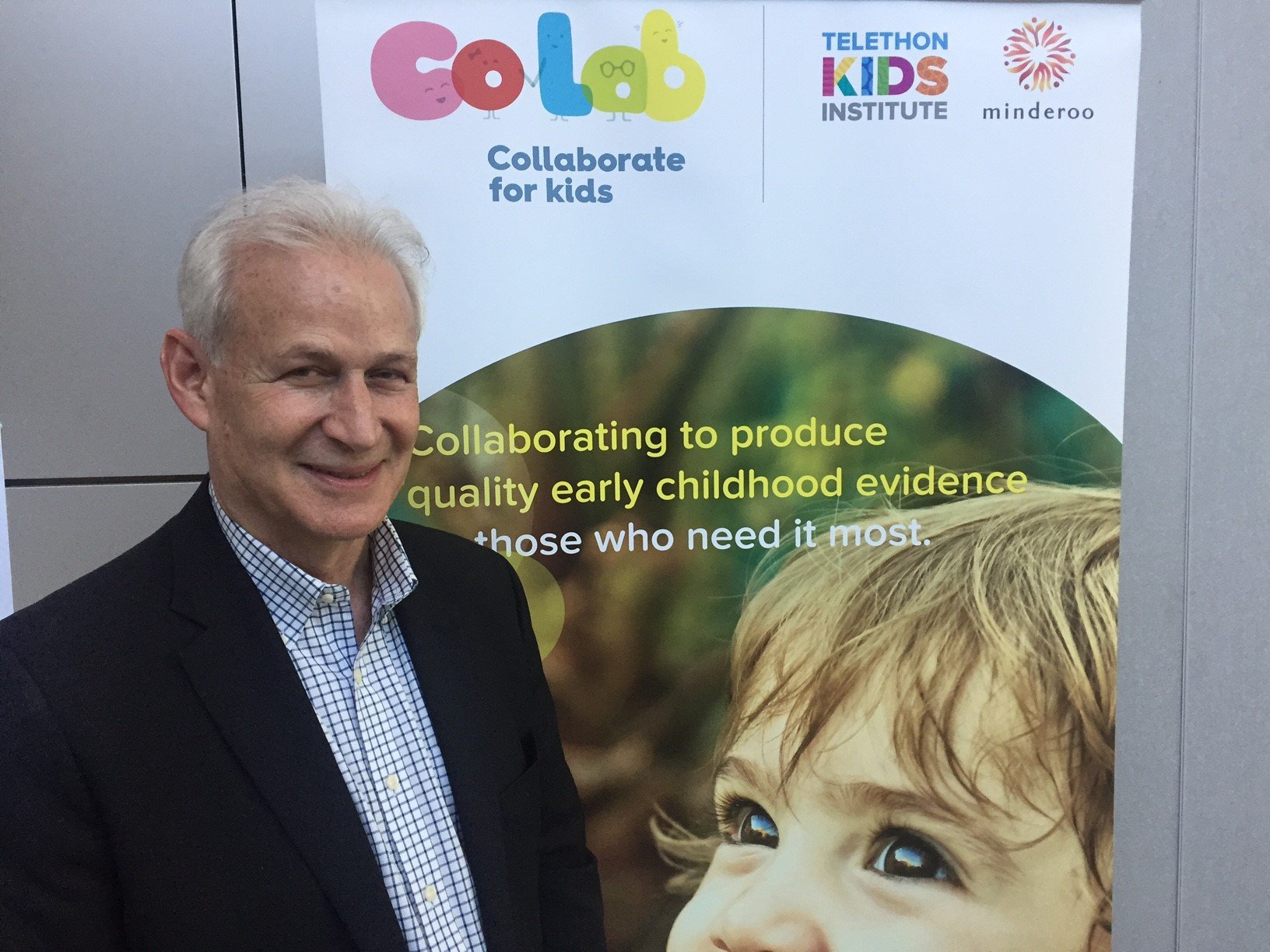
Dr Jack Shonkoff, from Harvard University is visiting Perth this week as a guest of CoLab, Goodstart Early Learning and Child Australia.