
Search
Showing results for "Childhood interstitial lung disease "

Chitra is a Research Officer within the Global Disease Modelling team at The Kids Research Institute Australia.

Dr Howlett completed her PhD studies in 2009 at the MCRI in Melbourne, where she worked on gastric cancer cell signaling...a

The Children’s Diabetes Centre has had a few inquiries about the new BANDIT trial, based in Melbourne, and whether we are involved. Currently, the trial is only open to people who live in Victoria.The Centre is involved in other Australian studies aiming to better understand diabetes.
One way the Wal-yan Respiratory Research Centre provides the opportunity for consumers and community members to contribute to our research is through participation in one of our eight community reference groups.
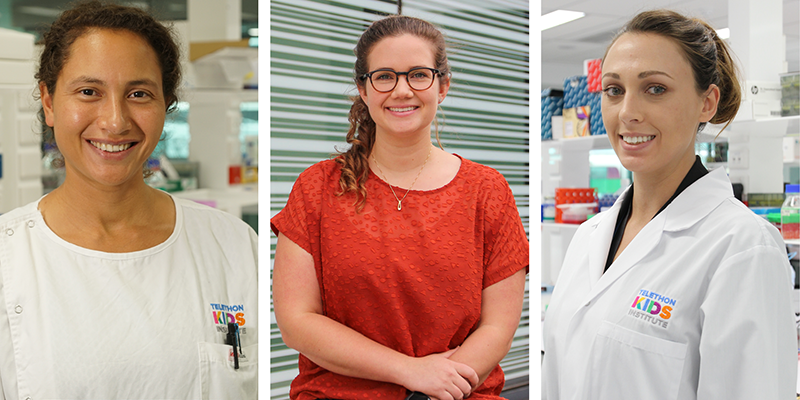
Three outstanding young researchers from The Kids Research Institute Australia have been named Raine Fellows and received valuable Raine Priming Grants to support their child health research.

Australia’s biggest longitudinal study following the health and wellbeing of children from their conception through to childhood, has welcomed its 10,000th and final participant.
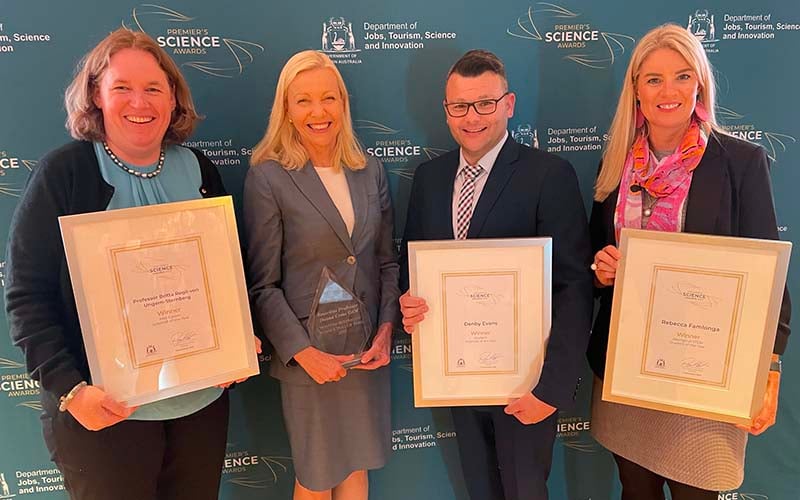
Three outstanding researchers have won 2023 Premier’s Science Awards, with another inducted into the prestigious WA Science Hall of Fame.
Pneumonia is a leading cause of childhood mortality with Streptococcus pneumoniae a major contributor. Pneumococcal conjugate vaccines (PCVs) have been introduced into immunisation programs in many low- to middle-income countries yet there is a paucity of data evaluating the effectiveness in these settings. We assess the effectiveness of 13-valent PCV against hypoxic pneumonia, hospitalisation and other clinical endpoints in children <5 years living in Eastern Highlands Province, Papua New Guinea).

The Kids Research Institute Australia researchers have been awarded more than $10 million in research funding from the National Health and Medical Research Council (NHMRC).
Asbestos exposure is associated with many adverse health conditions including malignant mesothelioma and lung cancer as well as production of autoantibodies. Autoantibodies may serve as biomarkers for asbestos exposure in patients with cancer, and autoimmune dysfunction has been linked to increased rates of various cancers. The aim of this study was to examine the hypothesis that autoantibodies are more frequent in asbestos-exposed individuals with either lung cancer or mesothelioma than those without these conditions.