
Search
Showing results for "mental health aboriginal"
Clinicians who counsel prospective ART patients about birth defect risk should provide information about the overall risk of having a child with a birth defect
Peter Shelley Jacoby Gorman BA (Hons) MSc BSc (Hons) PhD Biostatistician Honorary Research Associate Peter.Jacoby@thekids.org.au shelley.gorman@
The C3 Study is an exploration into best practice around co-research with youth consumers being led by the Adolescent Health and Wellbeing Team at The Kids Research Institute Australia, who are based in Adelaide.
The skin is the largest and most visible organ of the human body. As such, skin infections can have a significant impact on overall health, social wellbeing and self-image.
About 2 per cent of children are estimated to have an intellectual disability. The cause of the condition is unknown in at least 50 per cent of cases.
This article explores how relational approaches to policymaking across multiple levels and sectors of society might enable transformative climate justice. It draws on a unique case study from the state of Western Australia, where climate justice is thwarted by the coloniality of climate politics and the hegemony of the fossil fuel industry.
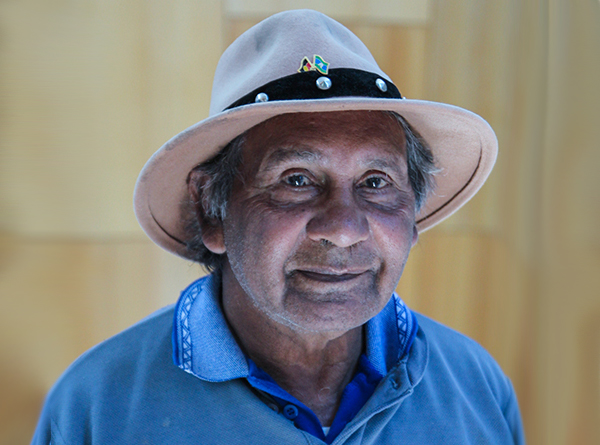
It is with great sadness that The Kids Research Institute Australia marks the passing of Reverend Garlett AM.
The current study analyzed the relationships among maternal empathy, parenting that encourages the child to take the perspective of others andcognitive empathy.
The present study investigated the relations among maternal attachment status, mother-child emotion talk, child emotion understanding, and conduct problems...
Given the severe risks to the fetus from heavy prenatal alcohol exposure, assessment and recording of alcohol use should be routinely undertaken in maternity...