
Search
Showing results for "Childhood interstitial lung disease "
Rates of several vaccine preventable diseases, and associated hospitalisation, are higher among Aboriginal and/or Torres Strait Islander children than non-Indigenous children. Western Australia has among the lowest childhood vaccine coverage in Australia, particularly among Aboriginal and/or Torres Strait Islander children. Delayed vaccination is also more common in this population. This project aimed to understand the barriers and facilitators to vaccine uptake and timeliness among Aboriginal and/or Torres Strait Islander children aged under five years in Boorloo (Perth).
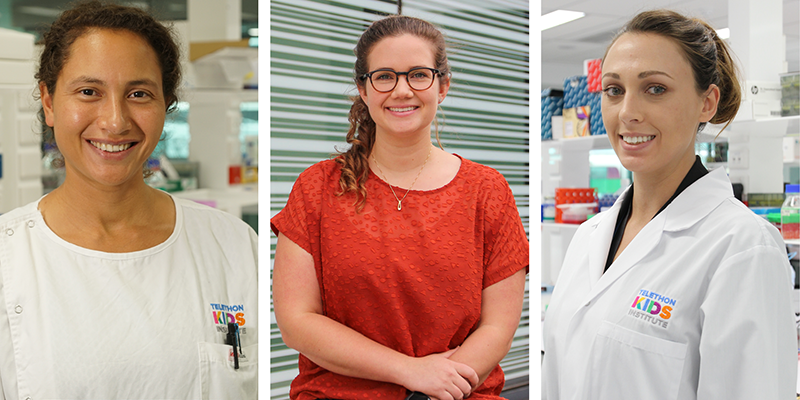
Three outstanding young researchers from The Kids Research Institute Australia have been named Raine Fellows and received valuable Raine Priming Grants to support their child health research.
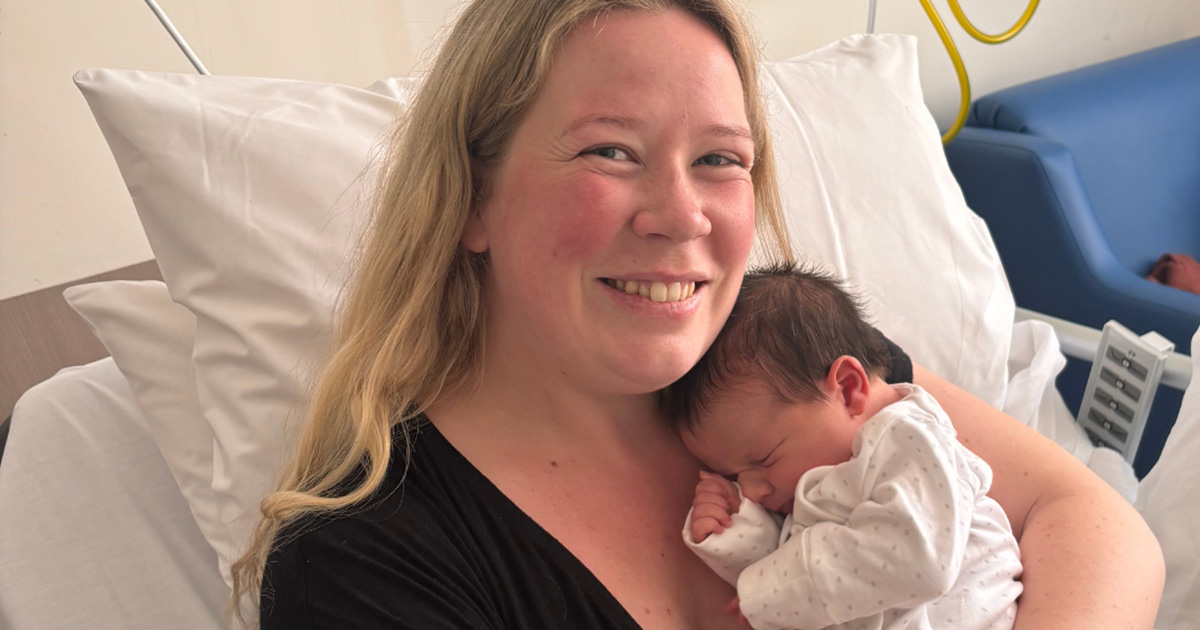
Australia’s biggest longitudinal study following the health and wellbeing of children from their conception through to childhood, has welcomed its 10,000th and final participant.
We conducted a comprehensive, systematic review of the global childhood population prevalence of impetigo and the broader condition pyoderma.
Strep A causes a huge global burden of disease, from sore throats to rheumatic heart disease. Our team is developing a computer simulation model, OpenStrepA, to help researchers tackle this disease.
This article documents the establishment of community laundries in rural/remote Aboriginal and Torres Strait Islander communities between 2000-2024, with the aim to support synergistic planning, implementation and evaluation.
Chris Deborah Peter Natasha Valerie Brennan-Jones Lehmann Richmond Morrison Swift PhD AO, MBBS, MSc MBBS MRCP(UK) FRACP Head, Ear and Hearing Health
In this project, our team provides malaria vaccine impact predictions to inform vaccine investment strategies for Gavi, the Vaccine Alliance, and their partners.
Asbestos exposure is associated with many adverse health conditions including malignant mesothelioma and lung cancer as well as production of autoantibodies. Autoantibodies may serve as biomarkers for asbestos exposure in patients with cancer, and autoimmune dysfunction has been linked to increased rates of various cancers. The aim of this study was to examine the hypothesis that autoantibodies are more frequent in asbestos-exposed individuals with either lung cancer or mesothelioma than those without these conditions.
Children's development is dependent on a range of factors influencing their life course outcomes. Protective and challenging social and cultural determinants impact how Indigenous families support their children's developmental foundations. However, there is a lack of international evidence investigating Indigenous child development interventions.