
Search
Showing results for "lung disease preterm"
The impact of the 23vPPV booster on IPD incidence among Australian Indigenous children is unclear from regional reports of small case numbers.
Background: High incidence and serotype diversity of invasive pneumococcal disease (IPD) in Indigenous children in remote Australia led to rapid introduction of
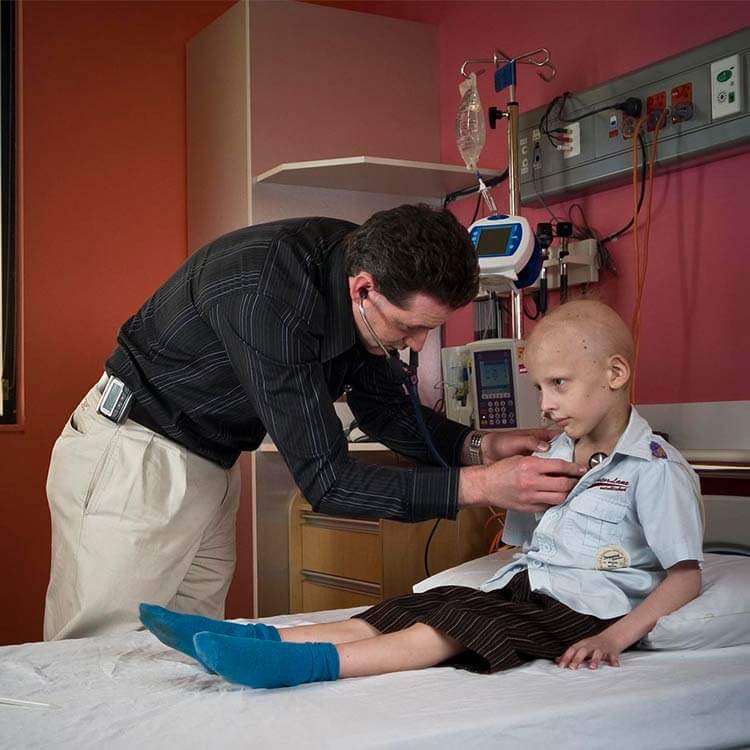
It is the kids he treats in his role as a paediatric oncologist that motivate Dr Nick Gottardo in his work as a The Kids Research Institute Australia cancer researcher.
Tom Snelling BMBS DTMH GDipClinEpid PhD FRACP Head, Infectious Disease Implementation Research 08 6319 1817 tom.snelling@thekids.org.au Head,

After being diagnosed with rheumatic heart disease at ten, Elizabeth had to leave country and her family for a large chunk of her childhood so she could be treated in Adelaide.
The human gut microbiome has increasingly been associated with autism spectrum disorder (ASD), which is a neurological developmental disorder, characterized by impairments to social interaction.
Previous studies have reported an association between low birthweight and elevated blood pressure (BP) in adulthood, but few have examined the relationship between foetal growth and adult BP.
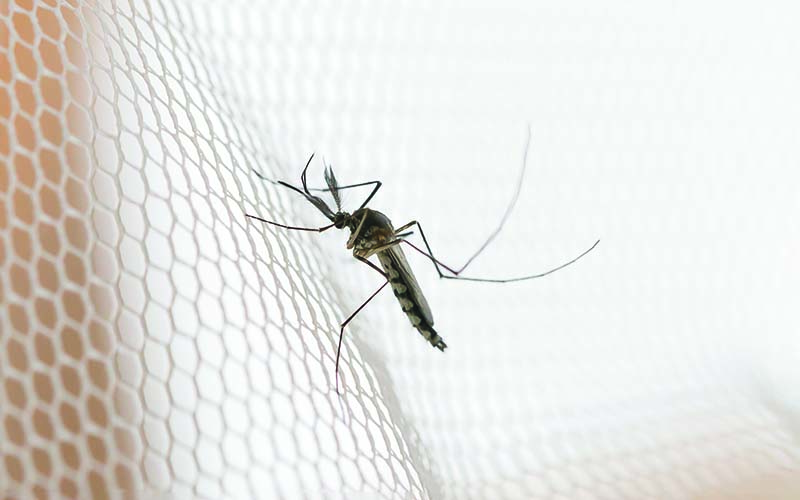
Global efforts led by The Kids Research Institute Australia’s Child Health Analytics program will see nations impacted by high rates of malaria empowered to develop their own controls and solutions.
Current malaria elimination targets must withstand a colossal challenge-resistance to the current gold standard antimalarial drug, namely artemisinin derivatives. If artemisinin resistance significantly expands to Africa or India, cases and malaria-related deaths are set to increase substantially.
Cutaneous squamous cell carcinoma is a significant cause of morbidity for immunosuppressed patients such as organ transplant recipients; however, histological parameters which predict the likelihood of tumor progression are typically based on general population studies in which immunosuppressed patients represent only a small fraction of cases.