
Search
Research
Exploring the evidence on housing and health among Indigenous peoples in high-income countries: A scoping review protocolThe objective of this scoping review is to understand the nature of the published evidence on housing suitability, affordability, insecurity, and homelessness in relation to physical and mental health, domestic violence, and health service use among Indigenous people in high-income countries.
Research
The Use of Alcohol Pharmacotherapies and Prescription Contraceptives among Females of Reproductive Age in AustraliaThere is no clear clinical guidance on the use of alcohol pharmacotherapies in pregnancy due to insufficient safety information. Contraception should therefore be considered for reproductive-aged females receiving alcohol pharmacotherapies not wishing to become pregnant. This study evaluated the concurrent use of alcohol pharmacotherapies with prescription contraception and other medications in Australian females of reproductive age compared to those not receiving an alcohol pharmacotherapy.
Research
Effect of methylphenidate exposure on glutamate and glutamate-related metabolites in patients with ADHD: a systematic reviewDysfunctional glutamatergic neurotransmission has been implicated in the underlying pathogenesis of Attention Deficit Hyperactivity Disorder (ADHD). The psychostimulant methylphenidate (MPH), which is used as a first line treatment for ADHD, has been shown to have both acute and chronic effects on prefrontal cortex glutamatergic afferents. Animal studies have also identified an effect of MPH and glutamate in prefrontal areas. Despite this there are ongoing questions as to the extent and direction of this effect, as well as its impact on other neurobiological processes.
Research
InfluenzaInfluenza (commonly known as the flu) is caused by a highly contagious virus spread mainly through coughing and sneezing. An annual flu vaccination is the most effective way to prevent flu outbreaks.
Research
BullyingBullying is now regarded as a health problem and not just a disciplinary problem. Increasing evidence shows both traditional bullying (e.g. hitting, teasing) and cyberbullying have lasting effects on young people (both those who bully and those who are bullied), including damage to self-esteem, academic results and mental health.
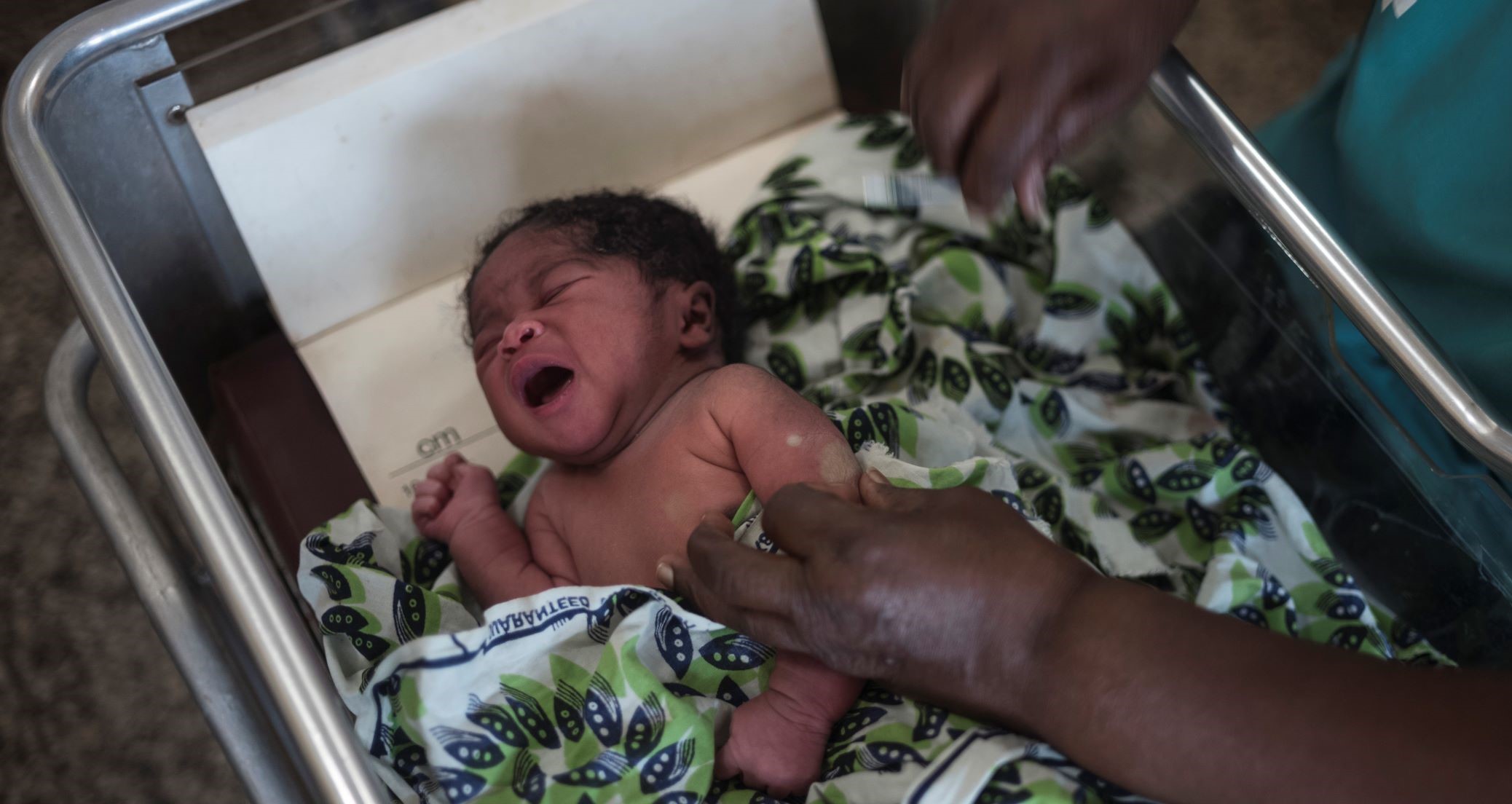
The veteran tuberculosis vaccine BCG has puzzled scientists for decades. Now, The Kids researchers have not only unlocked part of the secret to its success in saving the lives of newborns, but they’re at the forefront of global efforts to test its ability to fight COVID-19.
Kids born with Down syndrome are at high risk of an array of health problems – including issues with sight, hearing, heart defects, bone complications, immune disorders and learning difficulties.
Research
Psychometric evaluation of the Comprehensive Autistic Trait Inventory in autistic and non-autistic adultsMeasures of autistic traits are only useful – for pre-diagnostic screening, exploring individual differences, and gaining personal insight – if they efficiently and accurately assess autism as currently conceptualised while maintaining psychometric validity across different demographic groups. We recruited 1322 autistic and 1279 non-autistic adults who varied in autism status (non-autistic, diagnosed autistic, self-identifying autistic) and gender (cisgender men, cisgender women, gender diverse) to assess the psychometric properties of the Comprehensive Autistic Trait Inventory, a recently developed measure of autistic traits that examines six trait domains using 42 self-report statements.
Research
Realising the potential impact of artificial intelligence for rare diseases – A frameworkRare diseases (RD) are conditions affecting fewer than 1 in 2000 persons, with over 7000 largely genetic RDs affecting 3.5 %-5.9 % of the global population, or approximately 262.9–446.2 million people. The substantial healthcare burden and costs, such as the $1 trillion annual expense in the USA, highlight the urgent need for improved RD management. The International Rare Diseases Research Consortium (IRDiRC) addresses this need through global collaboration, aiming for timely and accurate diagnosis, development of 1000 new therapies, and methodologies to measure impact by 2027.
Research
The human milk microbiome is minimally associated with breastfeeding practicesThe human milk microbiome is dominated by typical oral and skin bacteria, suggesting that bacterial communities from the infant mouth and maternal skin contribute to the development of the human milk microbiome. It is postulated that breastfeeding characteristics, such as breastfeeding frequency and duration, could lead to different levels of exposure to oral and skin bacteria, and subsequently, altered bacterial profiles in human milk.