
Search
Showing results for "mental health aboriginal"
Asha Tom Bowen Snelling BA MBBS DCH FRACP PhD GAICD FAHMS OAM BMBS DTMH GDipClinEpid PhD FRACP Head, Healthy Skin and ARF Prevention Head, Infectious
Although many mothers initiate breastfeeding, supplementation with human-milk substitutes (formula) during the birth hospitalization is common and has been associated with early breastfeeding cessation. Colostrum hand expressed in the last few weeks before birth, known as antenatal colostrum expression (ACE), can be used instead of human-milk substitutes. However, evidence is lacking on the efficacy of ACE on breastfeeding outcomes and in non-diabetic mothers.
On this Research Impact page, we list stories helping demonstrate how we collaborate with other leaders, innovators, communities, and international stakeholders to ensure excellent research results. The better our results, the better the chances of research making a real difference.
Infection by group A Streptococcus (Strep A) results in a diverse range of clinical conditions, including pharyngitis, impetigo, cellulitis, necrotising fasciitis, and rheumatic heart disease. In this article, we outline the recommended strategies for Strep A treatment and prevention and review the literature for economic evaluations of competing treatment and prevention strategies.
Fuelled by the tobacco industry, commercial tobacco use is a major cause of preventable morbidity and mortality among Aboriginal and Torres Strait Islander peoples. Preventing adolescent smoking initiation is critical to reducing uptake. Understanding individual, social, and environmental factors that are protective against smoking can inform prevention strategies.
Asha Rosemary Jeffrey Bowen Wyber Cannon BA MBBS DCH FRACP PhD GAICD FAHMS OAM MBChB MPH FRACGP PhD BSc(Hons) BBus PhD Head, Healthy Skin and ARF
Western Australia’s biggest and only medical research institute dedicated to improving kids’ health and wellbeing, has rebranded to The Kids Research Institute Australia.
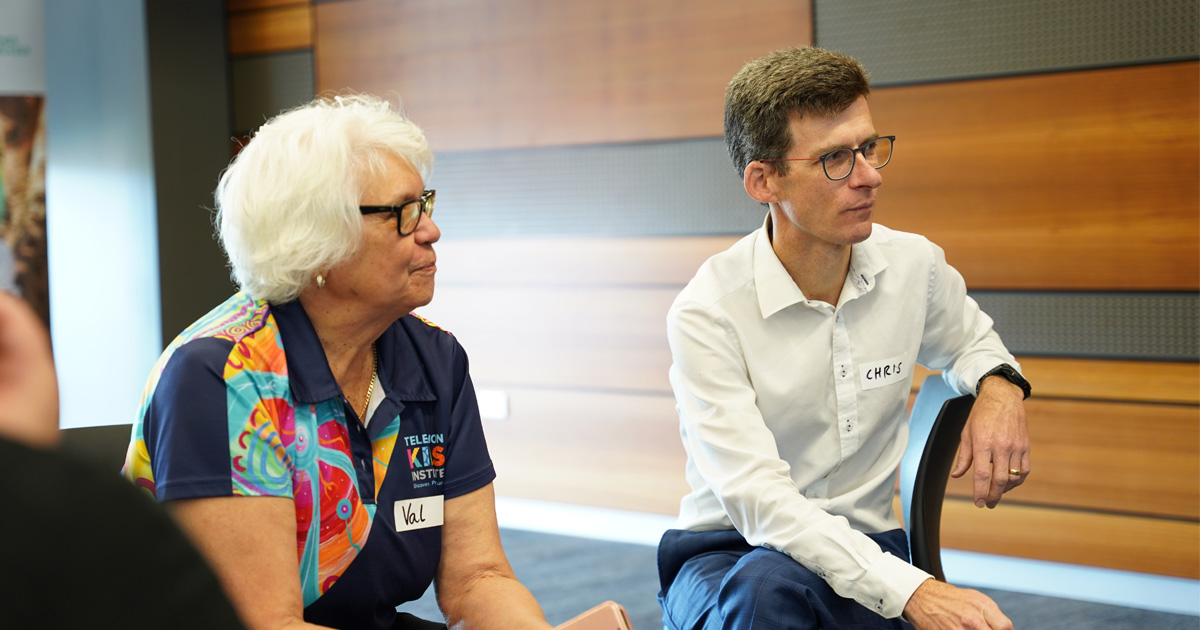
Researchers from the Wesfarmers Centre of Vaccines and Infectious Diseases at The Kids Research Institute Australia have shared their expertise with the community in Cockburn, covering topics ranging from respiratory disease in babies to recurring ear infections in kids.
In this study, we sought to develop—and provide preliminary validity evidence for scores derived from—a new Psychological Flow Scale (PFS). We propose a parsimonious model of three core dimensions of flow, reflecting the findings from a recent scoping review that synthesised flow research across scientific disciplines.
Aboriginal children are faced with significant impediments to their chances of a healthy life even before they are born.