
Search
Showing results for "mental health aboriginal"
Helen Jenny Peter Leonard Downs Jacoby MBChB MPH BApplSci (physio) MSc PhD BA (Hons) MSc Principal Research Fellow Head, Child Disability
CDKL5 Deficiency Disorder (CDD) is a rare genetic disorder with symptoms of epilepsy, developmental impairments, and other comorbidities. Currently, there are no outcome measures for CDD with comprehensive evidence of validation. This study aimed to evaluate the psychometric properties of the Quality of Life Inventory-Disability (QI-Disability) in CDD. Quality of Life Inventory-Disability was administered to 152 parent caregivers registered with the International CDKL5 Disorder Database (ICDD).
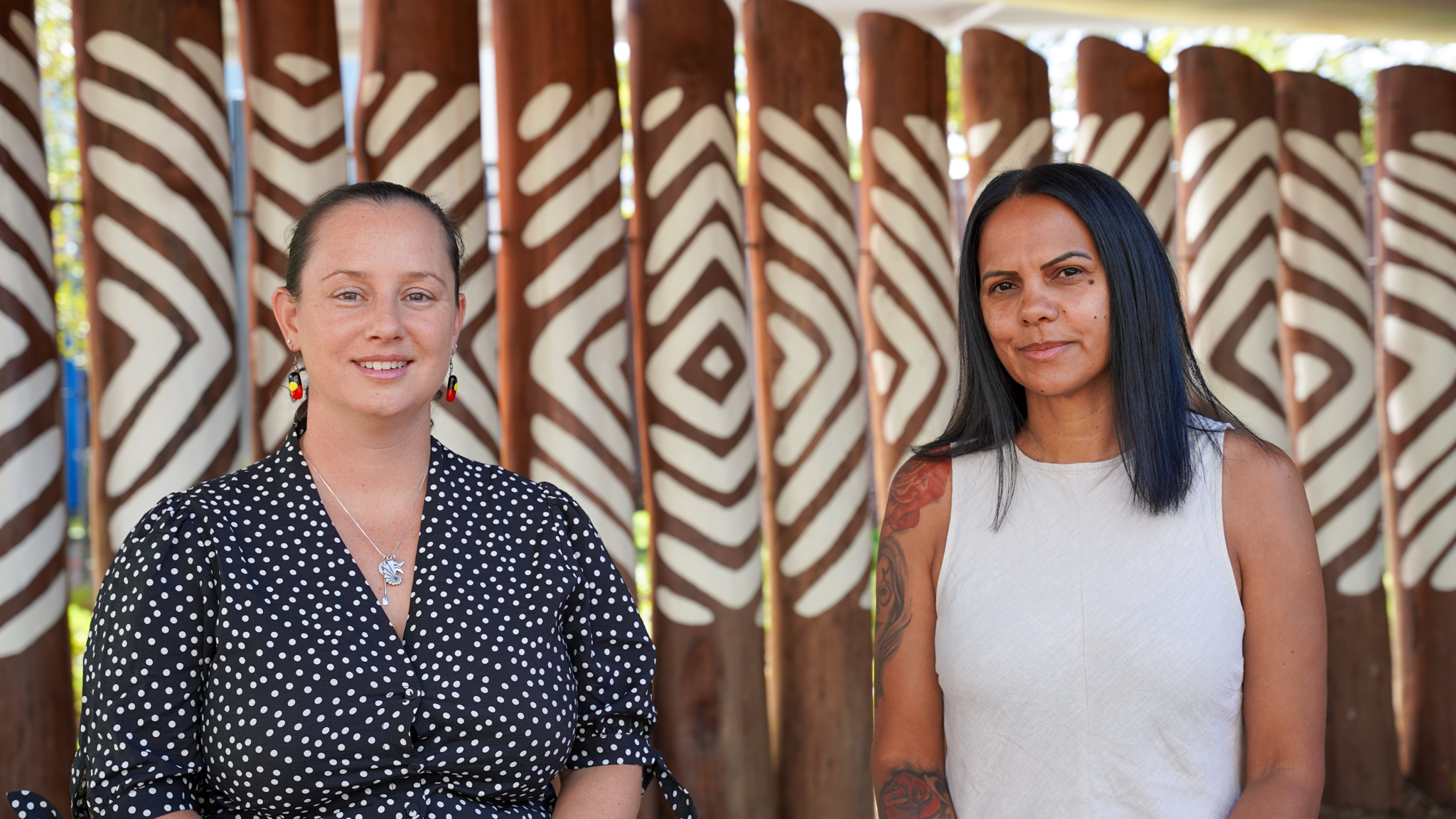
A first of its kind research program at The Kids Research Institute Australia aims to develop new strategies to better treat Aboriginal and Torres Strait Islander children with cancer.

Wendy Mum of two kids, Joshua and Julia. ORIGINS project member and trial participant. I discovered that my son was allergic to nuts. After
Informing urban planning and policy development to grow equitable access to healthy environments for young people and their families.
Although benzylpenicillin (penicillin G) is listed by the World Health Organization as an Essential Medicine, dose optimization is a persistent challenge, especially for long-acting intramuscular formulations. Maintaining sustained antibiotic exposure at target concentrations is crucial for secondary chemoprophylaxis of rheumatic heart disease and treatment of syphilis.
This report is the third in a series examining patterns and trends in mortality among Western Australian infants, children and young people, and covers...

Honorary Research Associate
In this study, we sought to develop—and provide preliminary validity evidence for scores derived from—a new Psychological Flow Scale (PFS). We propose a parsimonious model of three core dimensions of flow, reflecting the findings from a recent scoping review that synthesised flow research across scientific disciplines.
Self-regulation is a modifiable protective factor for lifespan mental and physical health outcomes. Early caregiver-mediated interventions to promote infant and child regulatory outcomes prevent long-term developmental, emotional and behavioural difficulties and improve outcomes such as school readiness, educational achievement and economic success. To harness the population health promise of these programmes, there is a need for more nuanced understanding of the impact of these interventions.