
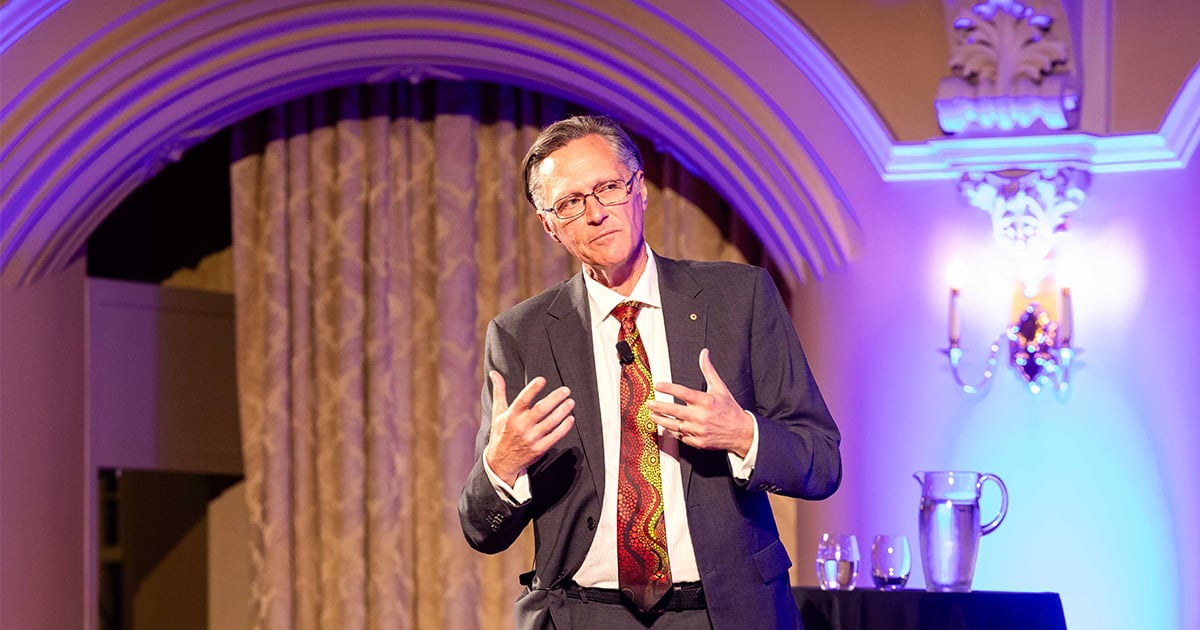
disproportionately affects infants and the elderly, Aboriginal and Torres Strait Islander people and people ... We are fortunate to have the leadersh…
Modern societies are challenged by "wicked problems" - by definition, those that are difficult to define, multi-casual and hard to treat.
Growth and nutrition Infection Aboriginal health "Our
Between 1964 and 1996, the 10-year survival of patients having valve replacement surgery for rheumatic heart disease (RHD) in the Northern Territory,…
researchers, clinicians, policy makers, funders, and Aboriginal and Torres Strait Islander leaders together to
Decoding the Seasons: Explore Aboriginal knowledge and how seasonal changes guide traditional
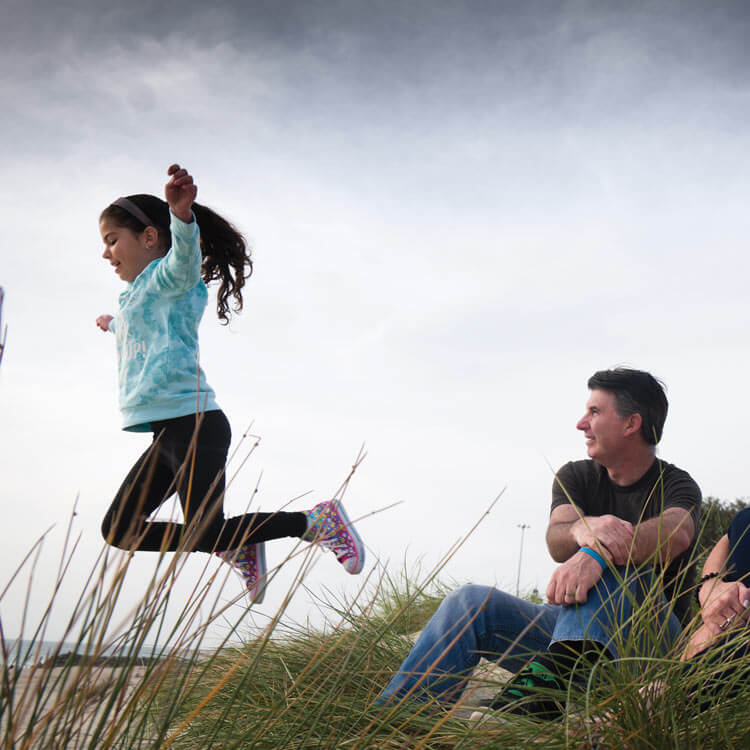
Hope ahead for children with CF, as life expectancy continues to grow thanks to research.
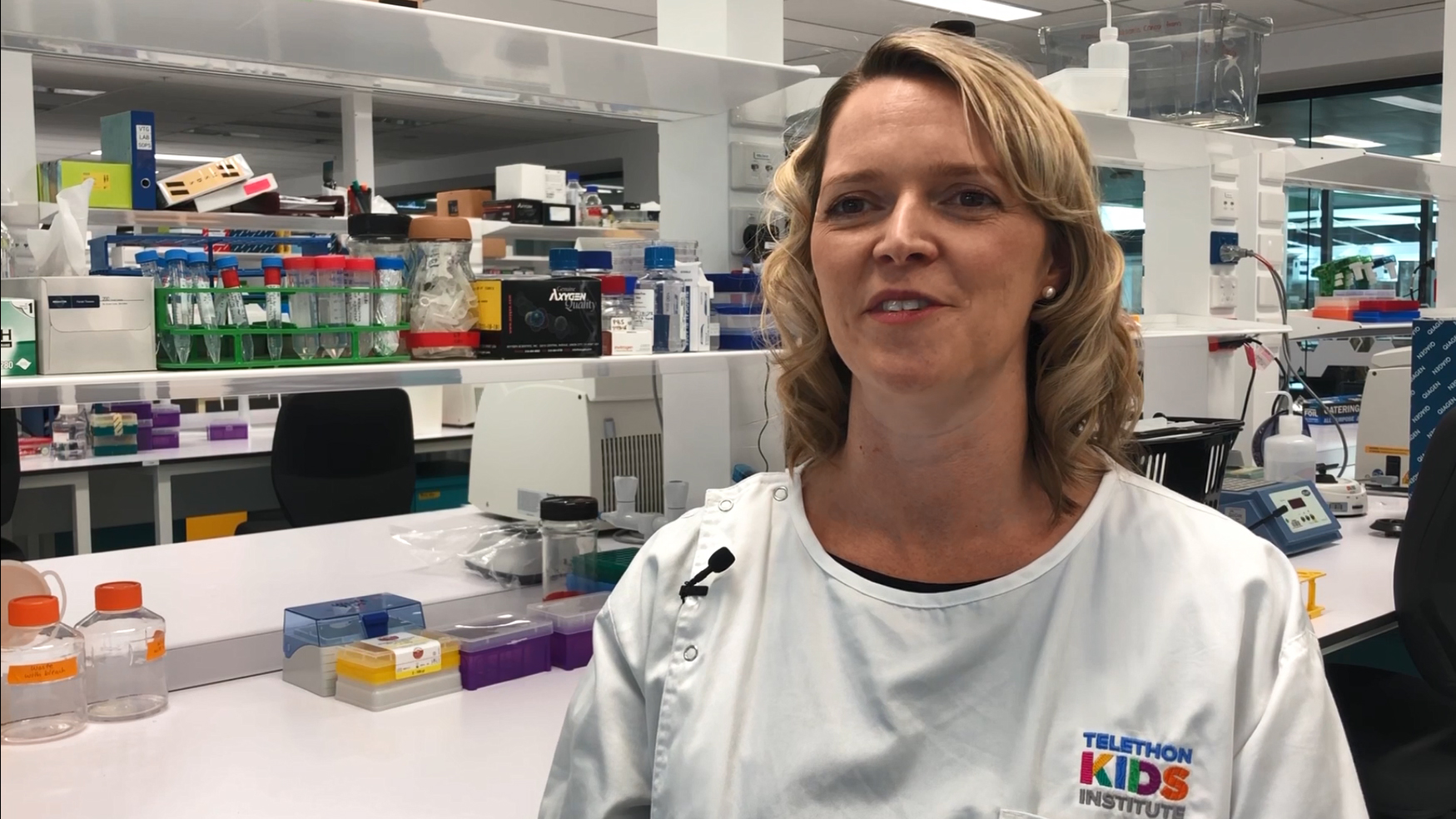
Bacterial Respiratory Infectious Disease Group. “We
Since 1990 mortality for those with severe cerebral palsy in Western Australia has tended to shift from childhood to early adulthood
Professor Graham Hall, Head of Paediatric Respiratory Physiology at The Kids, believes travelling and