
Search
Showing results for "clinical trials"
This paper discusses changes in diagnostic criteria, decreasing age at diagnosis, improved case ascertainment, diagnostic substitution, and social influences.
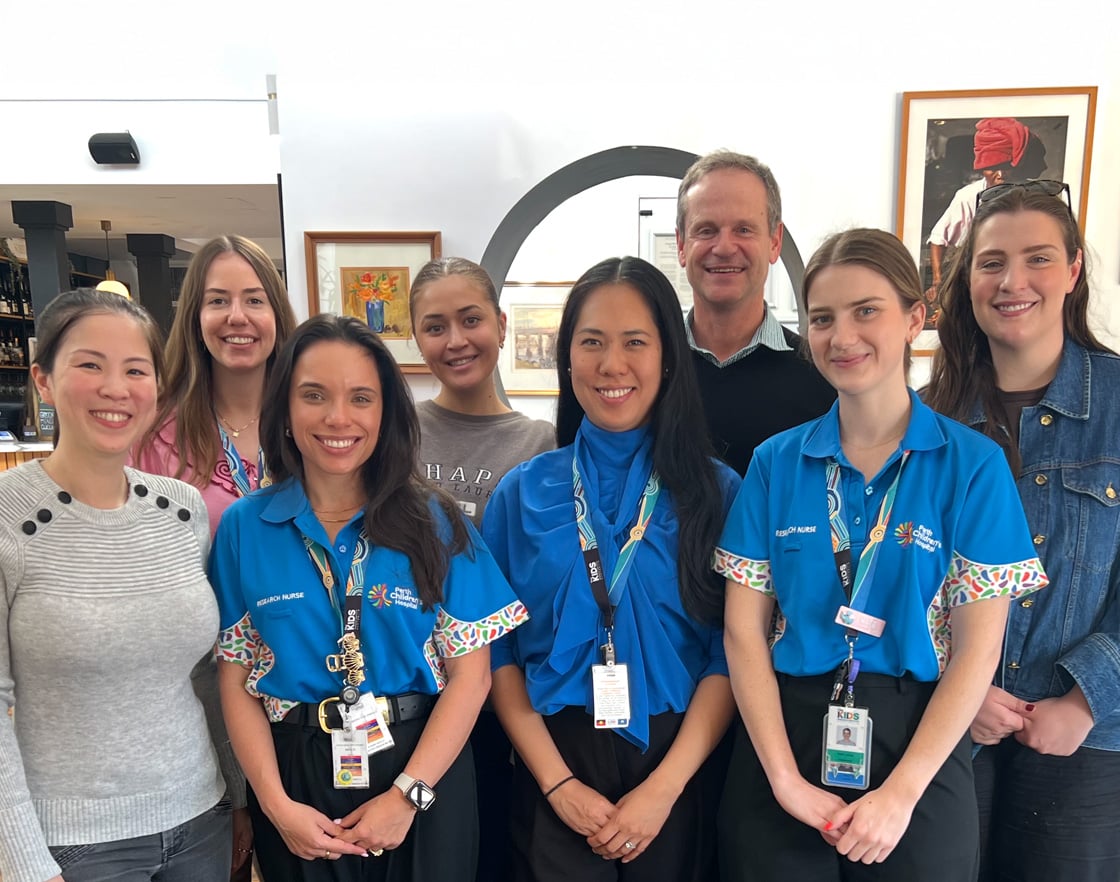
Our team aims to optimise lung health early in life to ensure the best possible health outcomes later in life.
Australia’s Childhood Immunisation Register (ACIR) is one of only a handful of national immunisation registers world-wide.
This trial will determine the effectiveness of the TOBY App as a therapeutic complement to other early interventions children with ASD receive
Delayed or impaired language development is a common developmental concern, yet there is little agreement about the criteria used to identify and classify...
The current data provide support for Bejerot et al.'s androgyny account since males and females with high levels of autistic-like traits generally showed...
Invasive group A streptococcal disease in children includes deep soft tissue infection, bacteraemia, bacteraemic pneumonia, meningitis and osteomyelitis
This study is the first to investigate longitudinal mental health outcomes associated with the use of oxytocin-based medications during labour
Australian energy drink users tend to have heavier alcohol consumption patterns be a cigarette smoker and use illicit drugs relative to non-users.
The present study investigated the relations among fetal testosterone, child socio-emotional engagement and language development...