
Search
Showing results for "mental health aboriginal"
Amy Andrew Helen Jenny Martyn Melissa Videos Finlay-Jones Whitehouse Watch and listen to Andrew Leonard Downs Symons Licari BPsych(Hons), MPsych(
Scabies and impetigo infections are under-recognised and hence under-treated by clinicians
Rheumatic heart disease (RHD) is a large, preventable, global public health burden. In New Zealand (NZ), acute rheumatic fever (ARF) and RHD rates are highest for Māori and Pacific children. This structured review explores the evidence for primary prevention interventions to diagnose and effectively treat group A Streptococcus (GAS) pharyngitis and skin infections to reduce rates of ARF and RHD.
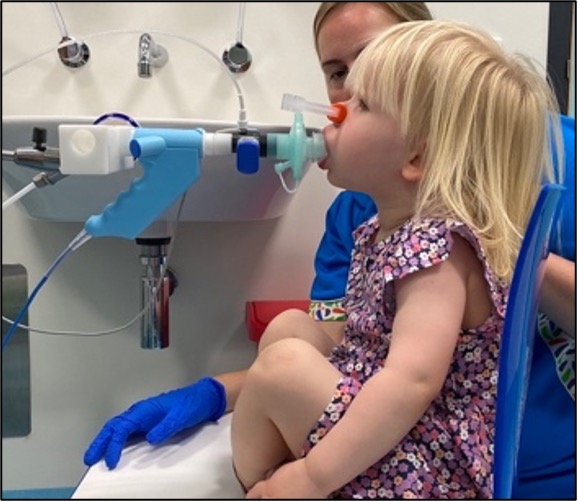
This national, multi-centre study will generate the evidence needed to implement promising preschool lung function tests, multiple breath washout (MBW) and oscillometry (OSC), into clinical practice to enable early detection of lung function impairment in young children.
The Staphylococcus aureus Network Adaptive Platform (SNAP) trial is a multifactorial Bayesian adaptive platform trial that aims to improve the way that S. aureus bloodstream infection, a globally common and severe infectious disease, is treated. In a world first, the SNAP trial will simultaneously investigate the effects of multiple intervention modalities within multiple groups of participants with different forms of S. aureus bloodstream infection.
Adaptive clinical trials have designs that evolve over time because of changes to treatments or changes to the chance that participants will receive these treatments. These changes might introduce confounding that biases crude comparisons of the treatment arms and makes the results from standard reporting methods difficult to interpret for adaptive trials. To deal with this shortcoming, a reporting framework for adaptive trials was developed based on concurrently randomised cohort reporting.
These baseline data are essential to assess the safety and effectiveness of influenza and pertussis vaccinations in pregnant women from the NT
We identified a high proportion of cases without known cause, highlighting the need for clinicians to carefully investigate all possibilities, including emerging infections.
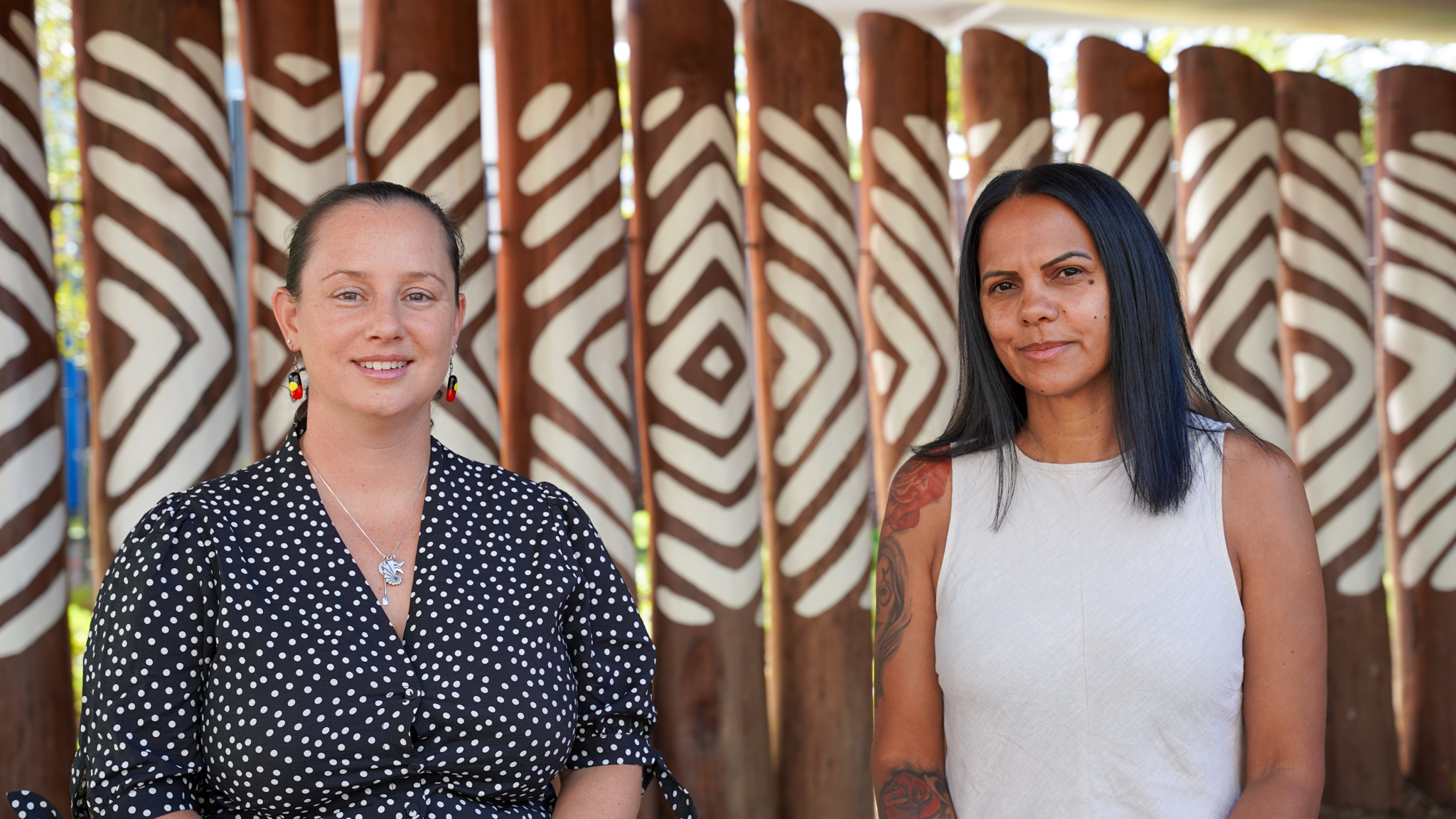
A first of its kind research program at The Kids Research Institute Australia aims to develop new strategies to better treat Aboriginal and Torres Strait Islander children with cancer.

Wendy Mum of two kids, Joshua and Julia. ORIGINS project member and trial participant. I discovered that my son was allergic to nuts. After