
Search
Showing results for "Childhood interstitial lung disease "
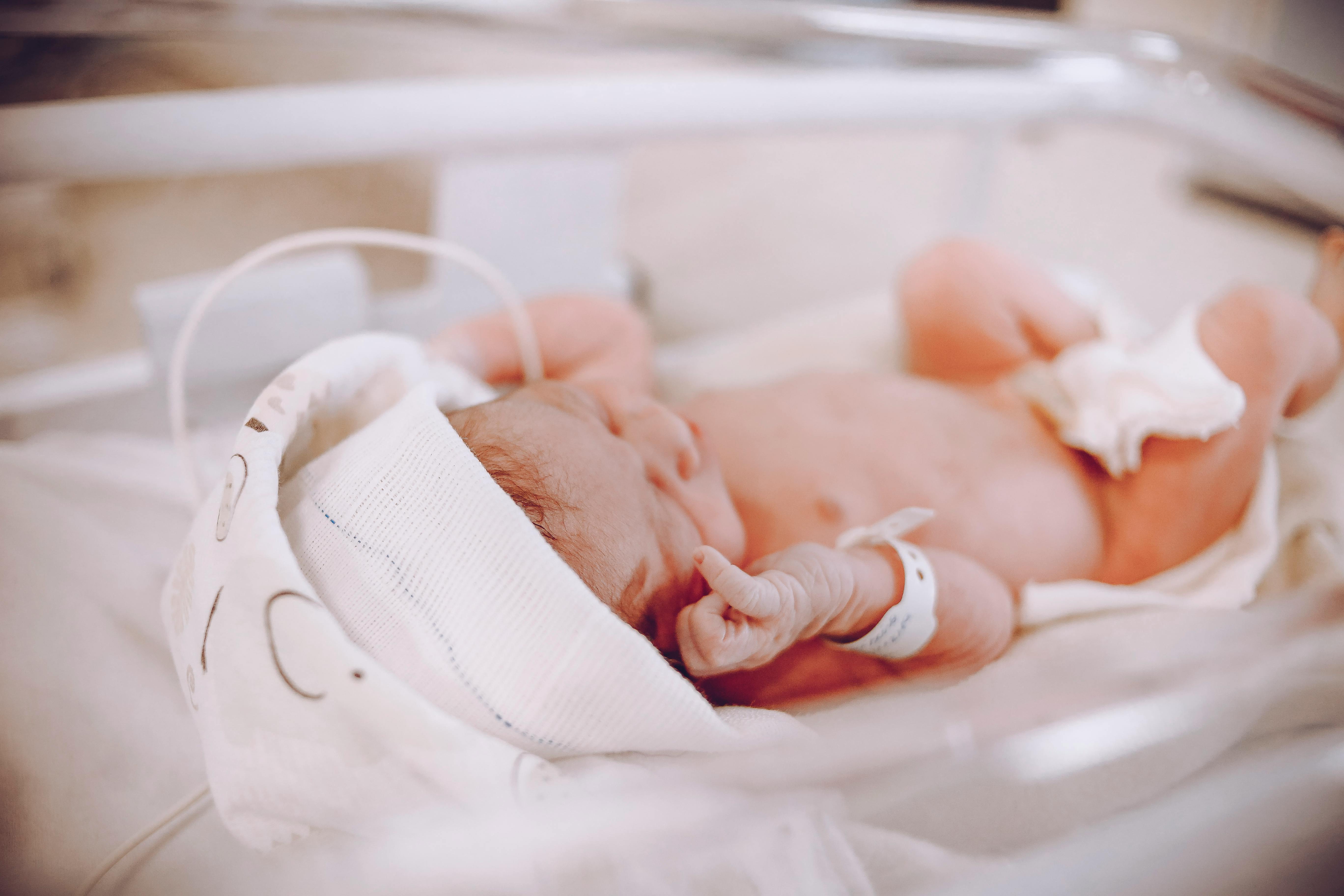
Researchers from the Wal-yan Respiratory Research Centre – a powerhouse partnership between The Kids Research Institute Australia, Perth Children’s Hospital Foundation and Perth Children’s Hospital – have received funding from the Channel 7 Telethon Trust for three new research projects.

Senior Research Fellow
Reductions in pneumonia-coded hospital admissions in unvaccinated children predominated in non-Aboriginal children with low incidence of pneumonia
Pneumonia, most often caused by a respiratory virus, is common in childhood.
For individuals living with rare neurodevelopmental disorders, particularly those who are at the most severe end of the spectrum, standardized outcome measures may lack the sensitivity to capture small but meaningful changes.
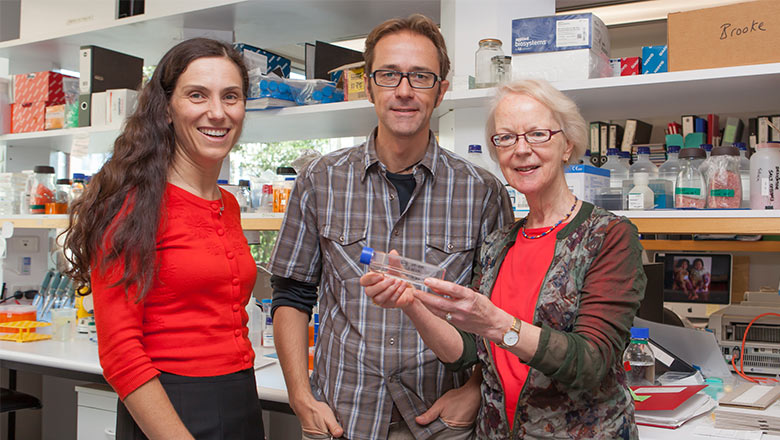
It is now known that the HOX11 gene is permanently activated in the leukaemia cells and it drives the disease.
Jennifer Peter Kent Richmond RN MBBS MRCP(UK) FRACP Clinical Research Manager Head, Vaccine Trials Group Jennifer.Kent@thekids.org.au Clinical
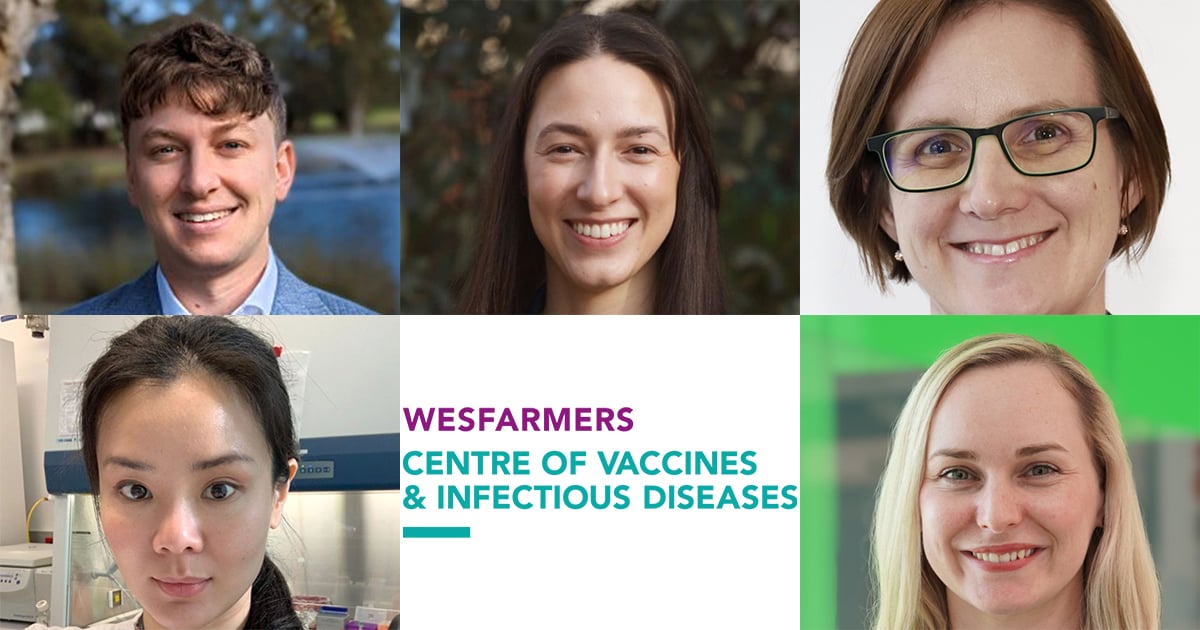
Congratulations to Alec Truswell, Tamara Veselinović, Anastasia Phillips, and Wenna Lee for being awarded Seed Funding through the Wesfarmers Centre of Vaccines & Infectious Diseases, each valued at up to $25,000, and to Sonia McAlister, the recipient of the 2026 Riley Hughes Memorial Award in Pertussis Research.
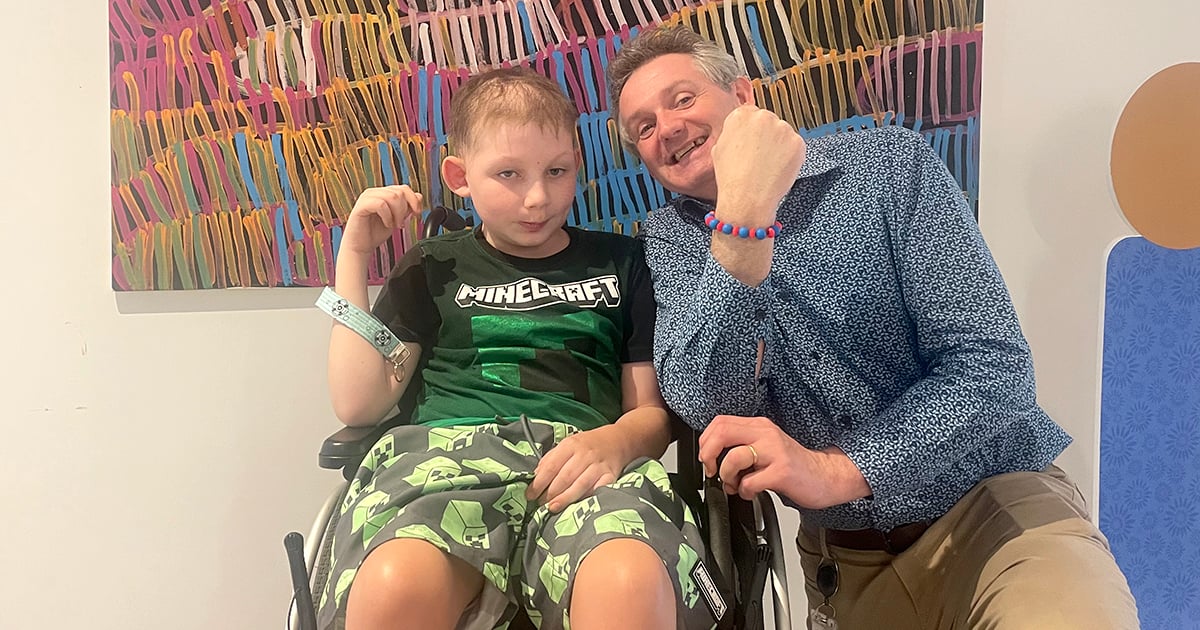
From a handful of handmade bracelets to a fundraising milestone with life-changing impact, Nickolai’s journey is one defined by resilience, generosity, and hope.

The impact of familial and childhood health conditions on health later in life.