
Search
Showing results for "early lung health"
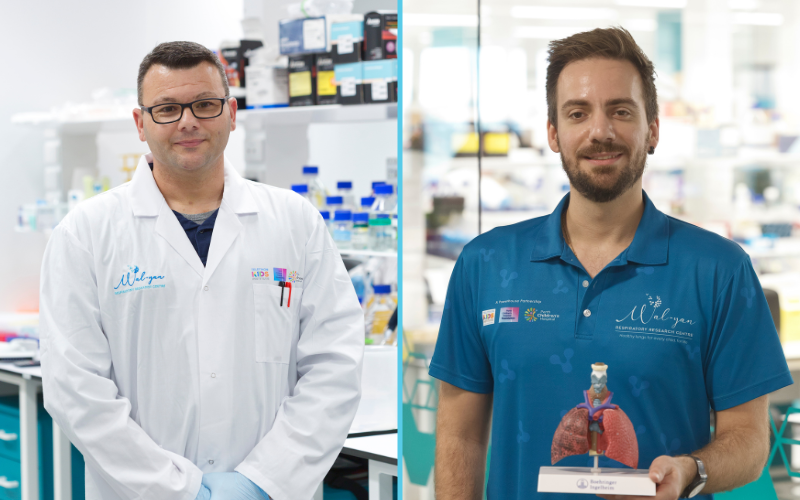
New funding from the Stan Perron Charitable Foundation will support research into innovative treatments for antibiotic-resistant infections and asthma in children, led by Wal-yan Respiratory Research Centre researchers.
Combining elevated CRP with the presence or absence of clinical signs/ symptoms differentiates definite bacterial from presumed viral pneumonia better than CRP alone
Early childhood is a critical window for preventing obesity and chronic disease. Yet, 1 in 4 Australian children aged 5 years and under are affected by overweight or obesity; and significant proportions of children under 5 years fail to meet guidelines for diet quality, physical activity (PA), screen time, and sleep.

Maheshwar Bhasin, PhD Student, Centre for Immunology and breastfeeding

Research Assistant

Hope ahead for children with CF, as life expectancy continues to grow thanks to research.
In asthma, a significant portion of the interaction between genetics and environment occurs through microbiota. The proposed mechanisms behind this interaction are complex and at times contradictory. This review covers recent developments in our understanding of this interaction: the "microbial hypothesis" and the "farm effect"; the role of endotoxin and genetic variation in pattern recognition systems; the interaction with allergen exposure; the additional involvement of host gut and airway microbiota; the role of viral respiratory infections in interaction with the 17q21 and CDHR3 genetic loci; and the importance of in utero and early-life timing of exposures.
We present lung virome data recovered through shotgun metagenomics in bronchoalveolar lavage fluid from an infant with cystic fibrosis, who tested positive for Stenotrophomonas maltophilia infection. Using a bioinformatic pipeline for virus characterization in shotgun metagenomic data, we identified five viral contigs representing Pseudomonas phages classified as Caudoviricetes.
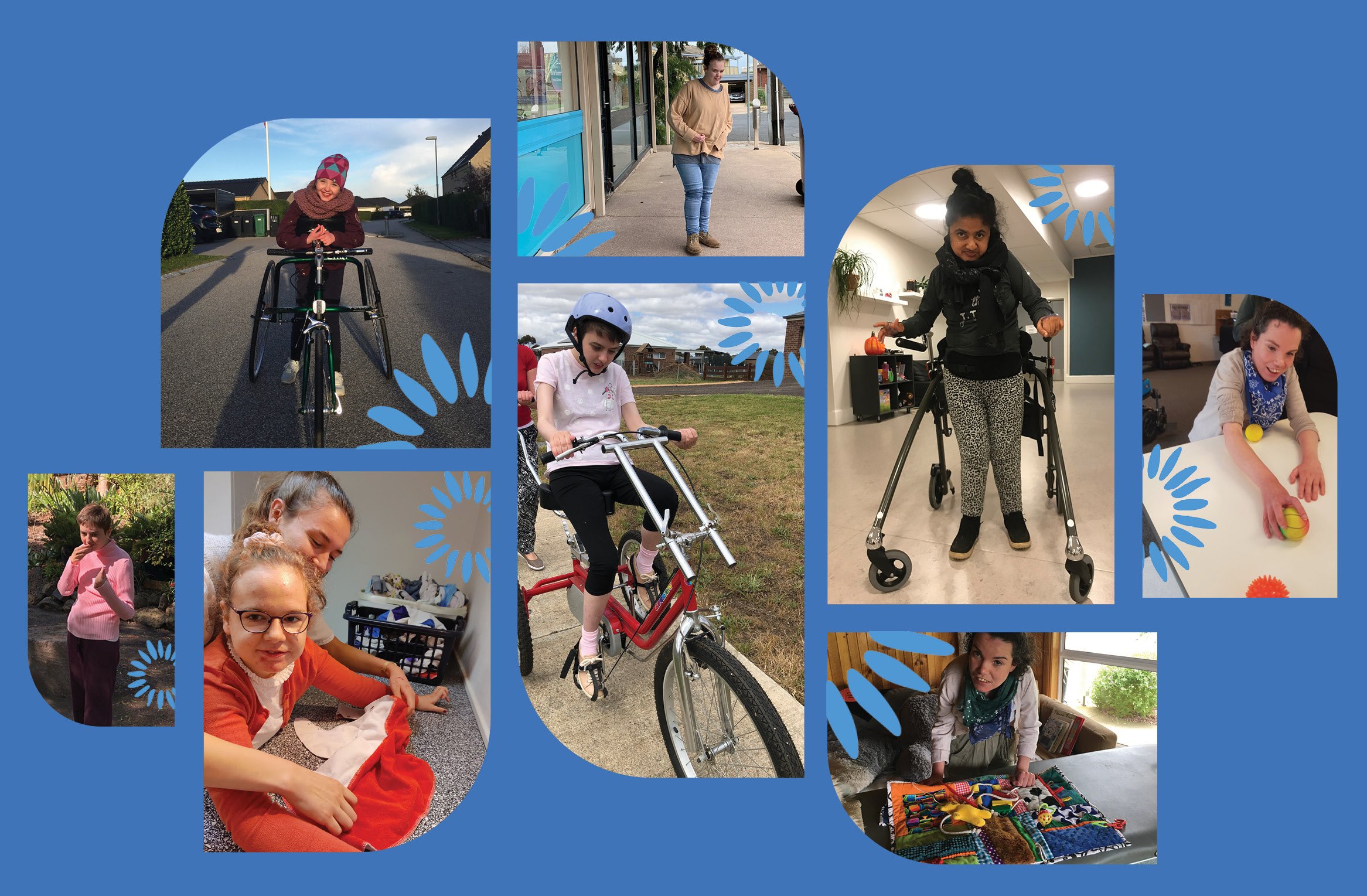
Anyone who engages in physical activity, regardless of how much they do, can achieve mental, physical and social health benefits, resulting in benefits to their quality of life.
This review examines the consequences of preterm birth on the airway epithelium and explores the clinical relevance of currently available models