
Search
Showing results for "mental health aboriginal"
Dissociation can exist along a continuum from normal developmental experiences to severe and contributing to persistent mental illness and impeding normal development. It can also occur as a discreet symptom in a range of disorders or as a disorder itself, and can change depending on a number of factors such as the age and stage of development.
Infection by group A Streptococcus (Strep A) results in a diverse range of clinical conditions, including pharyngitis, impetigo, cellulitis, necrotising fasciitis, and rheumatic heart disease. In this article, we outline the recommended strategies for Strep A treatment and prevention and review the literature for economic evaluations of competing treatment and prevention strategies.
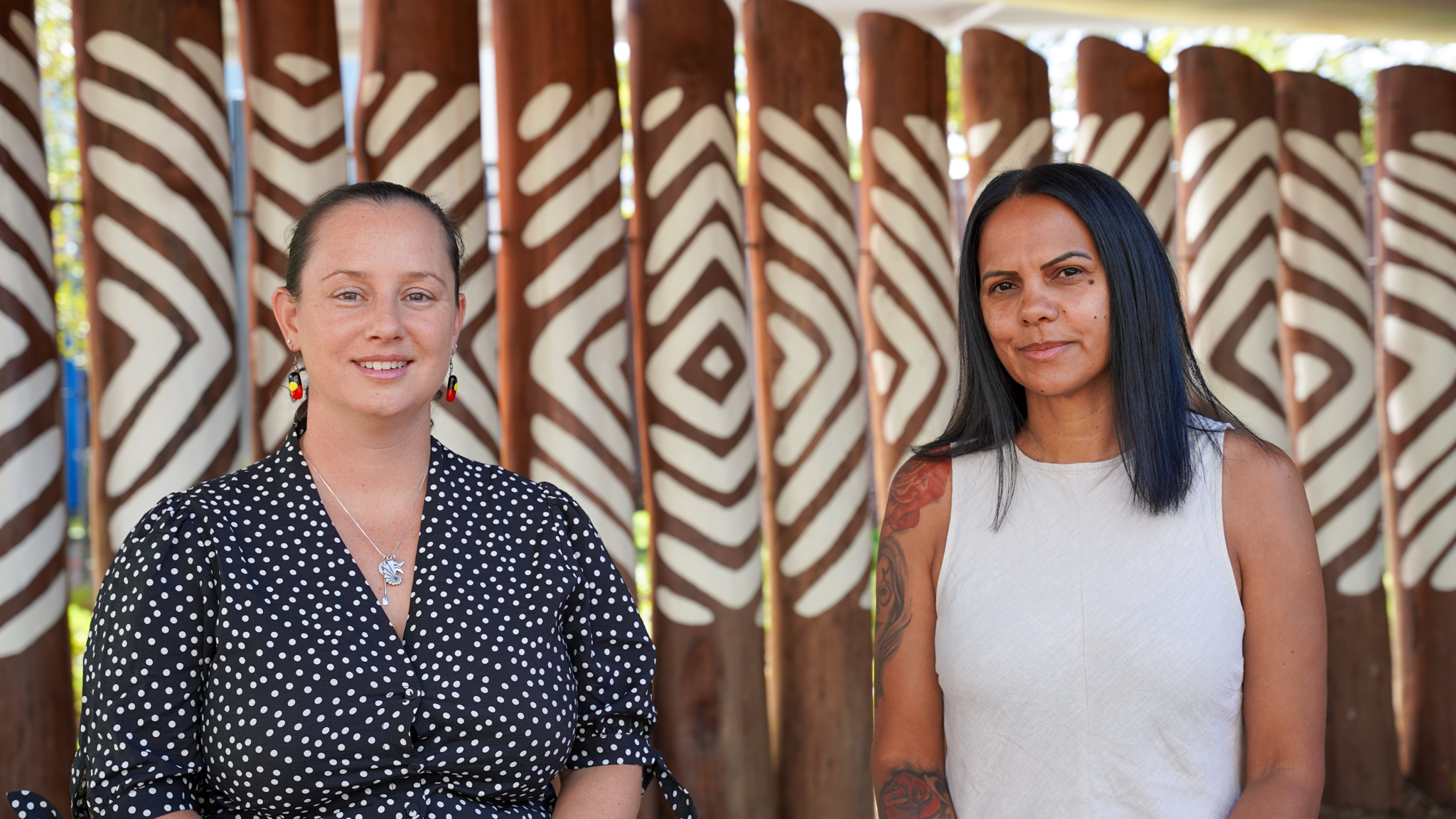
A first of its kind research program at The Kids Research Institute Australia aims to develop new strategies to better treat Aboriginal and Torres Strait Islander children with cancer.
Western Australia’s biggest and only medical research institute dedicated to improving kids’ health and wellbeing, has rebranded to The Kids Research Institute Australia.
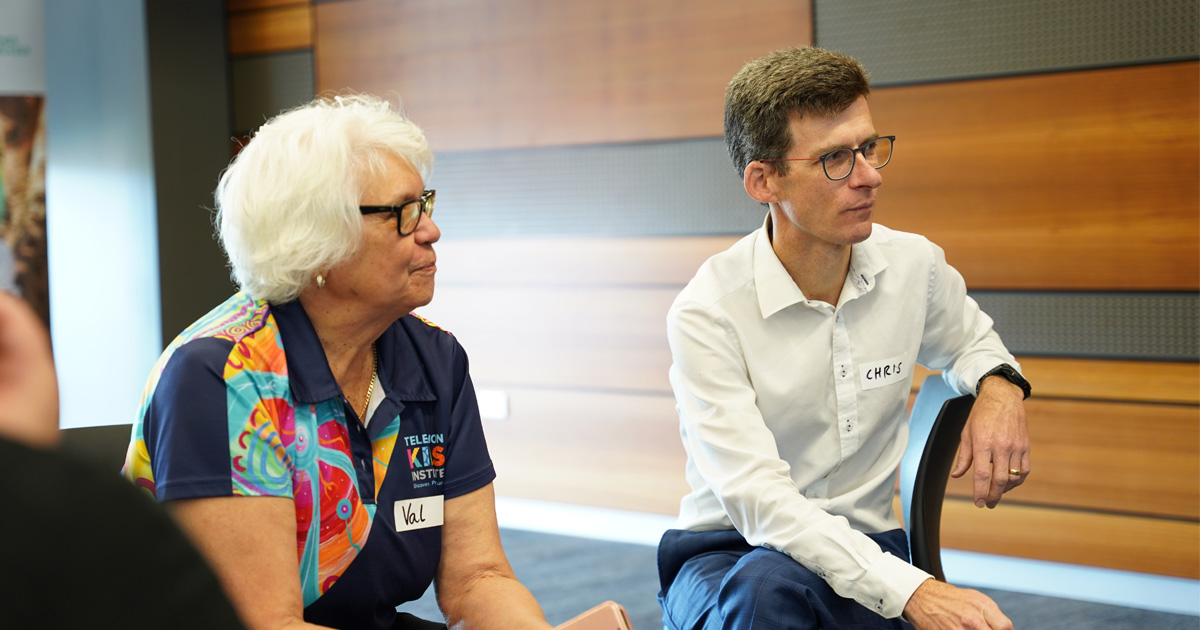
Researchers from the Wesfarmers Centre of Vaccines and Infectious Diseases at The Kids Research Institute Australia have shared their expertise with the community in Cockburn, covering topics ranging from respiratory disease in babies to recurring ear infections in kids.
Internalizing problems comprise a significant amount of the mental health difficulties experienced during childhood. Implementing prevention programs during early childhood may prevent internalizing problems. The present systematic review and meta-analysis aimed to evaluate the effect of both targeted and universal prevention programs in preventing internalizing problems for children aged 3- to 5-years and their parents.

Honorary Research Fellow
Aboriginal children are faced with significant impediments to their chances of a healthy life even before they are born.

The Perth Children’s Hospital (PCH) Adolescent Diabetes Service (ADS) clinics have had several updates thanks to your feedback, including the introduction of “Welcome to Ads group sessions” for teenagers.
Participation in sport is associated with a range of physical, psychological, and social benefits. However, children in out-of-home care face complex barriers to sport participation, with lower participation rates than children in other household arrangements.