
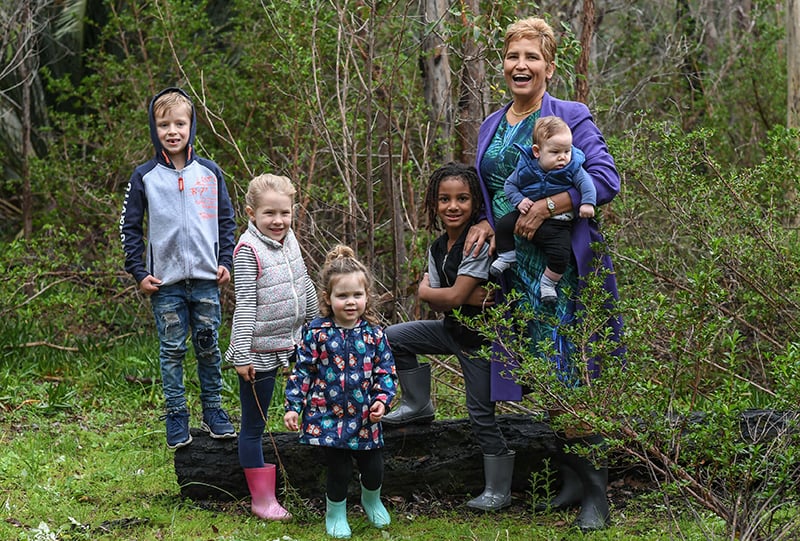
On average Australian children spend about 22 hours a week on a screen and six hours a week playing outside.

There is no doubt that developmental milestones play a very important role for parents.
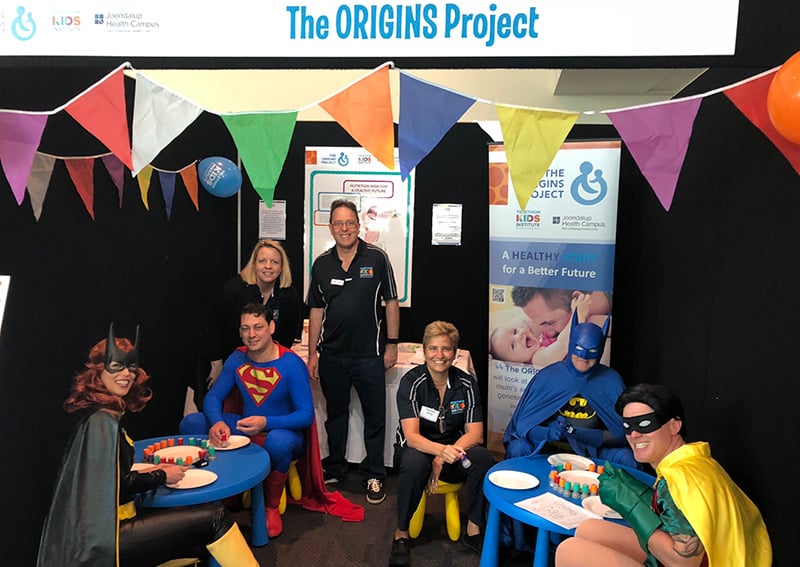
Over the weekend, ORIGINS staff were out in force in the phone rooms and in our ORIGINS Project booth at the Beneficiaries Expo at the Perth Conventi…
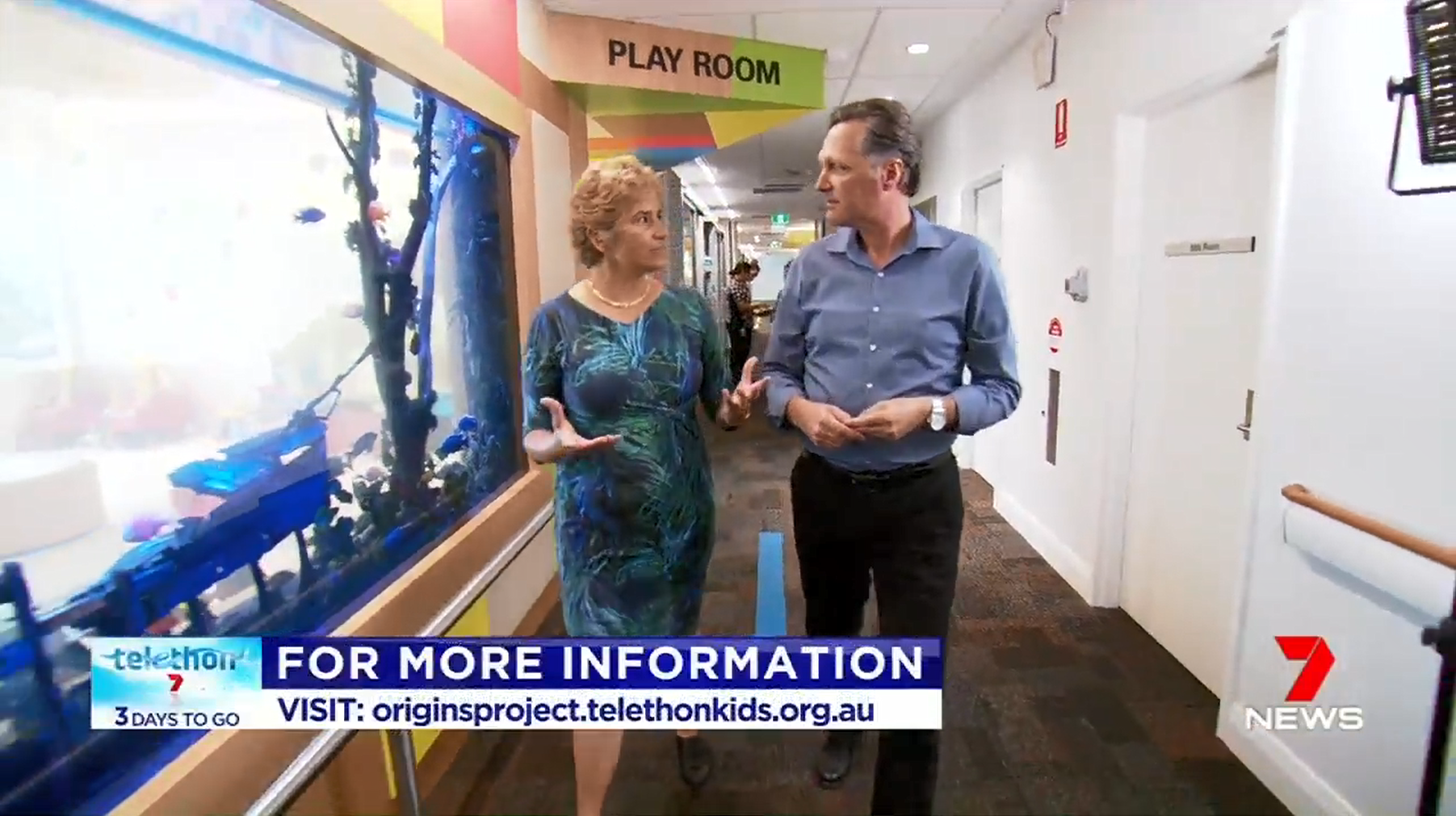
Check out Ch 7 News feature on The ORIGINS Project here
A healthy lunchbox is important, as it provides the fuel for your child to get through their day of learning and play.

Something we’re commonly asked is whether a prescription, over-the-counter, vitamin or herbal medicine is safe to use during pregnancy. ORIGINS pharm…

How to identify and tackle a weight problem in children is a delicate and sensitive issue for many parents. However, the earlier any child weight iss…
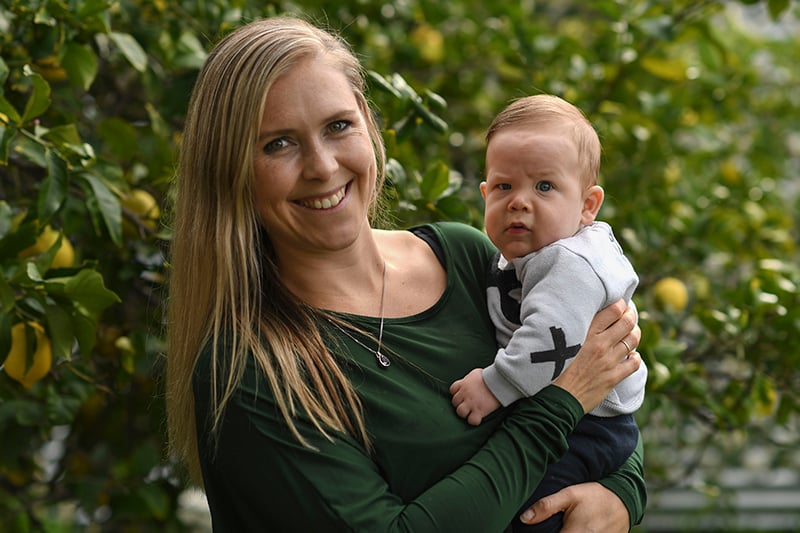
With up to one in four Australian children now affected by allergic diseases, the potential for the ORIGINS SYMBA Study to positively impact future l…
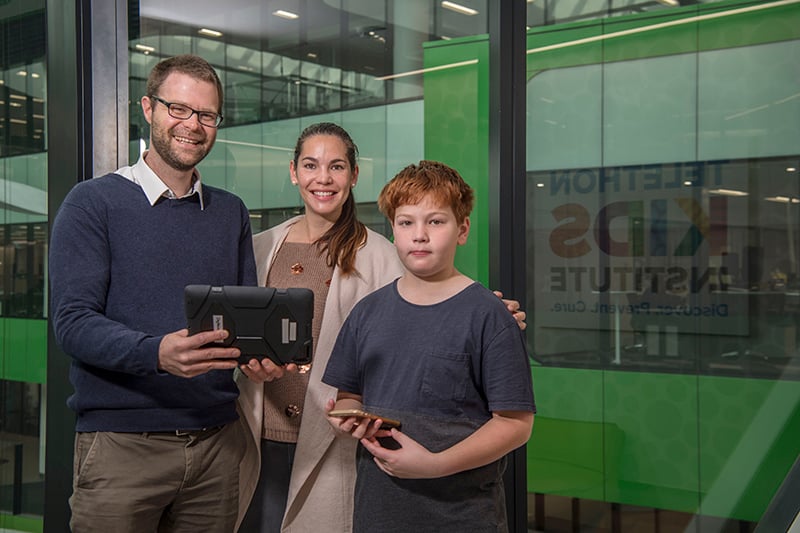
Professor Andrew Whitehouse and the Autism team at The Kids are working with Joondalup Health Campus as part of ORIGINS to gain greater insight into…
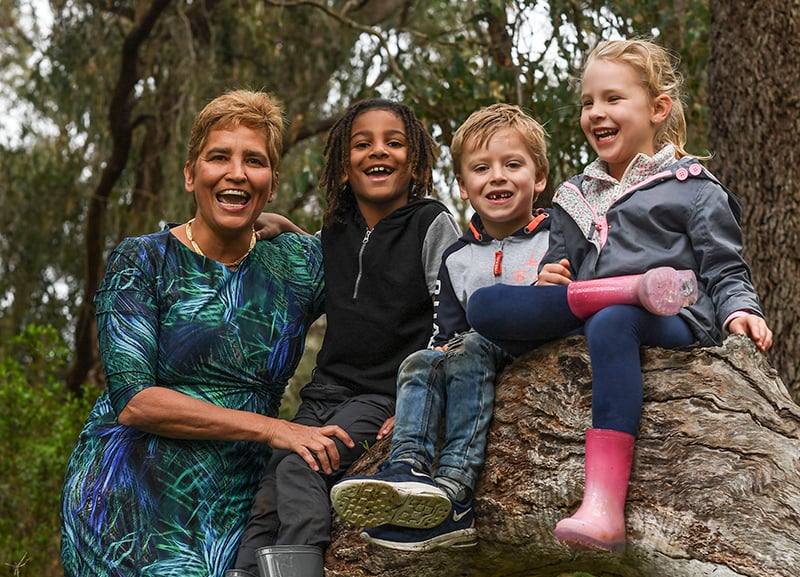
ORIGINS is investigating the influence of nature, from pregnancy through the early years of childhood and its impact on later health, as part of the…