
Search
Showing results for "early lung health"
Engaging the community in COVID-19 rapid research

Changing Prevalence of Lower Airway Infections in Young Children with Cystic Fibrosis Aspergillus is a type of fungus that is found everywhere in
In asthma, a significant portion of the interaction between genetics and environment occurs through microbiota. The proposed mechanisms behind this interaction are complex and at times contradictory. This review covers recent developments in our understanding of this interaction: the "microbial hypothesis" and the "farm effect"; the role of endotoxin and genetic variation in pattern recognition systems; the interaction with allergen exposure; the additional involvement of host gut and airway microbiota; the role of viral respiratory infections in interaction with the 17q21 and CDHR3 genetic loci; and the importance of in utero and early-life timing of exposures.

Honorary Research Associate
War and conflict severely disrupt public health systems, compromising infectious disease surveillance in many affected regions. Mpox, a re-emerging zoonotic disease, poses a growing global threat, especially in areas where traditional monitoring is inaccessible.The mpox virus has distinct clades with varying transmission and severity.
We present lung virome data recovered through shotgun metagenomics in bronchoalveolar lavage fluid from an infant with cystic fibrosis, who tested positive for Stenotrophomonas maltophilia infection. Using a bioinformatic pipeline for virus characterization in shotgun metagenomic data, we identified five viral contigs representing Pseudomonas phages classified as Caudoviricetes.
Allergic diseases are a major cause of morbidity in the developed world, now affecting up to 40 % of the population with no evidence that this is abating.
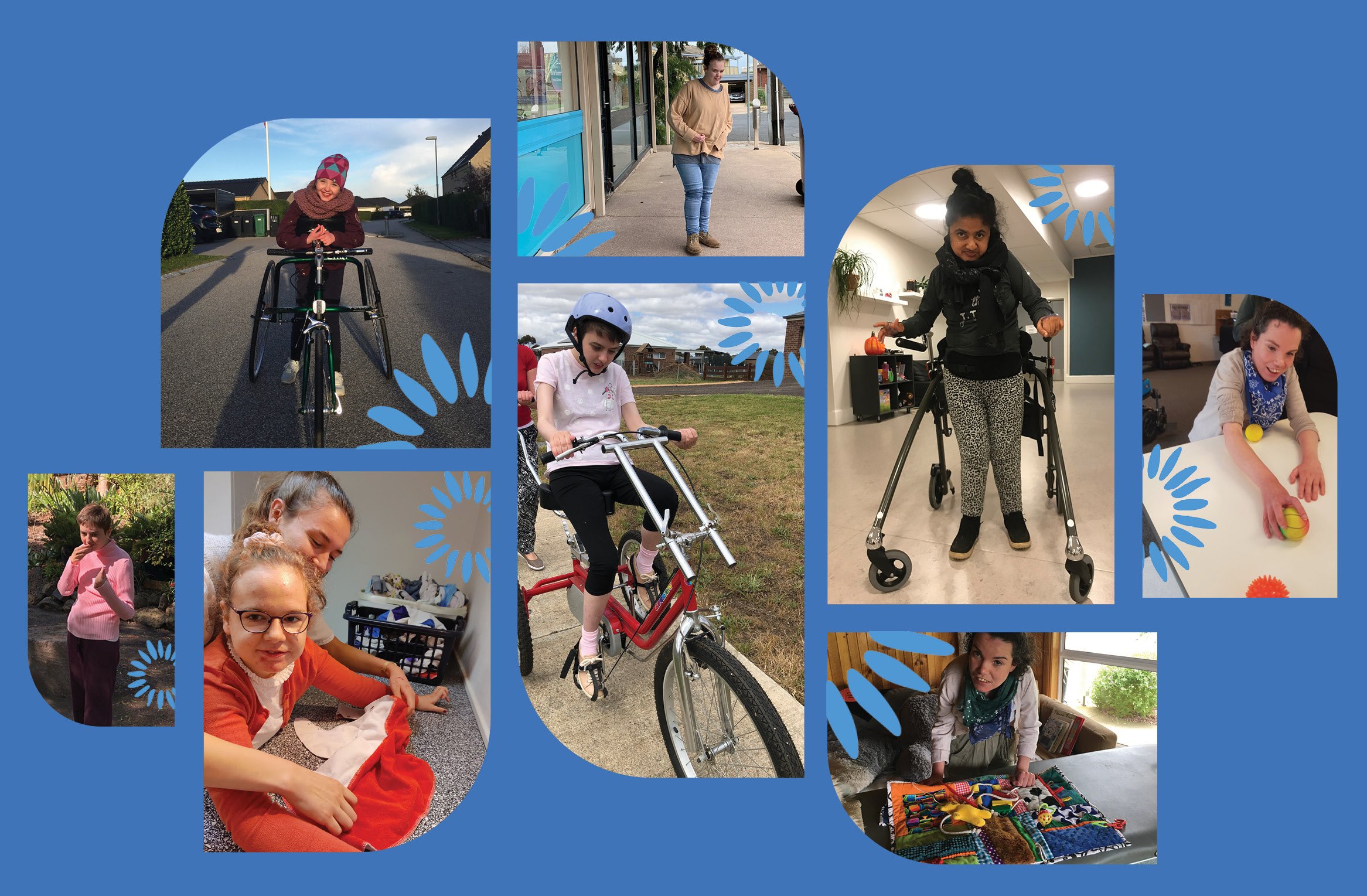
Anyone who engages in physical activity, regardless of how much they do, can achieve mental, physical and social health benefits, resulting in benefits to their quality of life.
This review examines the consequences of preterm birth on the airway epithelium and explores the clinical relevance of currently available models

The The Kids Community stretches far and wide, and is full of inspiring people, doing inspiring things for child health research.