
Search
Showing results for "early lung health"
Vitamin D may be essential for restricting the development and severity of allergic diseases and asthma, but a direct causal link between vitamin D...
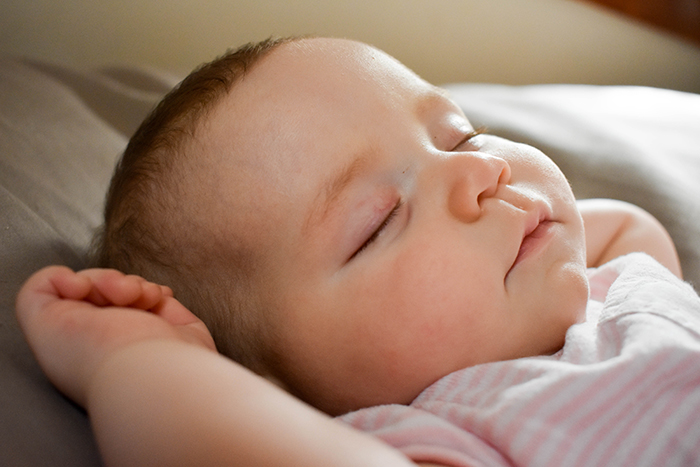
Our researchers want to know what causes chronic lung disease in babies born very preterm. We can learn more about what's happening in the lungs by measuring the air that babies breathe out.
This natural experiment investigated the influence of early childhood education and care outdoor physical environment upgrade on preschoolers' physical activity
A 15 year old girl, born in Hakha, Myanmar, presented with 2 months of intermittent hemoptysis 3 years after immigrating to Australia, via Malaysia.
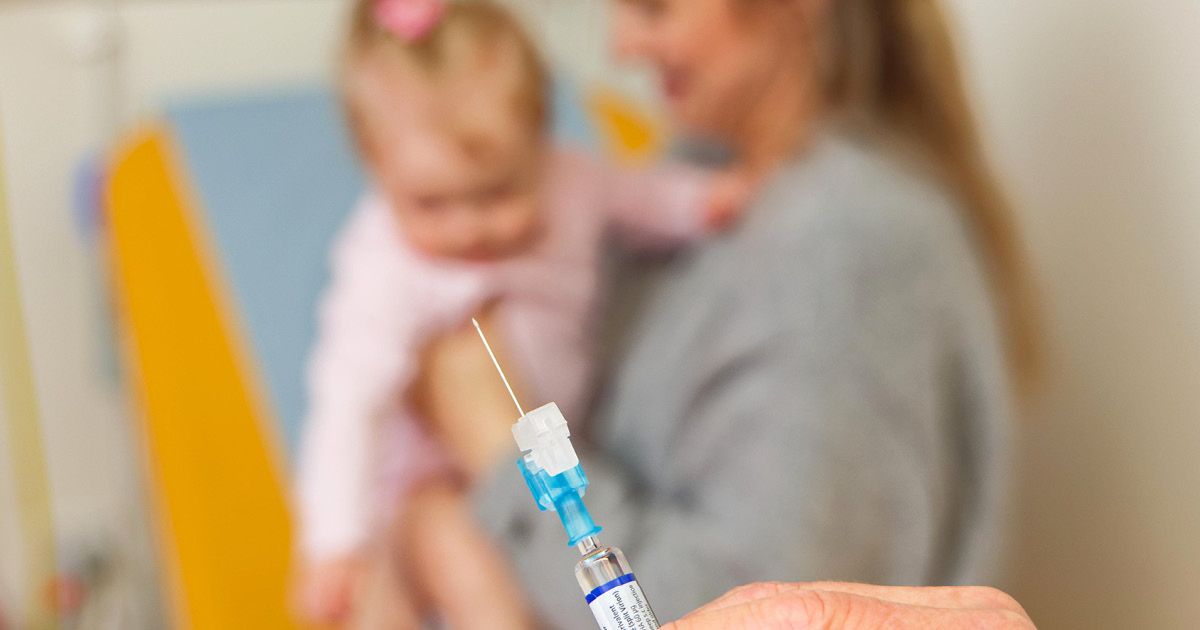
As a leading research site in Australia, the Wesfarmers Centre of Vaccines and Infectious Diseases played an instrumental role in the global effort to develop a world-first RSV immunisation for young babies.
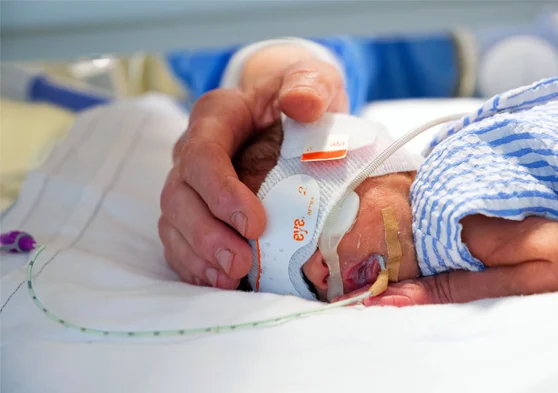
The CIRCA DIEM biobank is a unique collection of biological samples - such as blood, stool and saliva - collected from babies enrolled in the trial.
Operations Manager, Indigenous Genomics
The ecology of the early environment - including microbial diversity, nutrition, nature, social interactions and the totality of exposures in the wider "exposome" - have life-long implications for all aspects of health and resilience. In particular, the emergence of "microbiome science" provides new evidence for vital relationships between biodiversity and health at every level.

PhD Student
The early years are critical for lifelong wellbeing, with transition to formal school a key period for development. For Indigenous children, this transition provides opportunities to build on cultural strengths and belonging. However, many children face systemic barriers that impact their transition experiences, highlighting a need for culturally safe programs that support Indigenous families during this significant time.