
Search
Showing results for "clinical trials"
In partnership with local Aboriginal Community Controlled Health Organisations, the Elder-led co-designed Koolungar Moorditj Healthy Skin project is guided by principles of reciprocity, capacity building, respect, and community involvement. Through this work, the team of Elders, community members, clinicians and research staff have gained insight into the skin health needs of urban-living Aboriginal koolungar (children); and having identified a lack of targeted and culturally appropriate health literacy and health promotion resources on moorditj (strong) skin, prioritised development of community-created healthy skin resources.
Group A Streptococcus (Strep A) causes a wide spectrum of diseases, ranging from pharyngitis and impetigo to severe invasive infections and immune-mediated conditions such as acute rheumatic fever, rheumatic heart disease and acute post-streptococcal glomerulonephritis. Contemporary data on the global burden of Strep A diseases are lacking.
The ‘Ngangk Ngabala Ngoonda (Sun Safety) of Aboriginal young mob of WA’ is a community-led project that aims to identify the sun safety needs and strengthen sun safety knowledge of Aboriginal Children and Young People in Western Australia.
Healthy skin is important for maintaining overall health and wellbeing. Some skin infections, if untreated, can lead to serious downstream health complications such as heart disease, kidney disease, or sepsis.
The Strep A Burden of Disease Working Group (BoDWG) was first established in 2020 through the Strep A Global Vaccine Consortium (SAVAC).

Thanks to the generous support of West Australians, new funding from Channel 7’s Telethon Trust will help develop a much-needed clinical pathway to support families with kids who have early-stage type 1 diabetes (T1D).
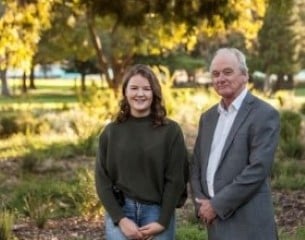
Type 1 diabetes is exhausting and unrelenting. It can be life threatening and there is never a break from it.
CANVAS is a commitment by the Governments of Australia and New Zealand to advance the development of a vaccine against GAS infection, which can cause rheumatic fever.
Continued progress in controlling RHD requires an understanding of how to improve delivery of regular injections of penicillin - secondary prophylaxis (SP).
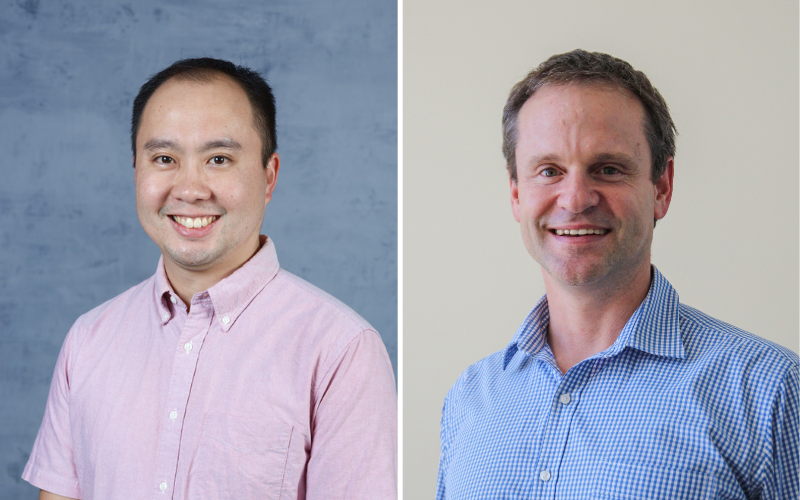
Wal-yan Respiratory Research Centre researchers will use almost $1.2 million in WA Child Research Fund grants to determine why Indigenous children develop bronchiectasis at such high rates after contracting bronchiolitis, and to test a promising novel treatment for respiratory syncytial virus (RSV).