
Search
Showing results for "mental health aboriginal"
Historically, many young people suffered severe valvular disease and died awaiting heart valve replacement.
Secondary prophylaxis to prevent rheumatic heart disease (RHD) progression, in the form of four-weekly intramuscular benzathine benzylpenicillin G (BPG) injections, has remained unchanged since 1955. Qualitative investigations into patient preference have highlighted the need for long-acting penicillins to be delivered less frequently, ideally with reduced pain.
Regular intramuscular benzathine penicillin G injections have been the cornerstone of rheumatic heart disease (RHD) secondary prophylaxis since the 1950s. As the pharmacological correlate of protection remains unknown, it is difficult to recommend changes to this established regimen. Determining the minimum effective penicillin exposure required to prevent Streptococcus pyogenes infection will accelerate development of new long-acting penicillins for RHD prevention as well as inform opportunities to improve existing regimens. The CHIPS trial will address this knowledge gap by directly testing protection afforded by different steady state plasma concentrations of penicillin in an established model of experimental human S. pyogenes pharyngitis.
Whilst gastrostomy insertion was associated with lower survival rates than children without gastrostomy, survival improved with time
Gastrostomy was associated with health benefits including reduced all-cause and epilepsy hospitalizations, but was not protective against acute LRTI
Fiona Pete Stanley Azzopardi FAA FASSA MSc MD FFPHM FAFPHM FRACP FRANZCOG HonDSc HonDUniv HonFRACGP HonMD HonFRCPCH HonLLB (honoris causa) PhD, FRACP
Caregivers play a crucial role in supporting the development of their children's emotion regulation. This study validated the Parental Assistance with Child Emotion Regulation (PACER) Questionnaire in a sample of 491 caregivers of young children ≤ 5 years.
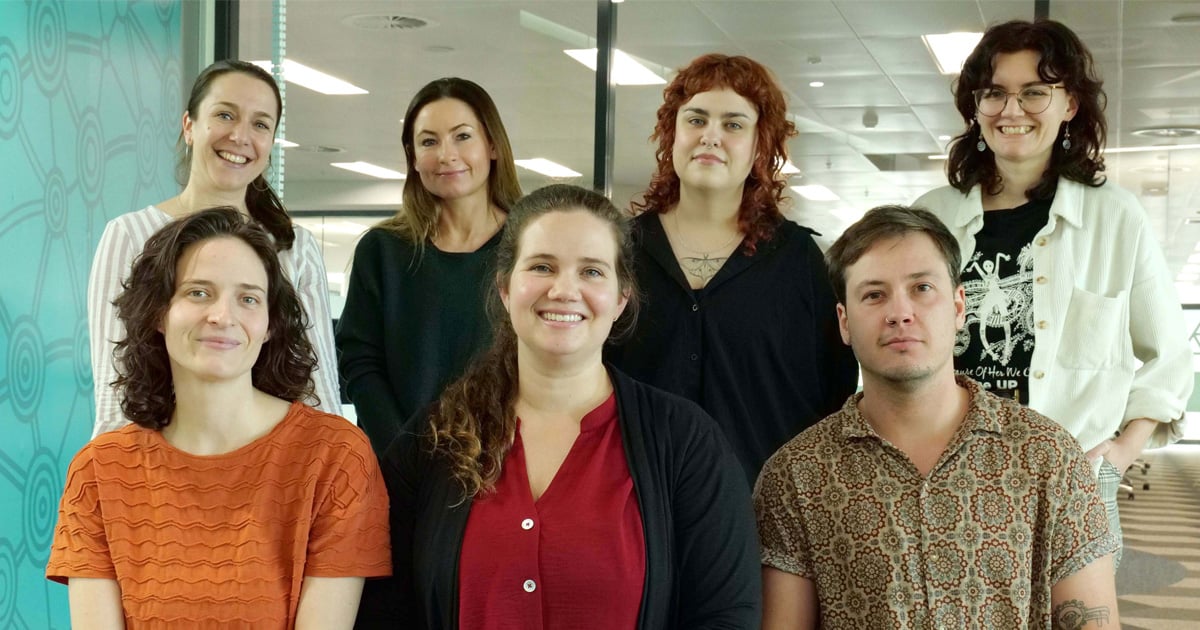
Trans Pathways is set to receive an update in the lead-up to the ten-year anniversary of the release of this seminal study by The Kids Research Institute Australia.
In the Kariyarra language of the traditional owners of Port Hedland, Kumaparniku means ‘all together in one’. Over the next couple of years, we will be conducting some research that will look at how we can work together to grow up strong healthy babies and kids.
Parents and carers were asked about the quality of services, need for services and whether their children received the needed service, as well as barriers.