
Search
Showing results for "vitamin d asthma"
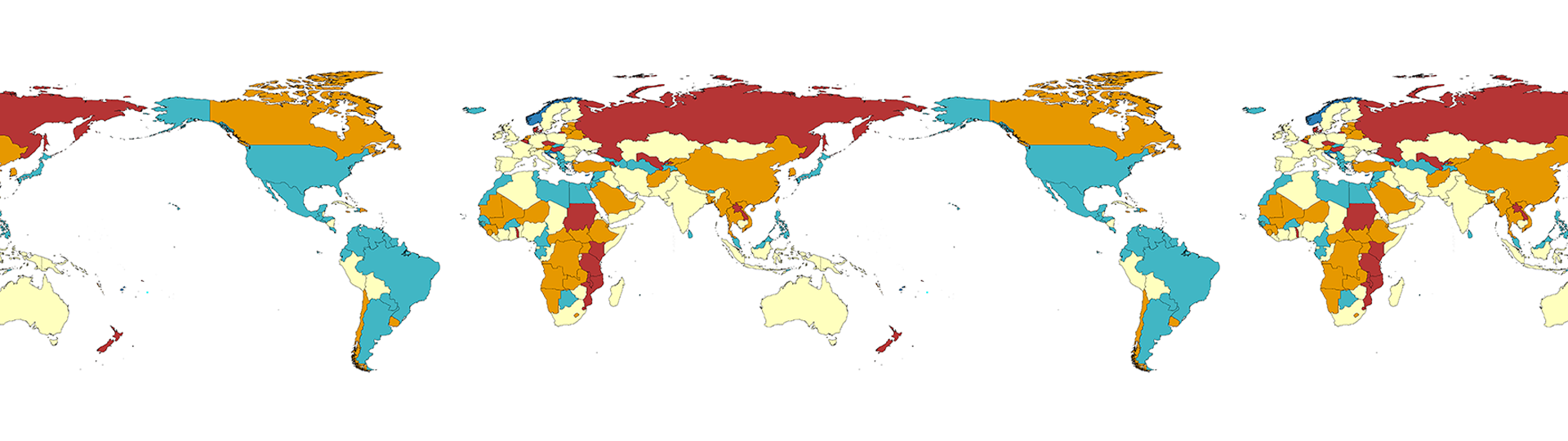
The Geospatial and Tuberculosis (GeoTB) team led by Kefyalew Alene focuses on designing an innovative approach for improving the efficiency and effectiveness of public health interventions to help control and ultimately eliminate tuberculosis in high-burden countries.
COVID-19-associated non-pharmaceutical interventions (NPI) have disrupted respiratory viral transmission. We quantified the changes in paediatric hospital admissions in 2020 from five different NPI phases in Western Australia for acute lower respiratory infections (ALRI) in children in the context of all-cause admissions.
In remote communities of northern Australia, First Nations children with hearing loss are disproportionately at risk of poor school readiness and performance compared to their peers with no hearing loss. The aim of this trial is to prevent early childhood persisting otitis media (OM), associated hearing loss and developmental delay.
Receptive vocabulary development is a component of the human language system that emerges in the first year of life and is characterised by onward expansion...
This data set provides a useful reference point for genomic studies on Aboriginal Australians

Many parents may be feeling anxious and confused about what COVID-19 means for pregnant women, babies and children.

Two incredible team leaders from The Kids Research Institute Australia will join a cohort of 25 women working in STEM across Australia, to take part in the 2023 WILD program.
To investigate temporal trends in admission rates for acute lower respiratory infections (ALRI) in a total population birth cohort of non-Aboriginal and...

These guidelines outline a set of best practices for suicide prevention in LGBTQA+ young people, targeting both clinical and community service providers.
This article documents the establishment of community laundries in rural/remote Aboriginal and Torres Strait Islander communities between 2000-2024, with the aim to support synergistic planning, implementation and evaluation.