
Search
Showing results for "Childhood interstitial lung disease "
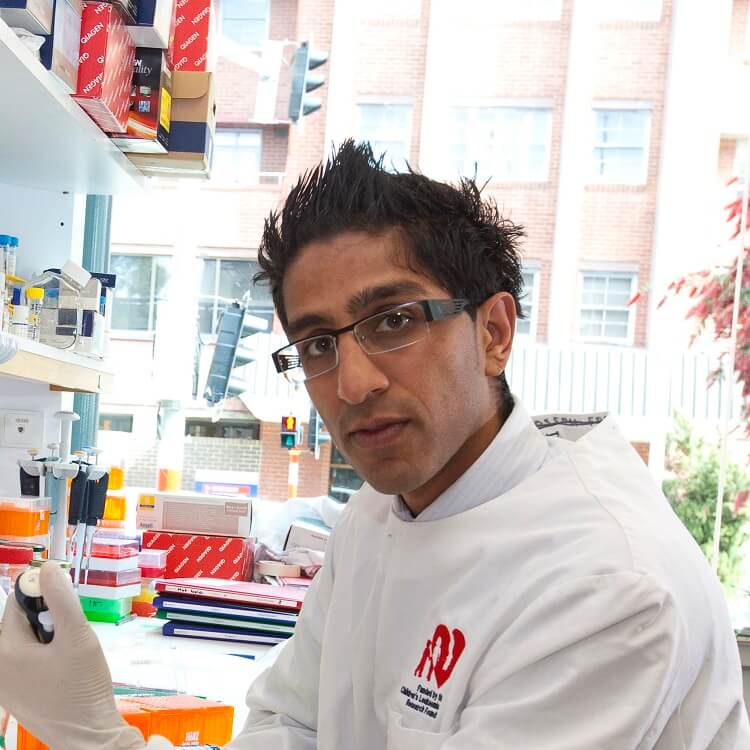
The Australian arm of an international clinical trial looking at improved treatments for young babies with leukaemia has been awarded funding from the MRFF.
Australian researchers join global effort to better understand how events during pregnancy and childhood influence the development of disease later in life.
On July 8, Professor Moira Clay will fly out to France and Italy as part of The Telethon Adventurers challenge to raise critical funds to assist researchers
High rates of recurrent infection are a major risk to the health of Aboriginal children and are comparable to those of third world countries.
Susan Prescott MBBS BMedSci PhD FRACP Honorary Research Fellow susan.prescott@thekids.org.au Honorary Research Fellow Susan Prescott is a Professor
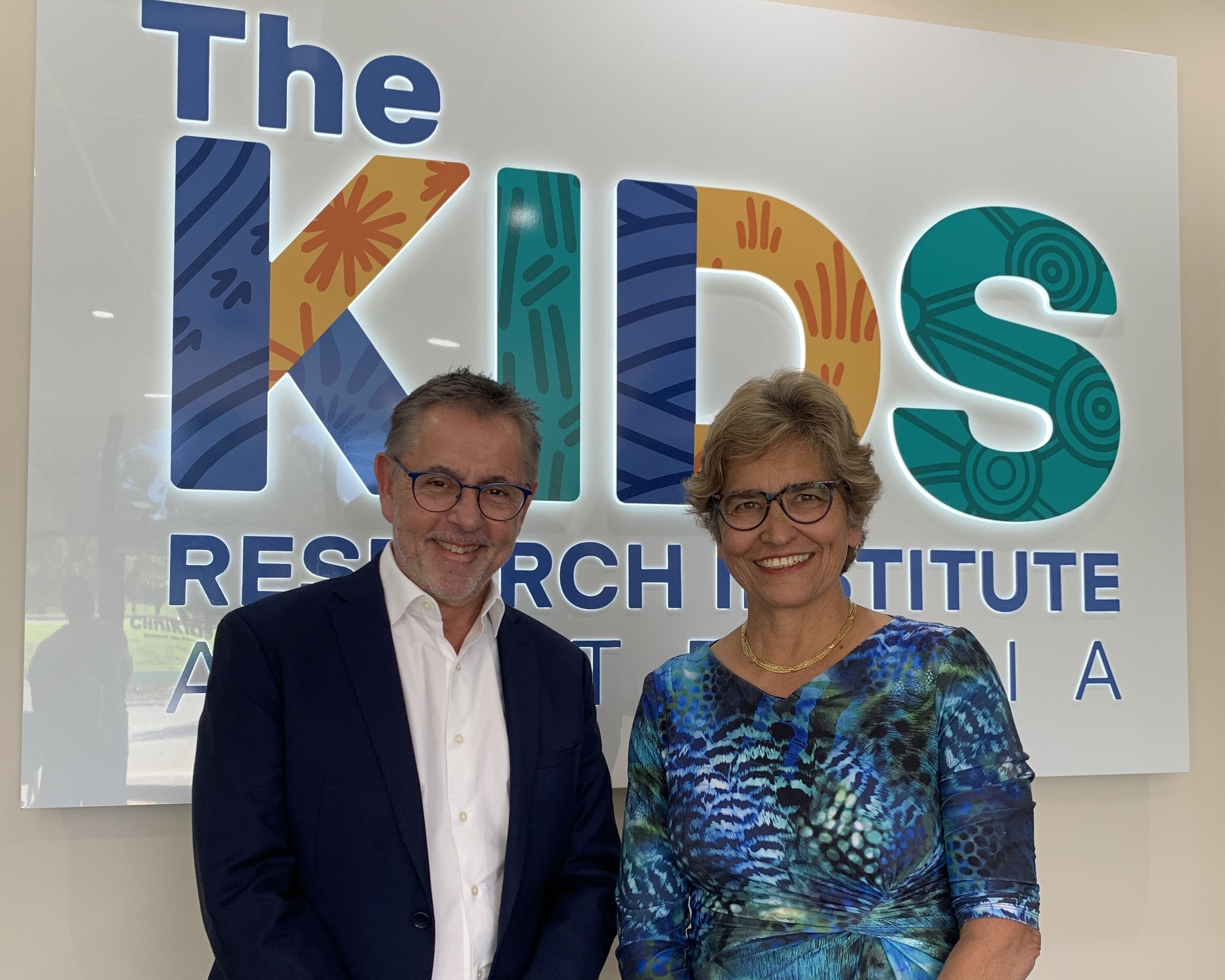
The episode investigates the alarming rise in early-onset adult cancers and the research efforts to understand why and what Australia can do the reduce its diagnoses.
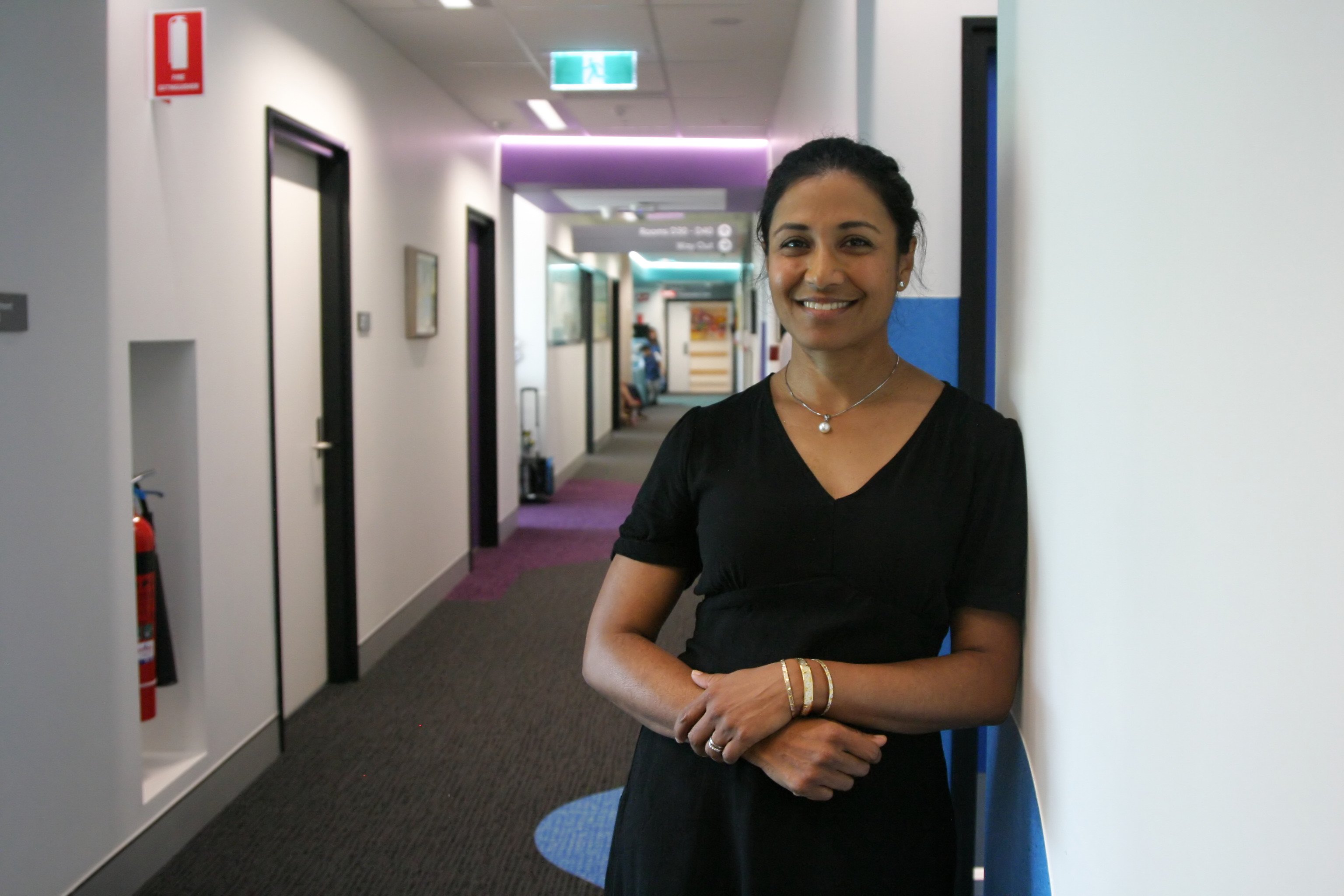
Congratulations to Principal Research Fellow Dr Aveni Haynes from The Kids Research Institute Australia and the University of Western Australia.
At the American Society of Tropical Medicine and Hygiene (ASTMH) Annual Meetings in 2024 and 2025, our team convened stakeholder engagement sessions on next-generation malaria vaccines.
KMT2A-rearranged acute lymphoblastic leukemia (ALL) in infants is an aggressive disease with 3-year event-free survival below 40%. Most relapses occur during treatment, with two thirds occurring within 1 year and 90% within 2 years after diagnosis. Outcomes have not improved in recent decades despite intensification of chemotherapy.
Influenza infection contributes substantially to global morbidity and mortality, with children undergoing treatment for cancer among the most vulnerable due to immunosuppression associated with disease and treatment. However, influenza remains one of the most common vaccine-preventable diseases.