
Search
Showing results for "clinical trials"
Australian energy drink users tend to have heavier alcohol consumption patterns be a cigarette smoker and use illicit drugs relative to non-users.
The present study investigated the relations among fetal testosterone, child socio-emotional engagement and language development...
Learn more about the Wesfarmers Centre of Vaccines and Infectious Diseases
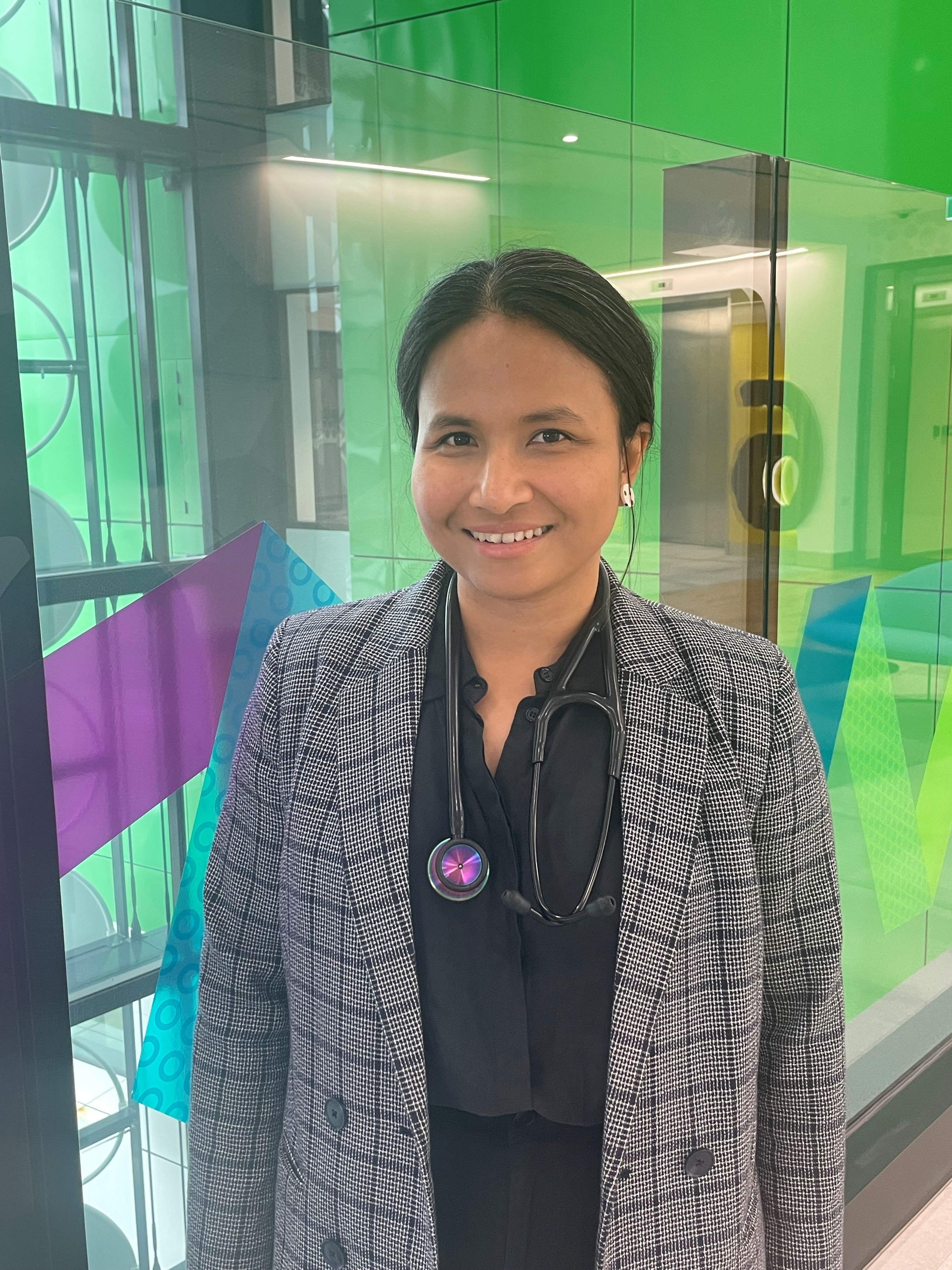
A surge in invasive group A streptococcal reports in Australia has prompted The Kids Research Institute Australia researchers to call for a unified national public health response, with cases tipped to increase.
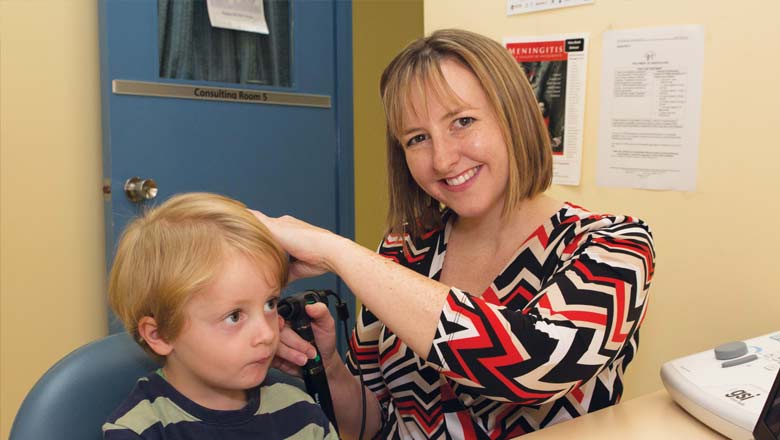
The Kids is investigating whether a cystic fibrosis medication may be the answer to ear infections, reducing the need for antibiotics and surgery.

Paediatric infectious disease expert and clinician-scientist Associate Professor Asha Bowen has been named as the Emerging Leader in Science at the country’s most prestigious science awards – the Australian Museum Eureka Prizes.

An Early-Stage Type 1 Diabetes (T1D) Clinic aims to revolutionise diabetes care and support families navigating the beginning of an early-stage T1D diagnosis.
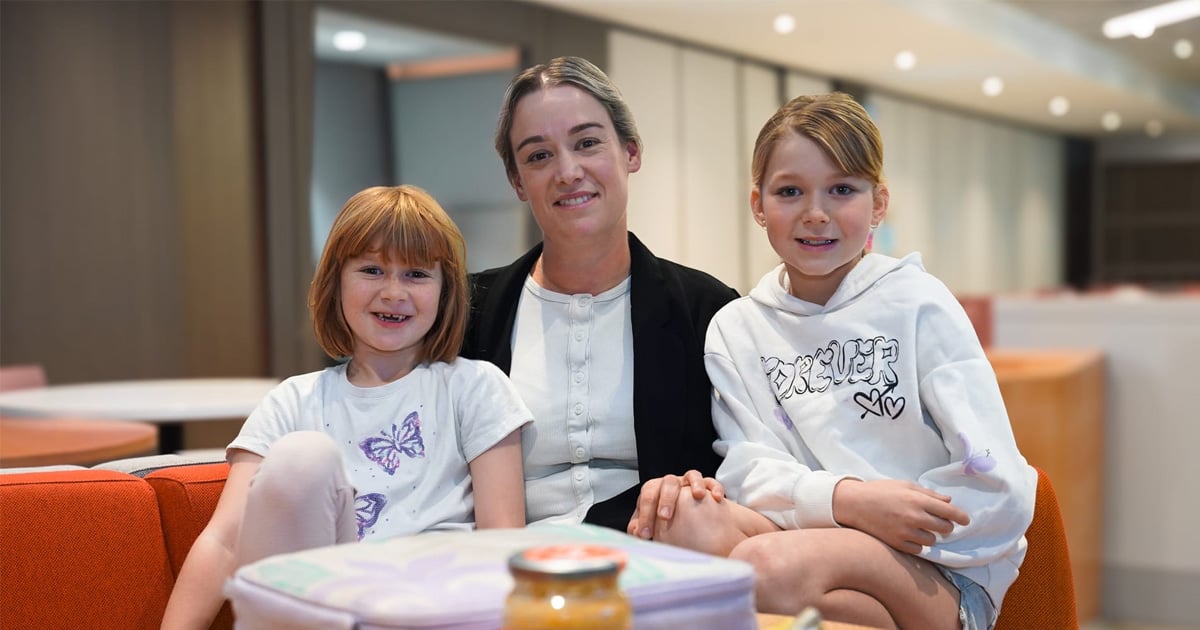
Families who introduce peanut butter and eggs to their baby’s diet at around six months of age can significantly reduce the chances of them developing a life-threatening allergy, according to a new study published in the Journal of Allergy and Clinical Immunology – In Practice.
The maternal experience of stressful events during pregnancy has been associated with a number of adverse consequences for behavioral development offspring...
To determine whether there was an independent effect of breastfeeding on child and adolescent mental health