
Search
Showing results for "Childhood interstitial lung disease "
We report on the Australian experience of blinatumomab for treatment of 24 children with relapsed/refractory precursor B-cell acute lymphoblastic leukaemia (B-ALL) and high-risk genetics, resulting in a minimal residual disease (MRD) response rate of 58%, 2-year progression-free survival (PFS) of 39% and 2-year overall survival of 63%. In total, 83% (n = 20/24) proceeded to haematopoietic stem cell transplant, directly after blinatumomab (n = 12) or following additional salvage therapy (n = 8).
We recruited age- and sex-matched Chinese immigrants living in Western Australia for less than 6 months (newly arrived, n = 22) or more than 5 years.
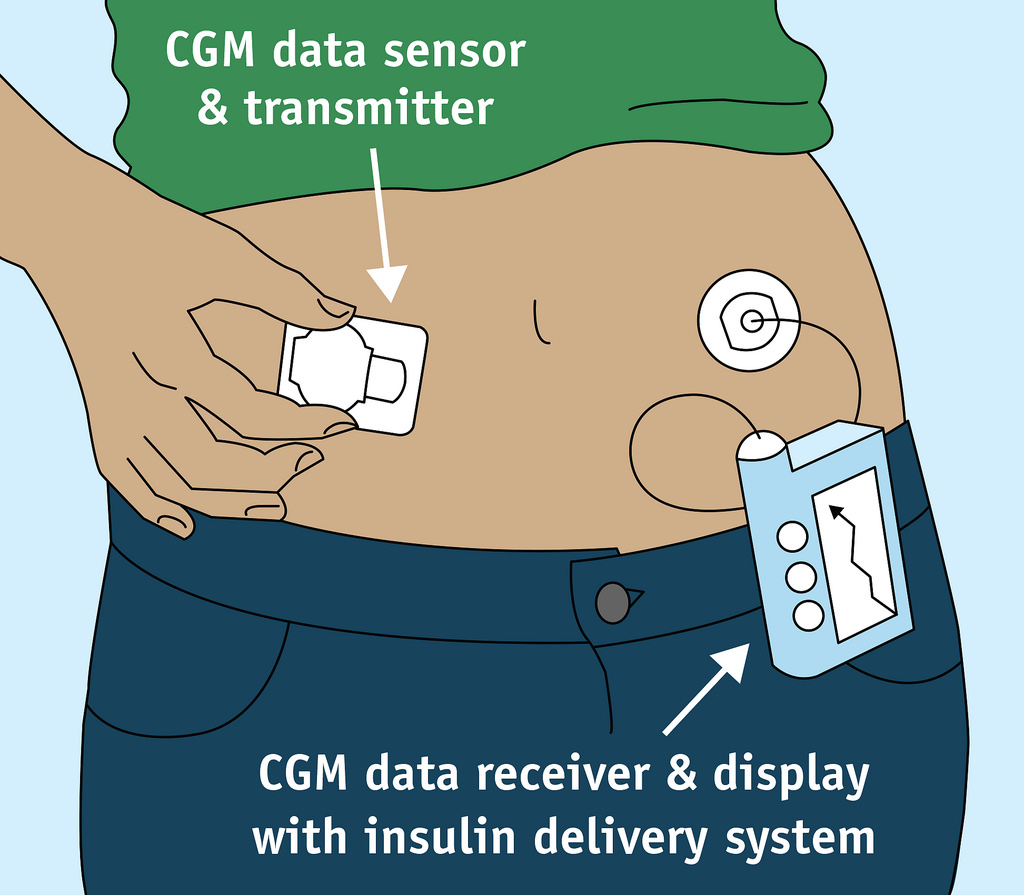
A Closed-Loop System will potentially have a major impact upon acute and chronic complications of diabetes as well as upon their quality of life.
Work by the Institute's Division of Children's Leukaemia and Cancer Research has been recognised with three research grants from the Cancer Council of WA.
Chris Peter Brennan-Jones Richmond PhD MBBS MRCP(UK) FRACP Head, Ear and Hearing Health Head, Vaccine Trials Group chris.brennan-jones@thekids.org.au
An international study examining Covid-19 severity on hospitalised children and adolescents has found that as the virus became more infectious, intensive care admissions dropped across multiple age groups regardless of vaccination status.
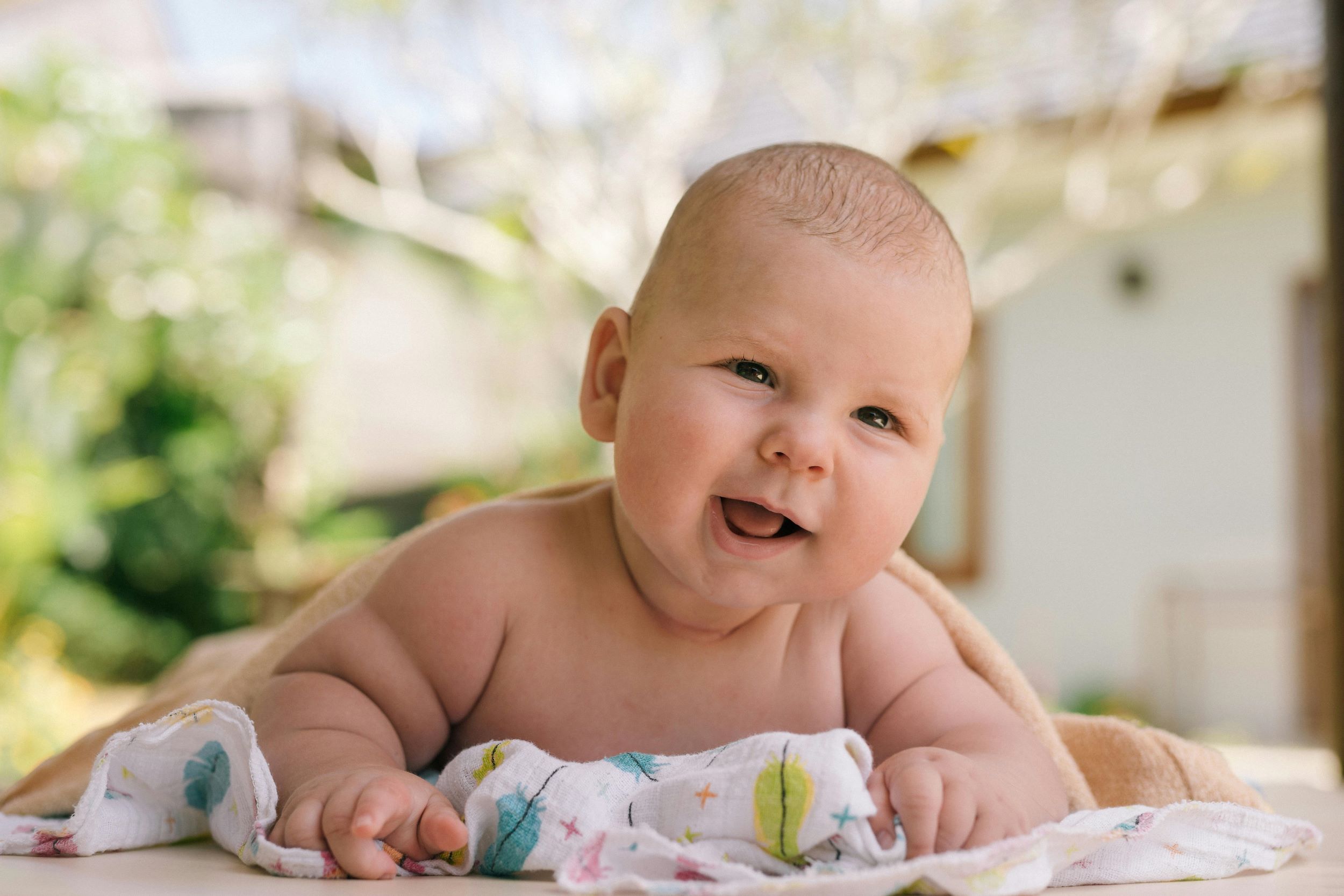
Determining the associations of sun exposure in early life on the development of non-communicable diseases.
We have demonstrated the potential use of Bayesian Networks in improving antibiotic selection for children with osteomyelitis
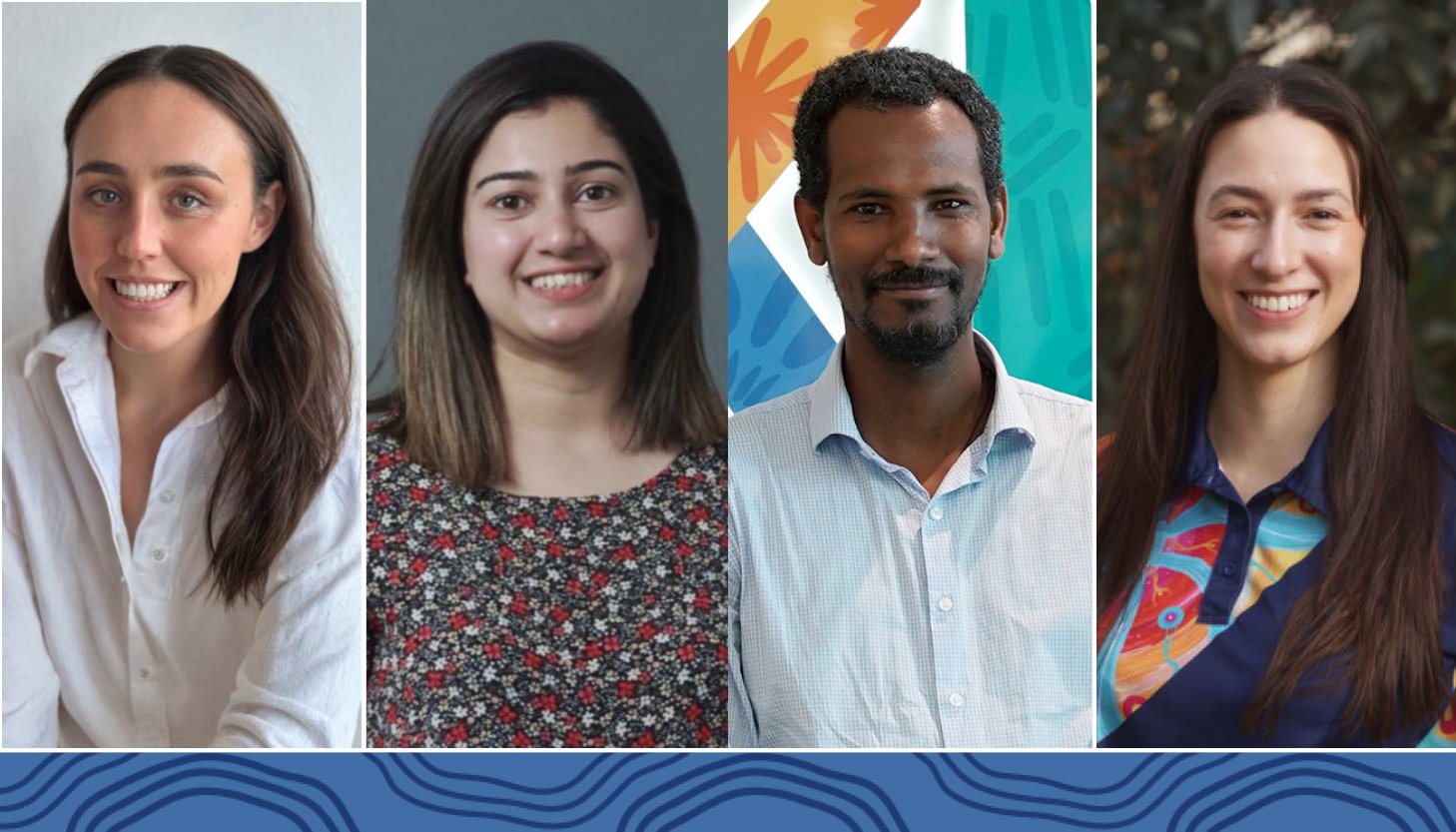
Congratulations to four outstanding early-career researchers from The Kids Research Institute Australia, who have been awarded BrightSpark Foundation fellowships and project funding for 2026.
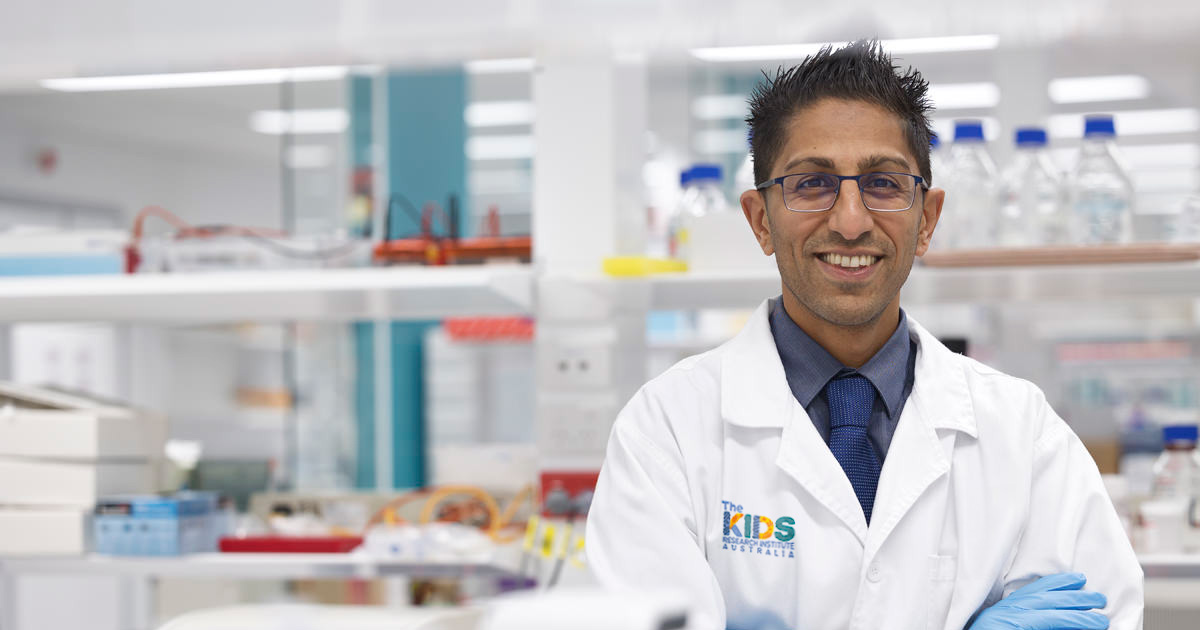
Associate Professor Rishi Kotecha, Co-Head of Leukaemia Translational Research at The Kids Research Institute Australia Cancer Centre and Consultant Paediatric Oncologist at Perth Children's Hospital, has been named Cancer Council WA’s 2024 Cancer Researcher of the Year.