
Search
Showing results for "early lung health"
During exacerbations, when symptom and treatment burden are increased, individuals with cystic fibrosis (CF) are likely to prefer airway clearance techniques (ACTs) that require minimal effort. Therefore, in adults with CF who were hospitalised with an exacerbation, we sought to compare the effect of the MetaNeb with usual ACTs on respiratory function and expectorated sputum.
Idiopathic Pulmonary Fibrosis (IPF) is a progressive lung disease in which circulatory biomarkers has the potential for guiding management in clinical practice. We assessed the prognostic role of serum biomarkers in three independent IPF cohorts, the Australian IPF Registry (AIPFR), Trent Lung Fibrosis (TLF) and Prospective Observation of Fibrosis in the Lung Clinical Endpoints (PROFILE).
The dramatic rise in early childhood allergic diseases indicates the specific vulnerability of the immune system to early life environmental changes.
The purpose of this review is to examine the role of innate immunity in the lungs in the development of allergy and asthma.
Pregnancy is associated with an alternatively activated phenotype of alveolar macrophage before infection

Airway surface liquid pH is not acidic in children with cystic fibrosis Modulation of airway surface liquid (ASL) pH has been proposed as a therapy
This study aimed to determine whether breathing 100% oxygen altered tidal breathing parameters in healthy young children and young children with CF.
This review reports on methods used to evaluate airway clearance techniques (ACT) in adults with CF and examined data for evidence of any effect. Sixty-eight studies described ACT in adequate detail and were included in this review.
Evidence from animal models demonstrate that intrauterine growth restriction (IUGR) alters airway structure and function which may affect susceptibility to disease. Airway inflammation and dysregulated epithelial barrier properties are features of asthma which have not been examined in the context of IUGR.
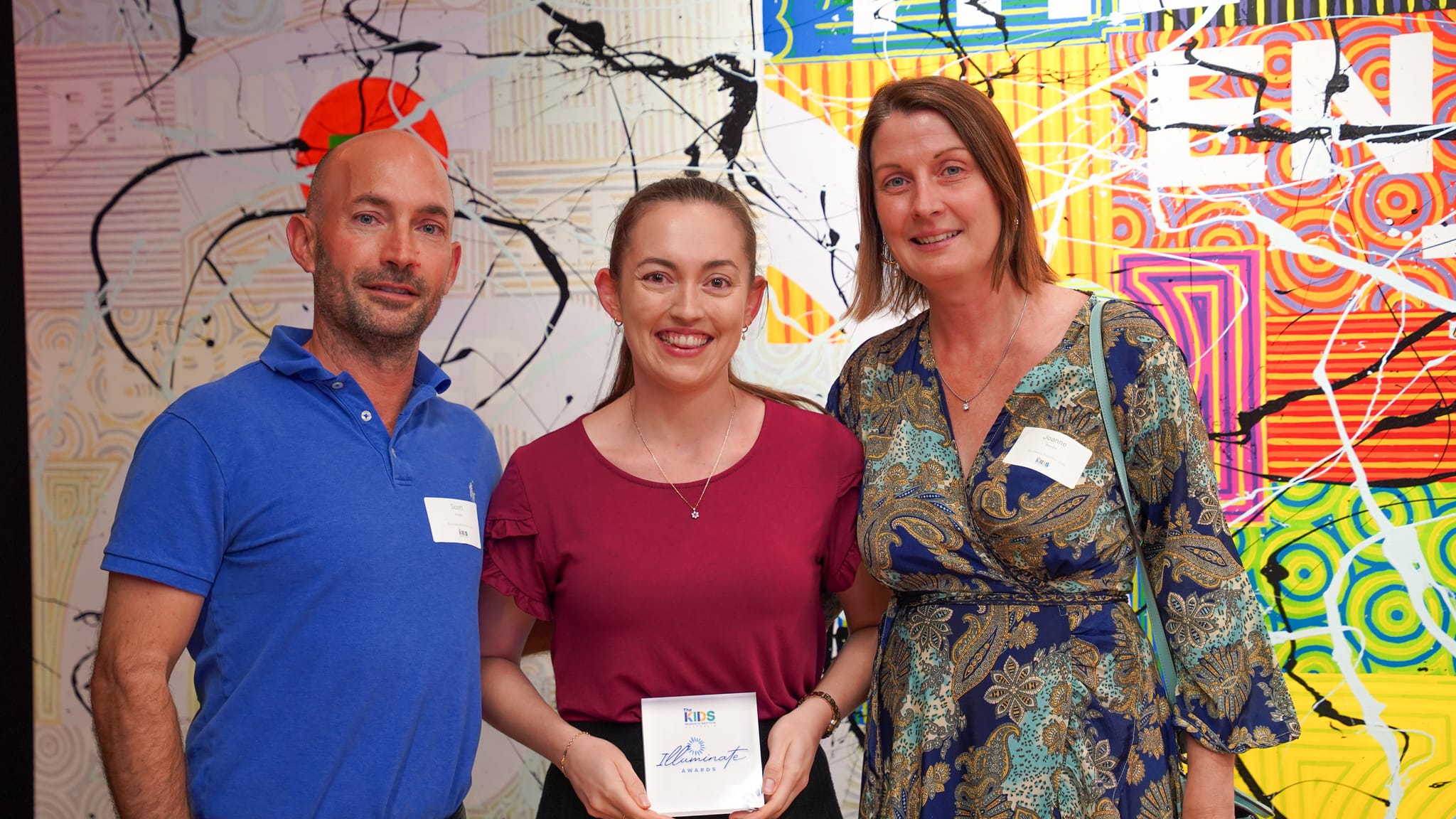
Dr Denby Evans, a Wal-yan Respiratory researcher, has been awarded a $25,000 Illuminate Award for her work to change that. Funding by Helping Little Hands, the award was presented at The Kids Research Institute Australia’s 2026 Illuminate PitchFest.