
Dissociative disorders in children and young adolescents are under-recognised and under-treated. Current diagnostic criteria rely on downward extensi…
Early first sexual intercourse (FSI) is a risk factor for unplanned abstract teenage pregnancy, sexually transmitted infection, and adverse social, e…
areas. Researchers used the 2009 Australian Early Development Census (AEDC) results to determine children's ... been diagnosed with a chronic disease…
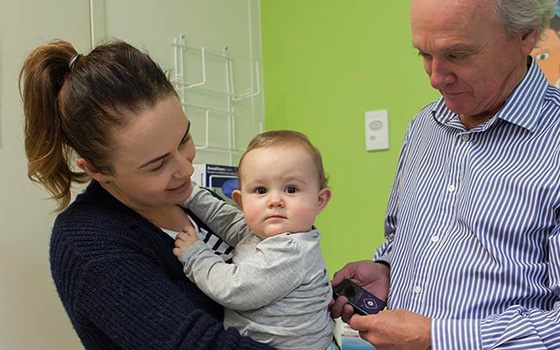
The Children's Diabetes Centre's research into Type 1 diabetes, childhood onset Type 2 diabetes and obesity aims to improve the lives of children and…

pitch their bold and bright ideas. The 10 early to mid-career researchers are committed to discovering ... curing some of the most challenging and co…
Cord blood background IL-12 concentrations are important for protecting children from clinical malaria
Anxiety and sleep problems may be an early indicator of autism in young children and early autistic traits may also contribute to anxiety problems la…

The vision of the Nutrition in Early Life team is to work together with the community to produce quality research, for improving our knowledge of how…
Current methods for assessing the healthfulness of 24-hour movement behaviours (sleep, sedentary time, light physical activity, moderate-to-vigorous…
Birth weight and childhood adiposity are associated with subsequent cardiovascular risk. We investigated the associations between metabolic clusters…