
Search
Showing results for "Childhood interstitial lung disease "

Dr Nick Gottardo, Co-Head of The Kids Research Institute Australia's Brain Tumour Research Team, has been announced a nominee for the 2018 WA Australian of the Year Award
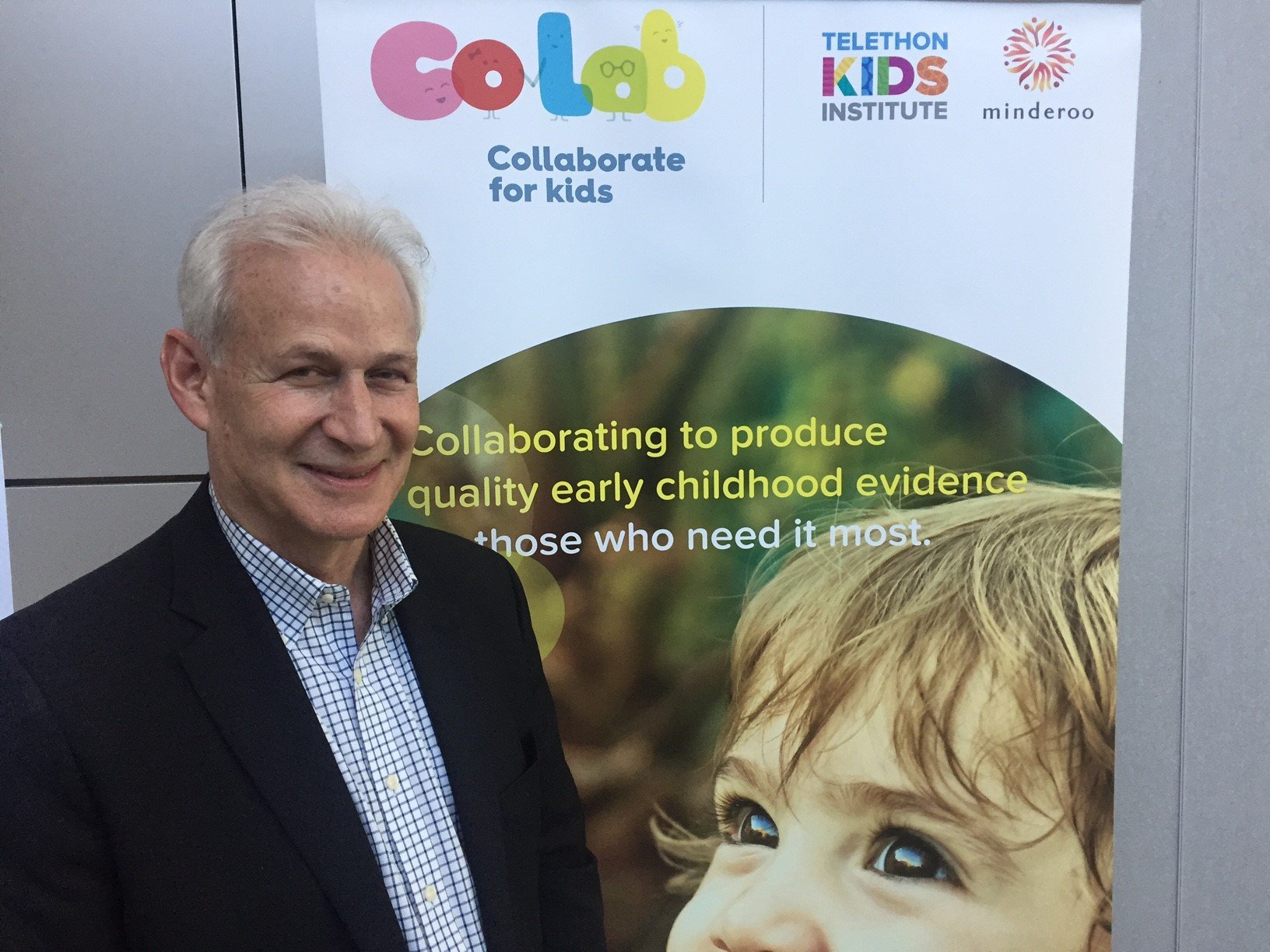
Dr Jack Shonkoff, from Harvard University is visiting Perth this week as a guest of CoLab, Goodstart Early Learning and Child Australia.
The aim was to evaluate the incidence, sex distribution, ethnicity, age at diagnosis, clinical presentation and morbidity of all childhood-onset congenital...
Peter Britta Richmond Regli-von Ungern-Sternberg AM FAHMS MBBS MRCP(UK) FRACP MD, PhD, DEAA, FANZA Head, Vaccine Trials Group Chair of Paediatric
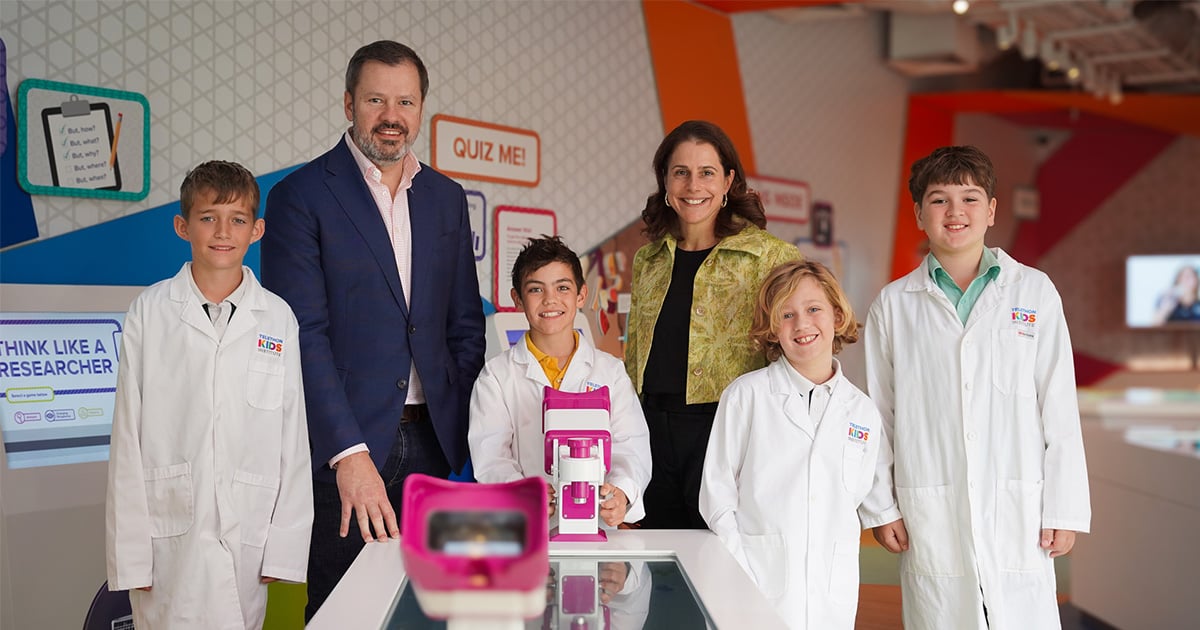
The Kids Research Institute Australia will bring science to the Kimberley for a second year in 2024 after the Federal Government today announced a $20,000 grant for the Institute to deliver the Broome STEM Festival.
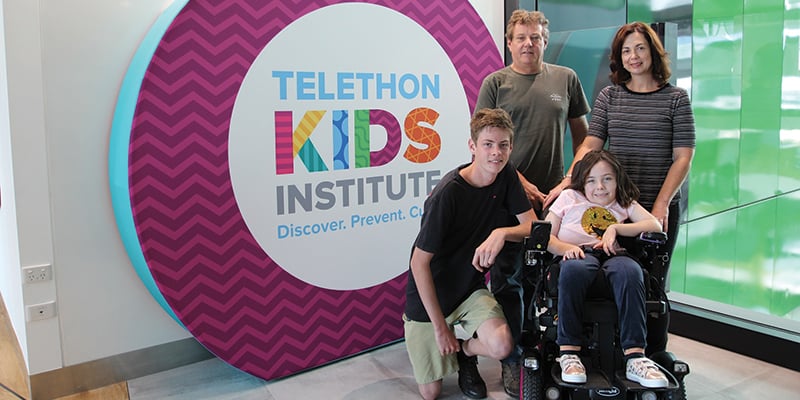
Mackenzie Crane was 10 months old when her parents, Jodie and Scott, were given the life-changing news that their daughter would never walk.
Researchers from the Telethon Institute have today been awarded $3.46 million in competitive grants and two early career fellowships from the NHMRC.
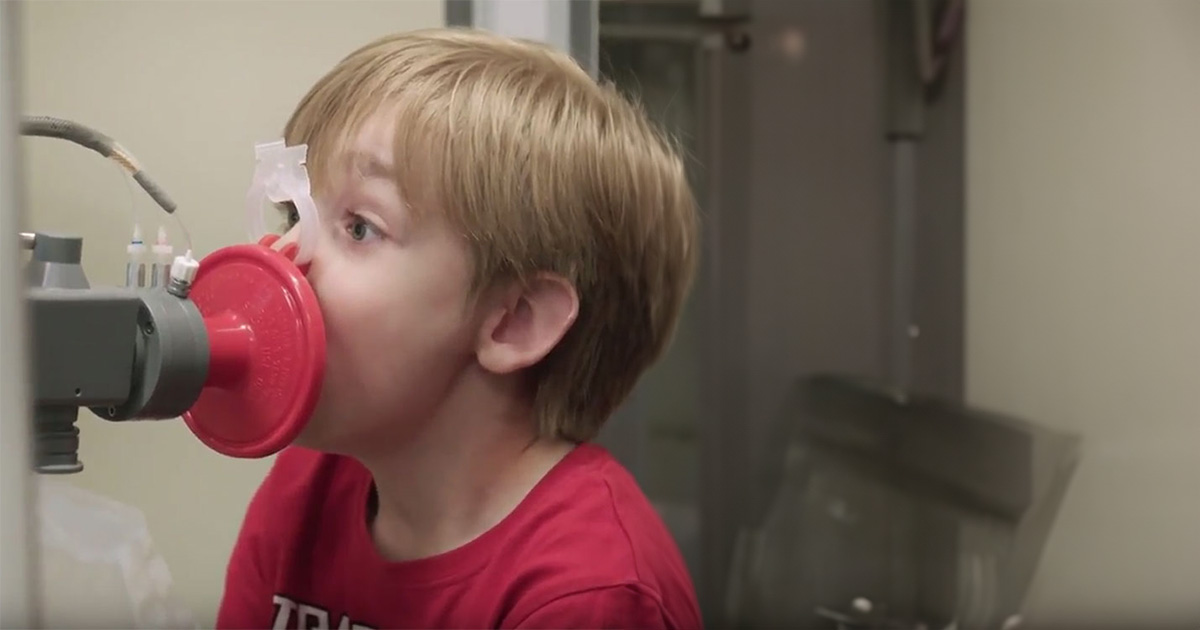
Children who live in the outer suburbs of Australia’s four biggest cities are twice as likely to have asthma as those living in inner city areas, according to a new study based on health data captured in the last Australian Census.
To estimate the levels of exposure to diesel exhaust expressed by EC in the mining industry and to describe the risk of lung cancer that may result from it.
Impetigo is a highly contagious bacterial infection of the superficial layer of skin. Impetigo is caused by group A Streptococcus (Strep A) and Staphylococcus aureus, alone or in combination, with the former predominating in many tropical climates. Strep A impetigo occurs mainly in early childhood, and the burden varies worldwide. It is an acute, self-limited disease, but many children experience frequent recurrences that make it a chronic illness in some endemic settings.