
Search
Showing results for "Childhood interstitial lung disease "
Chris Deborah Tamara Brennan-Jones Lehmann Veselinovic PhD AO, MBBS, MSc BSc(Hons) MClinAud PhD Head, Ear and Hearing Health Honorary Emeritus Fellow

New collaborative research involving almost 600,000 pregnant mothers has demonstrated a dramatic increase in uptake of the whooping cough (pertussis) vaccine after identifying just 22 per cent of WA women had the maternal vaccination between 2012 – 2017.
A surge in invasive group A streptococcal reports in Australia has prompted The Kids Research Institute Australia researchers to call for a unified national public health response, with cases tipped to increase.
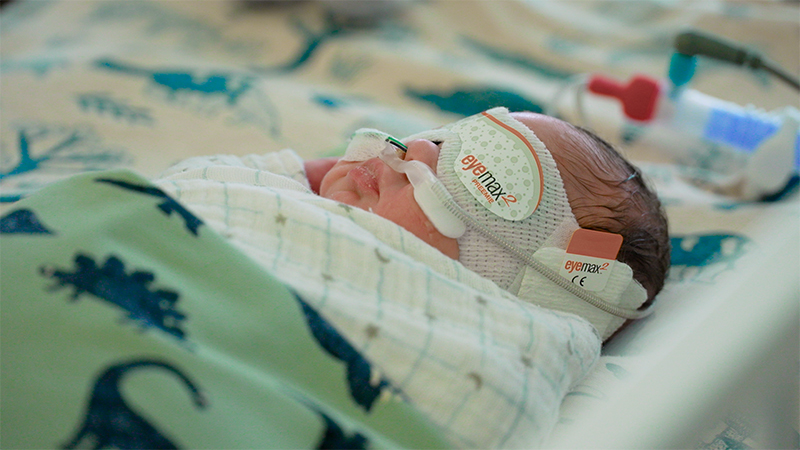
Researchers will fit nearly 500 preterm babies with tiny eye masks and earplugs for the study.

Whooping cough (pertussis) is a highly contagious respiratory infection which causes a severe cough and can be particularly dangerous to babies under a year old. Vaccination is the best way to reduce the risk of whooping cough.
The absence of a diagnostic test for acute rheumatic fever (ARF) is a major impediment in managing this serious childhood condition. ARF is an autoimmune condition triggered by infection with group A Streptococcus.
The WA Kids Cancer Centre has secured $1.1 million in funding from the Medical Research Future Fund’s (MRFF) Paediatric Brain Cancer Research Stream 2 to develop more effective and less toxic treatments for rare brain cancers in infants.

At The Kids our greatest asset is our people. We are strongly invested in the future of child medical research welcoming, nurturing, and encouraging the best and most innovative Australian and international researchers.
Rett syndrome (RTT) is a severe X-linked neurodevelopmental disorder associated with multiple neurologic impairments. Previous studies have shown challenges to the quality of life of individuals with RTT and their caregivers. However, instruments applied to quantify disease burden have not adequately captured the impact of these impairments on affected individuals and their families. Consequently, an international collaboration of stakeholders aimed at evaluating Burden of Illness in RTT was organized.
Fiona Pete Stanley Azzopardi FAA FASSA MSc MD FFPHM FAFPHM FRACP FRANZCOG HonDSc HonDUniv HonFRACGP HonMD HonFRCPCH HonLLB (honoris causa) PhD, FRACP