
Search
Showing results for "vitamin d asthma"
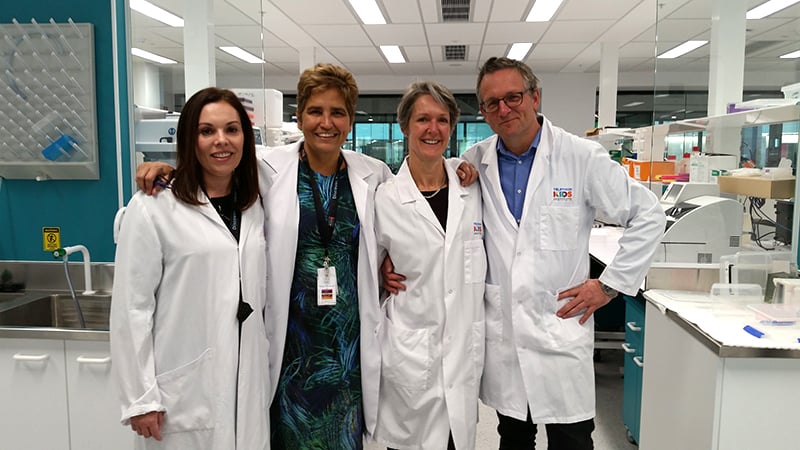
Dr Michael Mosley recently visited The Kids Research Institute Australia to talk about DOHaD and the importance of good gut health.
The aim of this study was to assess the relationship between dust levels and health in Indigenous children in Western Australia
Findings show that indicators of a poor intrauterine environment are associated with an elevated risk of ID, while for ASD, and particularly ASD without ID,...
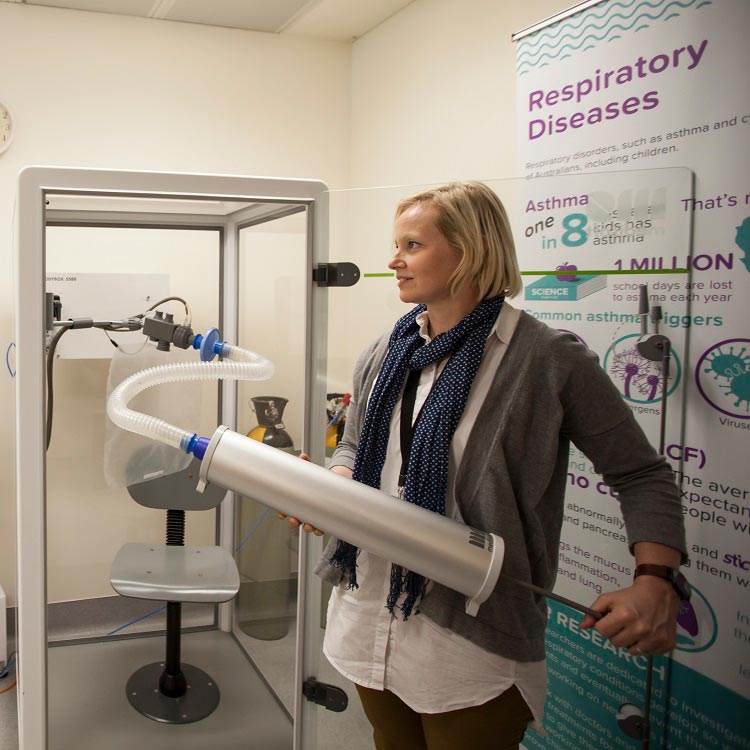
A The Kids Research Institute Australia study published in The Lancet Child & Adolescent Health has found that survivors of very preterm birth face declining lung function
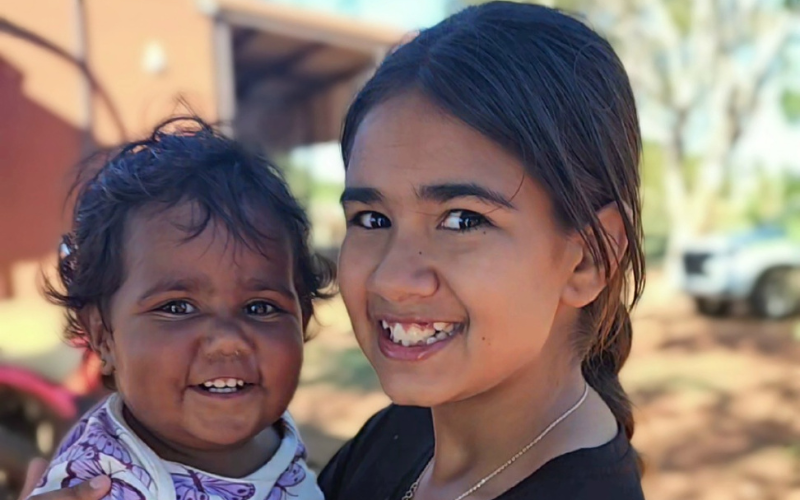
The key to improving the lung health of Aboriginal children lies in establishing strong community connections.
There is a large volume of research on the persistence of advantage and disadvantage across generations. Intergenerational studies typically address family resources as independent factors, which ignores how risks cluster together and accumulate over time.
Little attention has been given to the health status and lifestyle behaviours of expectant fathers. This study aimed to examine health-related variables in a cohort of expectant fathers to identify potential focus areas for interventions designed to optimise health and wellbeing outcomes in this group.
MECP2 duplication syndrome (MDS) is a rare, X-linked, neurodevelopmental disorder caused by a duplication of the methyl-CpG-binding protein 2 (MECP2) gene-a gene in which loss-of-function mutations lead to Rett syndrome (RTT). MDS has an estimated live birth prevalence in males of 1/150,000.
Pneumonia is a leading cause of childhood mortality with Streptococcus pneumoniae a major contributor. Pneumococcal conjugate vaccines (PCVs) have been introduced into immunisation programs in many low- to middle-income countries yet there is a paucity of data evaluating the effectiveness in these settings. We assess the effectiveness of 13-valent PCV against hypoxic pneumonia, hospitalisation and other clinical endpoints in children <5 years living in Eastern Highlands Province, Papua New Guinea).
Childhood obesity is one of the most serious public health challenges of the 21st century and is affected not only by individual choice but also by societal and environmental influences. Childhood obesity is higher in children living in regional and remote compared with major cities, in one-parent families and for those with a disability.