
Search
Showing results for "Childhood interstitial lung disease "
Invasive fungal disease (IFD) remains a common and serious complication in children treated for leukaemia. Antifungal prescription in children with leukaemia presents unique challenges, particularly due to variation in IFD risk between and within leukaemia treatment protocols, drug toxicities and interactions between antifungals and chemotherapeutic agents.
This project consists of two linked research programs, working to support malaria control and elimination using OpenMalaria: our in-house, open-source, malaria simulation tool.

Whooping cough (pertussis) is a highly contagious respiratory infection which causes a severe cough and can be particularly dangerous to babies under a year old. Vaccination is the best way to reduce the risk of whooping cough.
The absence of a diagnostic test for acute rheumatic fever (ARF) is a major impediment in managing this serious childhood condition. ARF is an autoimmune condition triggered by infection with group A Streptococcus.
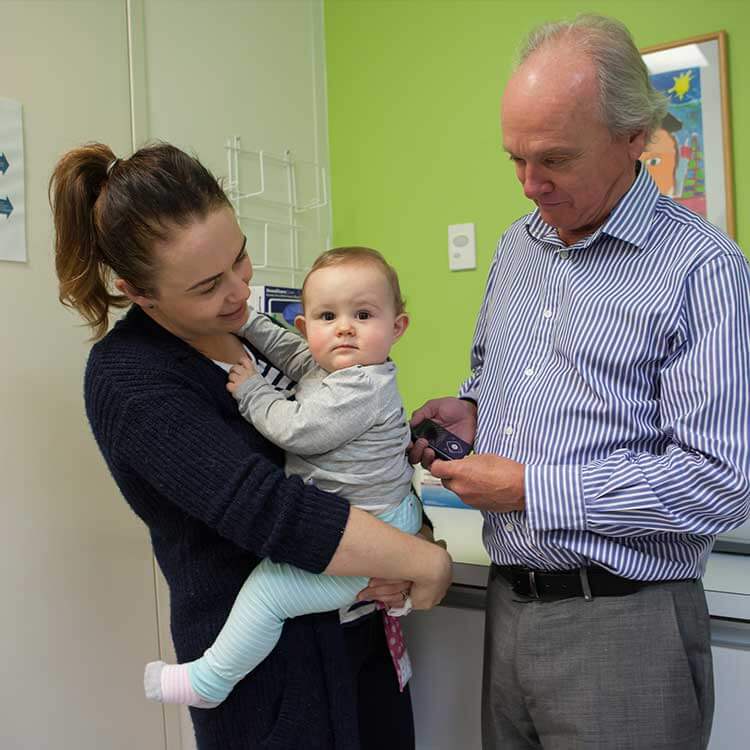
The Children's Diabetes Centre's research into Type 1 diabetes, childhood onset Type 2 diabetes and obesity aims to improve the lives of children and adolescents affected by these conditions.
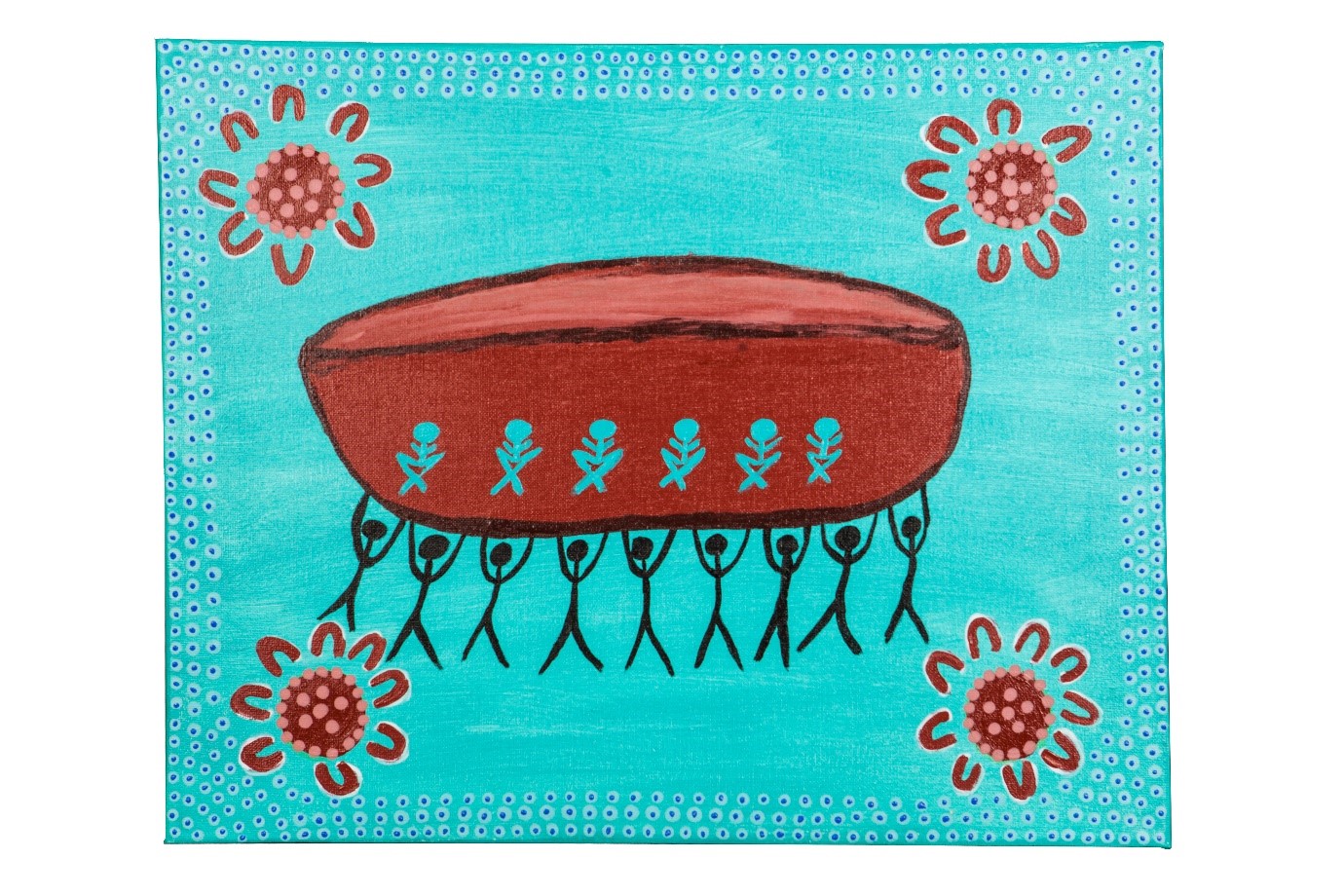
Brings the Aboriginal community(s) of Perth together with service providers & policy makers to improve outcomes for Aboriginal kids and their families.
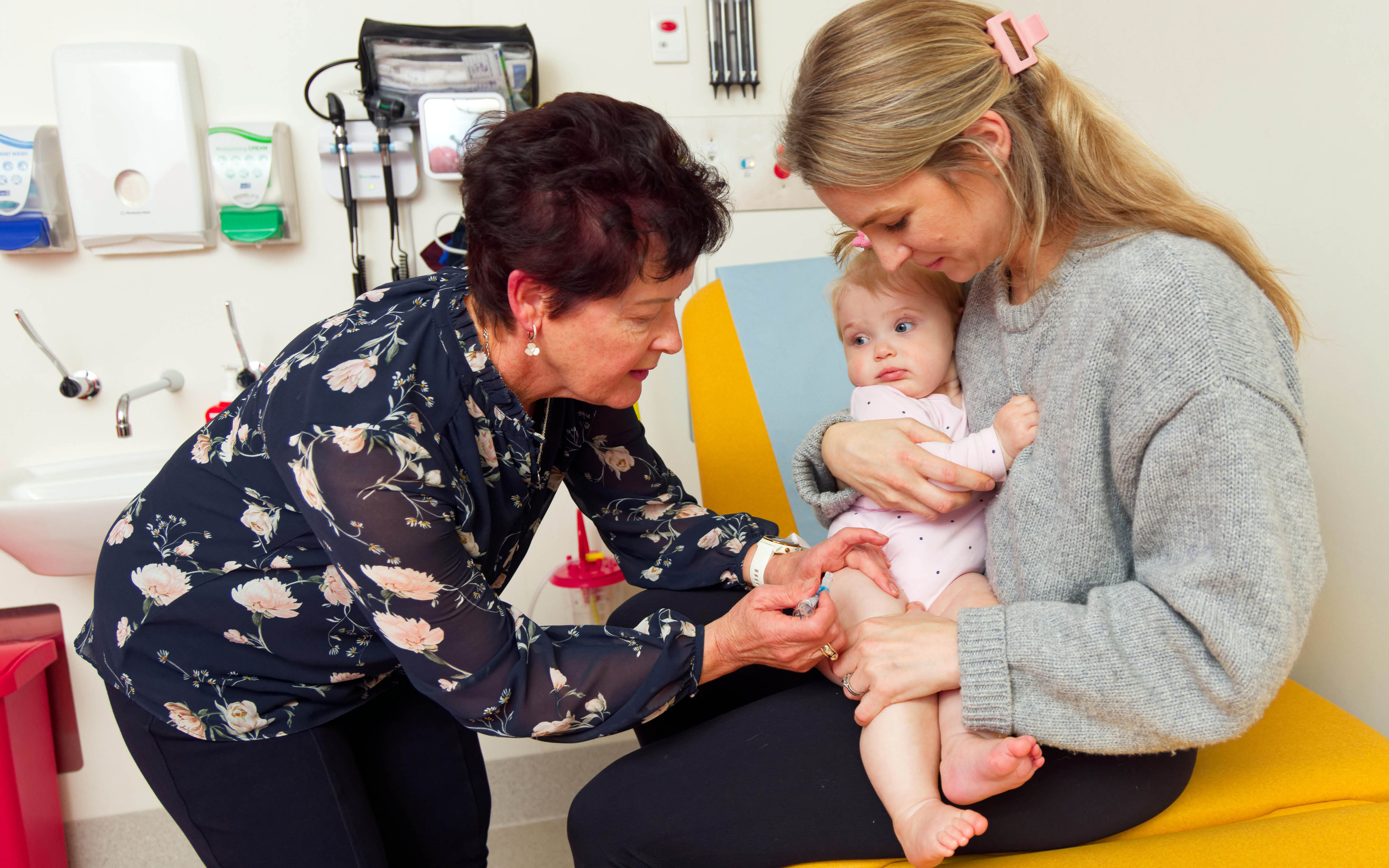
The mission of the Vaccine Trials Group is to improve the health of the community through immunisation and the prevention of infectious diseases.
Congenital cytomegalovirus (cCMV) is an important cause of long-term childhood disability. In Australia, the identification and treatment practices and the long-term clinical and neurodevelopmental outcomes of children with cCMV are unknown.
Aboriginal and Torres Strait Islander ways of knowing, being and doing have fostered physical, social, and emotional wellbeing for millenia, forming a foundation of strength and resilience. However, colonisation, systemic violence and discrimination—including the forced removal of Aboriginal and Torres Strait Islander children, which continues today—have disrupted this foundation, leading to compounding cycles of intergenerational and complex trauma.
Fiona Stanley FAA FASSA MSc MD FFPHM FAFPHM FRACP FRANZCOG HonDSc HonDUniv HonFRACGP HonMD HonFRCPCH HonLLB (honoris causa) Patron 08 6319 1176