
Search
Showing results for "clinical trials"
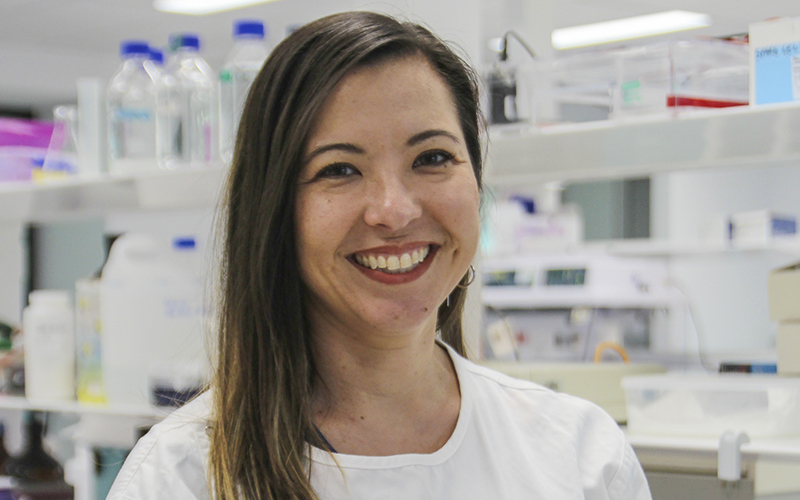
The Kids Research Institute Australia researcher, Dr Raelene Endersby, will work to develop less toxic treatments for children with brain cancer, thanks to support from Cancer Council WA.

An international research team led by The Kids Research Institute Australia has been awarded a $5 million Synergy Grant by the NHMRC.
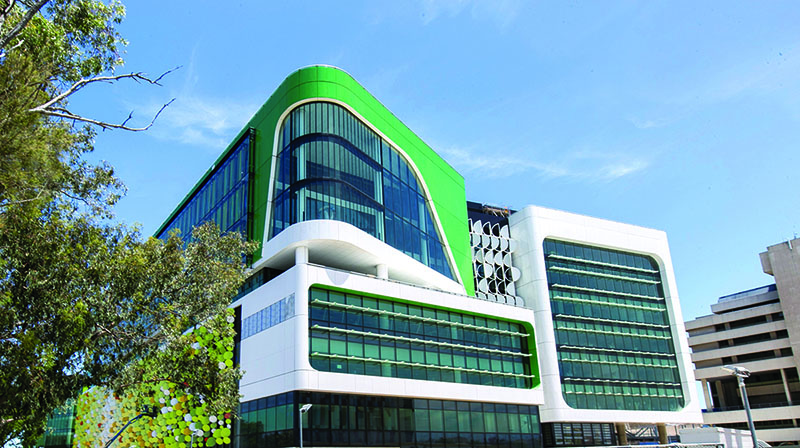
The Kids Research Institute Australia researchers have been awarded nearly $8.5 million from the National Health and Medical Research Council.
A report outlining key steps to tackle a common and aggressive childhood brain tumor is gaining rapid momentum after attracting international attention.
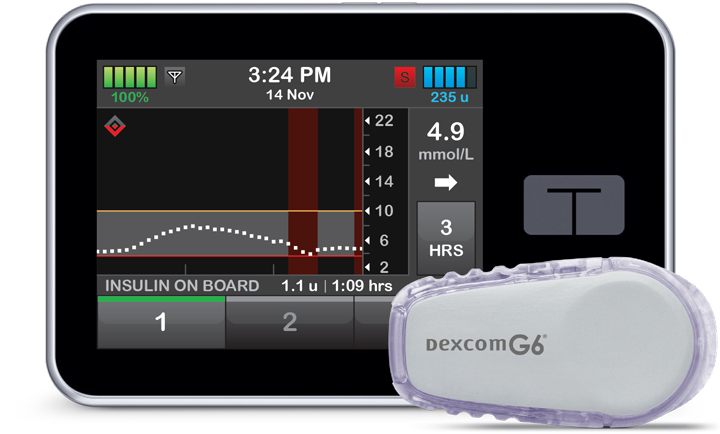
Control IQ (CIQ) is an advanced hybrid closed loop system designed to ease the burden and stress involved in the daily decision making around diabetes management.
Stopping Acute Rheumatic Fever Infections to Strengthen Health
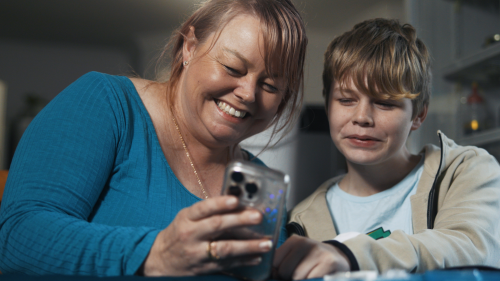
Innovative new digital platform set to transform diabetes care for WA families.
Coming up in 2021 Contact us We have a a study to suit every age range in 2021! From babies at just six weeks for the FluBub Study, through to
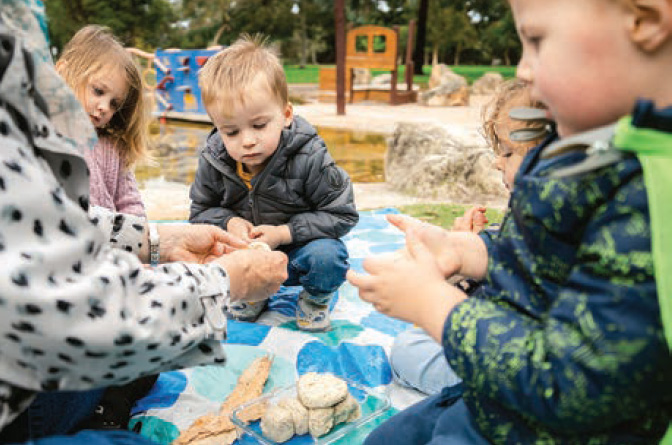
The ORIGINS Project is a decade-long longitudinal study of more than 18,000 individuals including mothers, partners and children, as part of a collaboration between The Kids Research Institute Australia and Joondalup Health Campus.
In Australia, accurate case ascertainment of acute rheumatic fever (ARF) and rheumatic heart disease (RHD) diagnoses for disease surveillance and control purposes requires the use of multiple data sources, including RHD registers and hospitalisation records. Despite drawing on multiple data sources, the true burden of ARF/RHD is likely to be underestimated.