
Search
Showing results for "early lung health"

Four outstanding The Kids Research Institute Australia researchers, including Institute Director, Professor Jonathan Carapetis AM, have been named finalists in the 2021 Western Australian of the Year Awards.

Principal Research Fellow
There is no known risk-free level of alcohol use in pregnancy. Despite this, many still believe that occasional drinking is safe. To-date, there is limited evidence of the influences on women's decisions about low to moderate alcohol use in pregnancy.
Planetary health is a broad multidisciplinary effort that attempts to address what has been described as “Anthropocene Syndrome”—the wicked, interrelated challenges of our time. These include, but are not limited to, grotesque biodiversity losses, climate change, environmental degradation, resource depletion, the global burden of non-communicable diseases (NCDs), health inequalities, social injustices, erosion of wisdom and civility, together with the many structural underpinnings of these grand challenges.
Eating a regular, healthy breakfast is required to support good health, wellbeing and development throughout childhood and adolescence.
Language development is critical for children's life chances. Promoting parent-child interactions is suggested as one mechanism to support language development in the early years. However, limited evidence exists for a causal effect of parent-child interactions on children's language development.
The objective of this study was to explore Australian children's engagement in physical activity and screen time while being cared for by their grandparents.
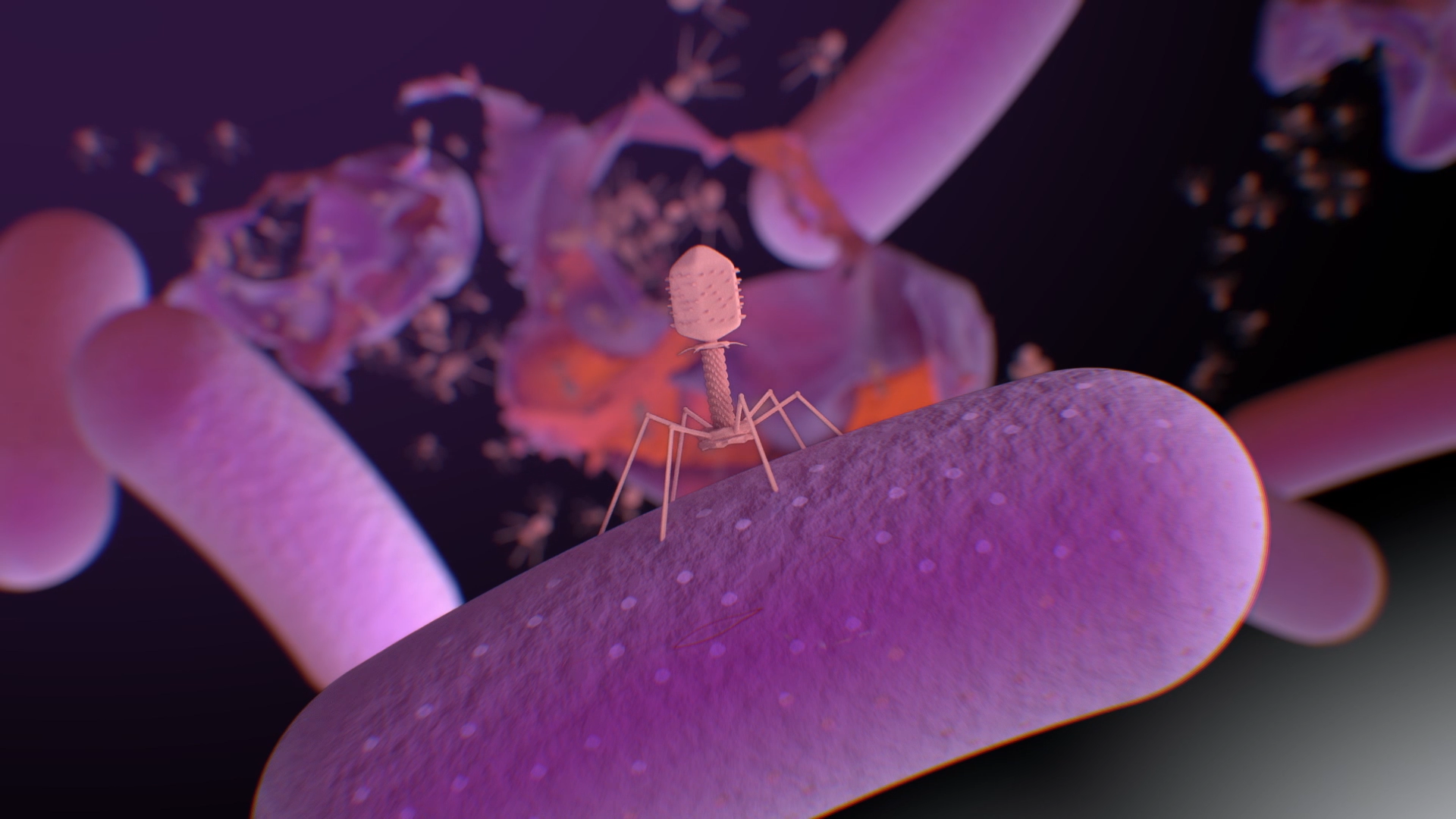
Phage WA have a number of projects underway and these cover a broad range of phage research areas.
Yasmin Harman-Smith BA, BHlthSc(Hons), MTeach(Primary), PhD Head, Early Years Systems Evidence Yasmin.harman-smith@thekids.org.au Head, Early Years
Asthma exacerbations in children are associated with respiratory viral infection and atopy, resulting in systemic immune activation and infiltration of immune cells into the airways. The gene networks driving the immune activation and subsequent migration of immune cells into the airways remains incompletely understood. Cellular and molecular profiling of PBMC was employed on paired samples obtained from atopic asthmatic children during acute virus-associated exacerbations and later during convalescence.