
Search
Showing results for "Childhood interstitial lung disease "

A collaboration between The Kids Research Institute Australia and Joondalup Health Campus is poised to be a game-changer for early childhood development.
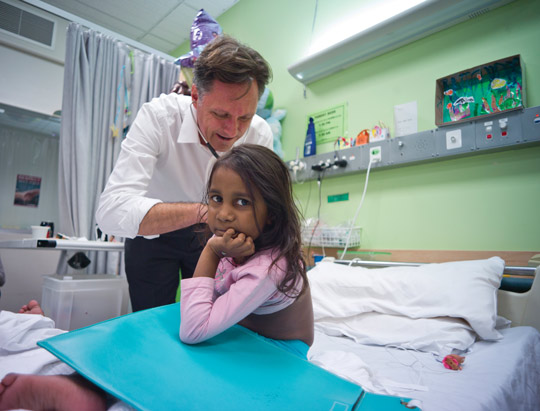
Researchers from The Kids Research Institute Australia are sharing expertise and knowledge to end rheumatic heart disease in this country.
Early life is a key period that determines long-term health. Lung development in childhood predicts lung function attained in adulthood and morbidity and mortality across the life course. We aimed to assess the effect of early-life lower respiratory tract infection (LRTI) and associated risk factors on lung development from birth to school age in a South African birth cohort.
To evaluate current ILF testing practices and to survey users regarding the indications, limitations and perceived clinical benefits of ILF testing.
In Australia, cancer medicine is increasingly guided by our expanding knowledge of cancer genomics (the study of genetic information) and biology. Personalized treatments and targets are often defined by an individual’s genetic profile—known as precision cancer medicine. The translation of genomics-guided precision therapeutics from bench to bedside is beginning to produce real clinical benefits for Australians living with cancer.
A national study is investigating diet, chemical exposure and genetic factors in a new bid to unravel the causes of childhood leukaemia.
West Australian families are being asked to play a vital role in a major new national study to unravel the causes of childhood leukaemia.
Lung airflow measurements track from birth into early adulthood, suggesting a permanent and stable airway framework is laid down in the antenatal period
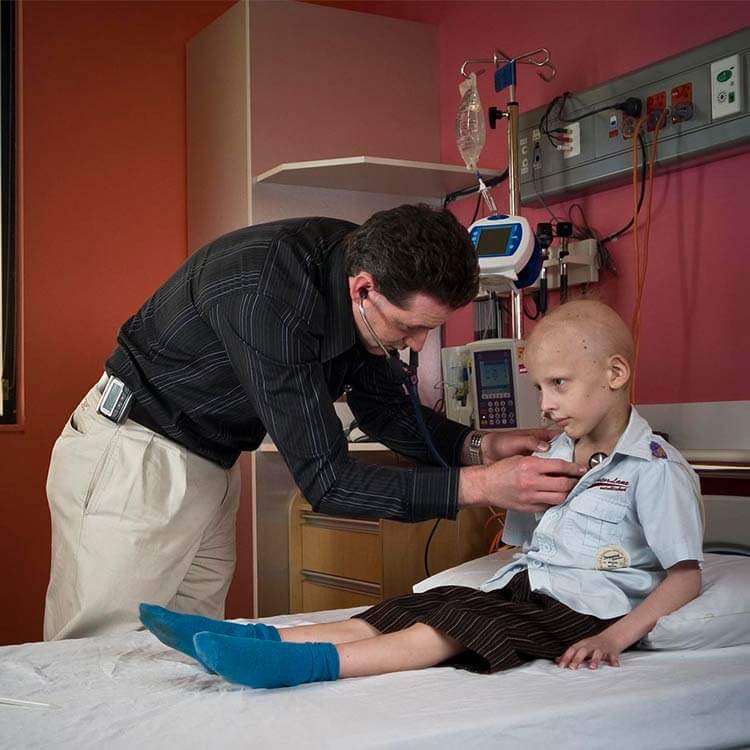
It is the kids he treats in his role as a paediatric oncologist that motivate Dr Nick Gottardo in his work as a The Kids Research Institute Australia cancer researcher.
This paper examines whether a Vitamin D deficiency during pregnancy affects the child's lung function predisposition towards lung disease such as asthma.