
Search
Children globally have been profoundly impacted by the coronavirus disease 2019 (COVID-19) pandemic. This review explores the direct and indirect public health impacts of COVID-19 on children. We discuss in detail the transmission dynamics, vaccination strategies and, importantly, the ‘shadow pandemic’, encompassing underappreciated indirect impacts of the pandemic on children.
The global disruption of the COVID-19 pandemic has impacted the life of every child either directly or indirectly. This review explores the pathophysiology, immune response, clinical presentation and treatment of COVID-19 in children, summarising the most up-to-date data including recent developments regarding variants of concern.
Between January 2022 and December 2023, there were 1,827 bloodstream infection (BSI) isolates in 1,745 children and adolescents reported to the Australian Group on Antimicrobial Resistance (AGAR) surveillance outcome programs, with 40% of episodes in children aged < 12 months.
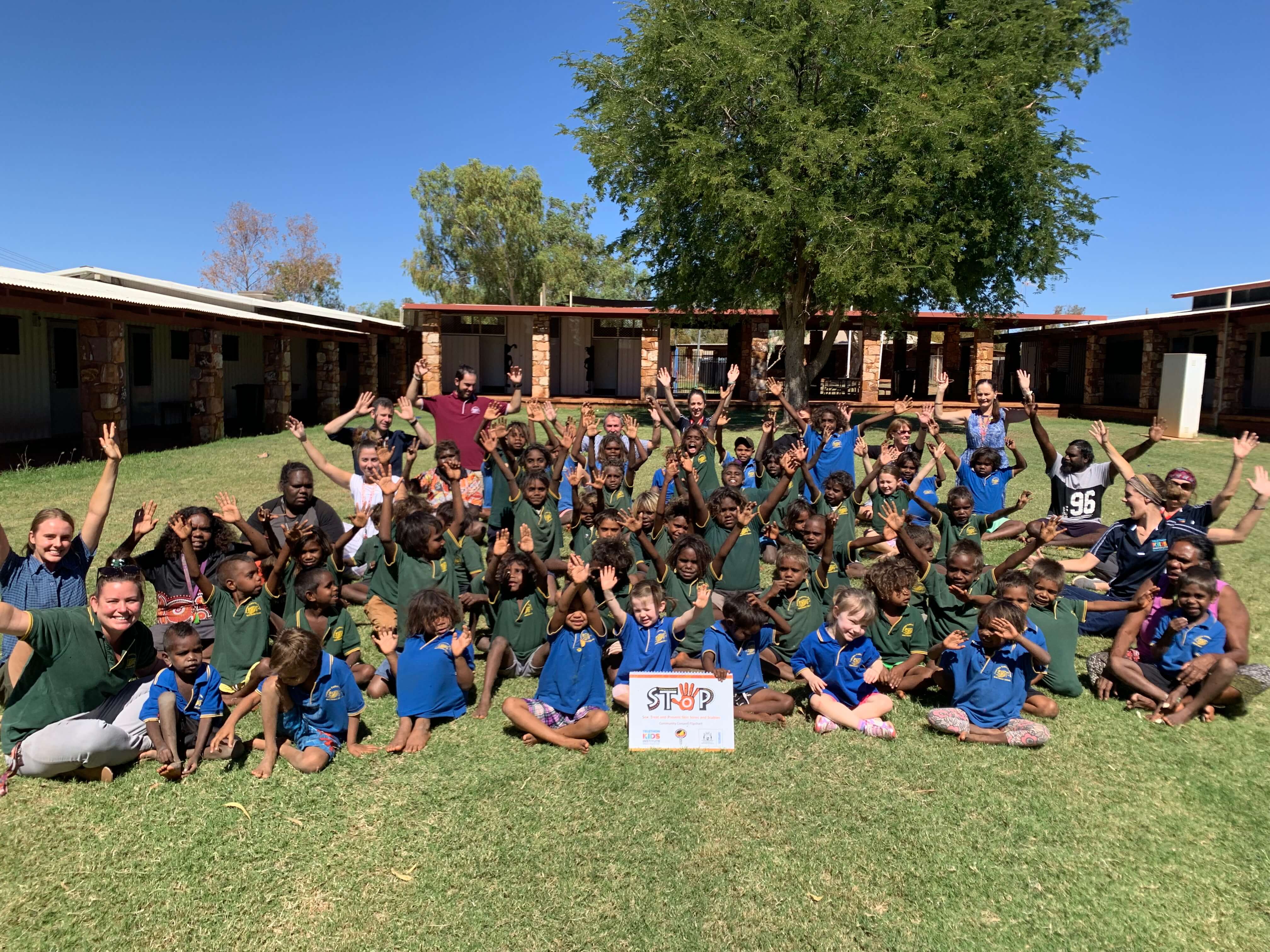
Aboriginal community members throughout the Kimberley will take a lead role in driving healthy skin messages within their own communities thanks to a major funding boost to The Kids Research Institute Australia’s SToP Trial.
From 1 January 2020 to 31 December 2021, thirty-eight institutions across Australia submitted data to the Australian Group on Antimicrobial Resistance (AGAR) from patients aged < 18 years (AGAR-Kids). Over the two years, 1,679 isolates were reported from 1,611 patients. This AGAR-Kids report aims to describe the population of children and adolescents with bacteraemia reported to AGAR and the proportion of resistant isolates.
Rising proportions of antimicrobial resistance (AMR) have been observed in both Staphylococcus aureus and Enterococcus spp. isolates.