
Search
Showing results for "1"
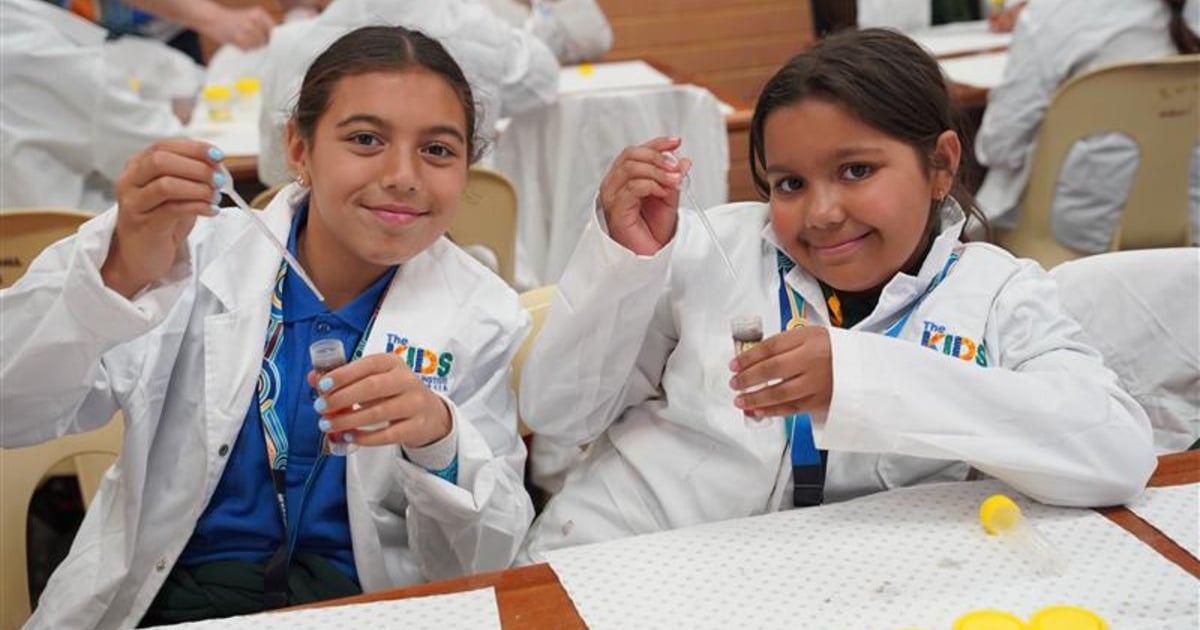
The Kids Research Institute Australia is returning to Kalgoorlie on 20 and 21 May 2026 to host its second STEM Festival and set off a chain-reaction of fun, with two idea-fuelled days of activities planned for local children and families
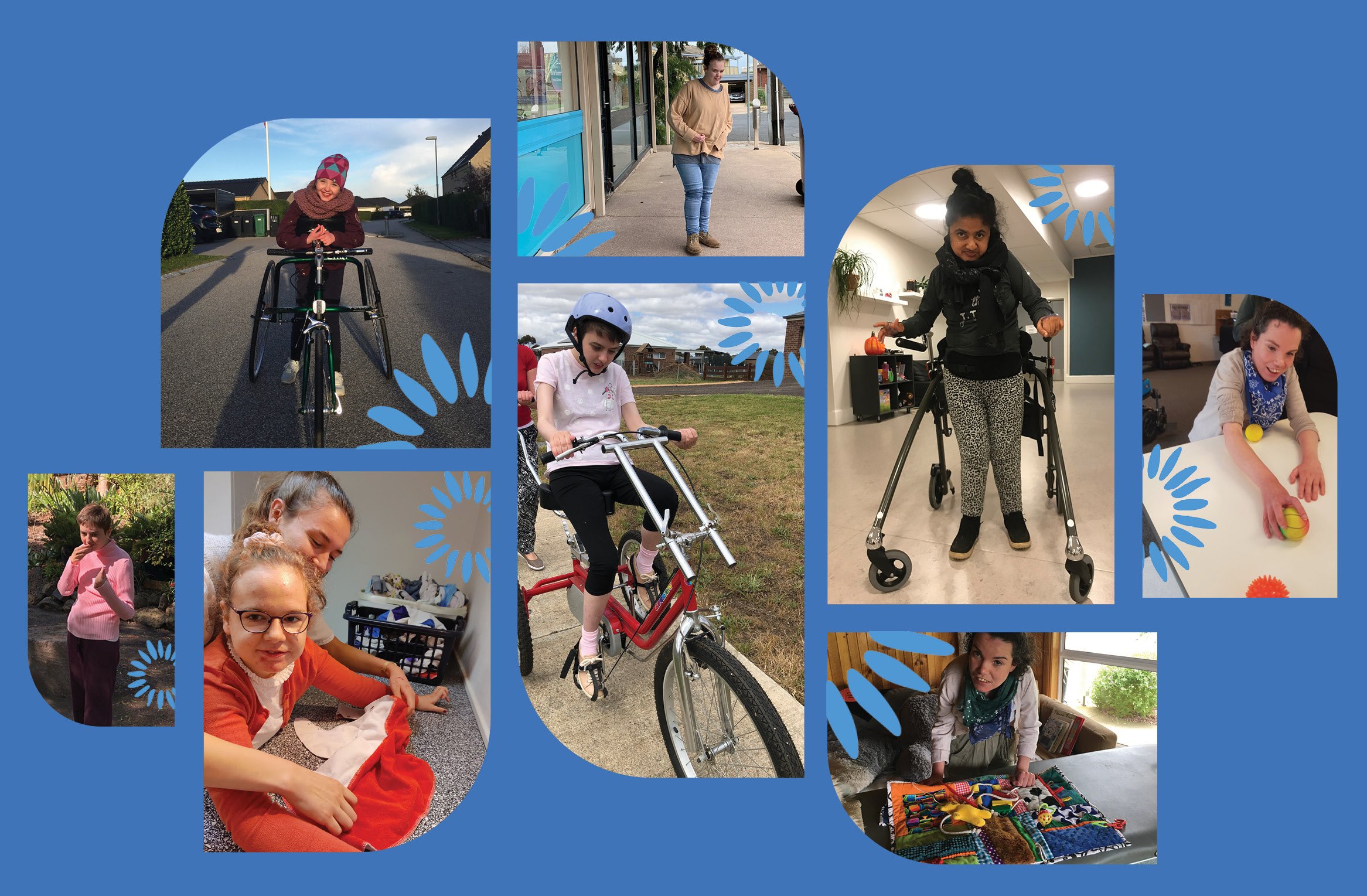
Learn about the importance of routines in enhancing uptime for children with Rett Syndrome, nurturing their engagement and fostering meaningful activities.
Help us discover a way to expand protection for the next generation.
The Wesfarmers Centre is pleased to announce the successful recipients for the 2018 Round 2 Seed Funding Grants. The Wesfarmers Centre Scientific

A unique national platform delivering faster research at scale to improve the health, wellbeing and equity of children and their parents across Australia
In a sunny country such as Australia, it’s important to identify how to achieve the right amount of sun exposure for good health. We need to be able to harness the benefits of vitamin D and sunlight while remaining protected from the proven dangers of too much UV radiation.
To evaluate whether the General Movement Assessment in infancy is associated with later cognitive outcomes from early childhood through adulthood.
Prebiotic dietary supplementation has been shown to improve glucose homeostasis in type 2 diabetes patients. The aim of this analysis was to determine whether pre-pregnancy body mass index (BMI) modifies the effect of prebiotic supplementation from mid-pregnancy on reducing the risk of gestational diabetes mellitus
Tuberculosis (TB) remains a major public health challenge in Ethiopia, despite being a preventable disease. TB preventive treatment (TPT) is a critical intervention to prevent the progression from latent TB infection to active disease, particularly among household contacts of TB patients and people living with HIV due to weakened immunity. However, the initiation and completion rates of TPT at subnational and local levels have not been thoroughly investigated. This study aims to map facility-based TPT initiation and completion rates among household contacts of TB across Ethiopia.
Human milk is a rich source of immunomodulatory factors that influence the development of the infant immune system, including susceptibility to allergic diseases. Among these components, milk antibodies have been extensively studied for their role in protecting against infections; however, their potential contribution to allergy prevention may be equally important. The mechanisms of protection include allergen exclusion, enhanced and targeted antigen presentation, immune modulation via shaping of the infant gut microbiome, and direct regulation of gut immune responses.