
Search
Showing results for "clinical trials"
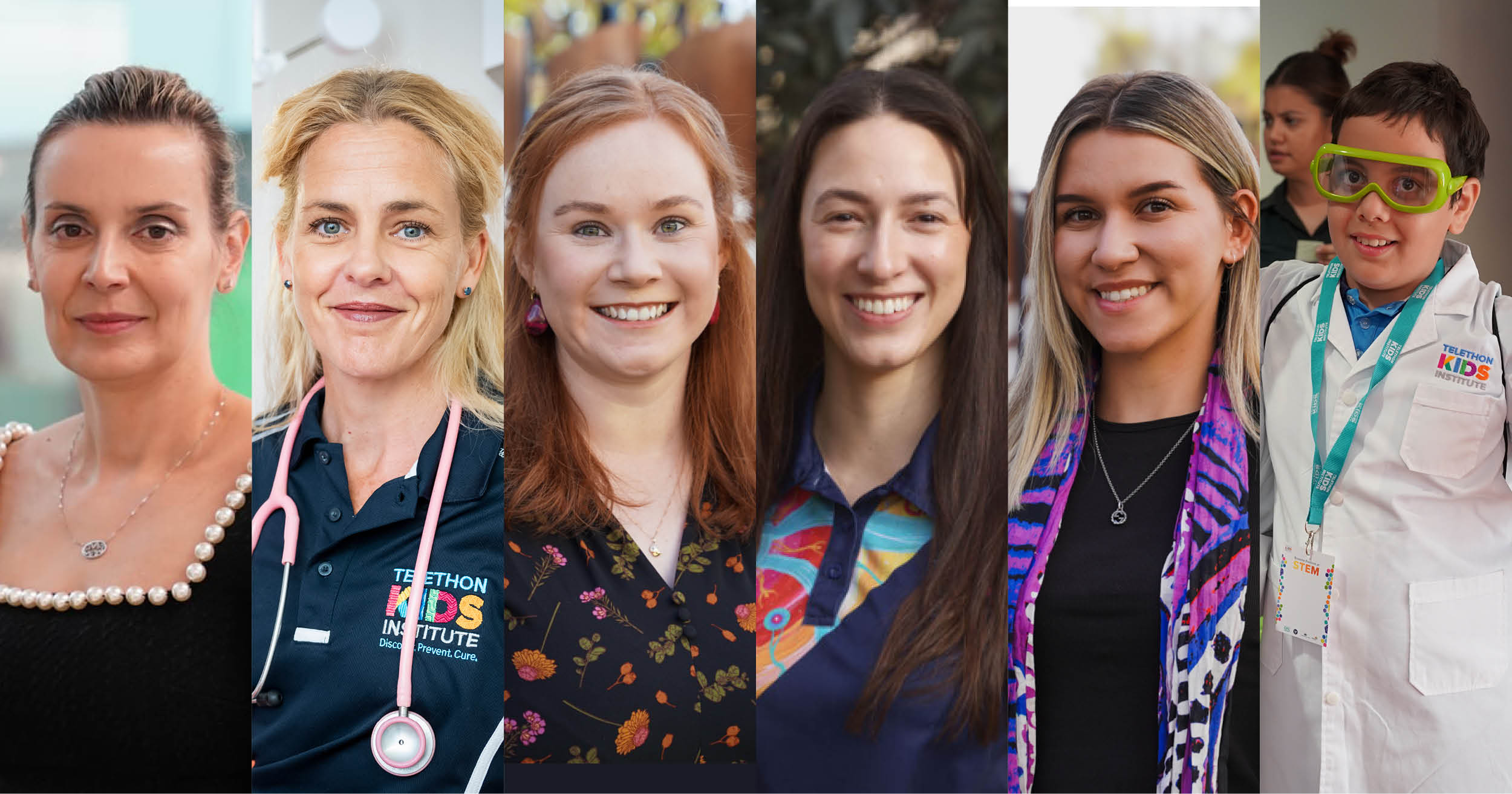
Five The Kids Research Institute Australia researchers and a popular Institute-led science festival for kids have been named as finalists in the 2024 Premier’s Science Awards.

Two researchers focused on improving outcomes for children with chronic lung disease and averting suicide contagion and suicide clusters in young people have won prestigious Investigator Grants from the National Health and Medical Research Council.
A wet cough in a child for more than four weeks could indicate infection in the lungs. The wet cough is caused by mucus in the airway. The mucus becomes infected with bacteria and causes airway inflammation that can progress to permanent lung damage known as bronchiectasis.
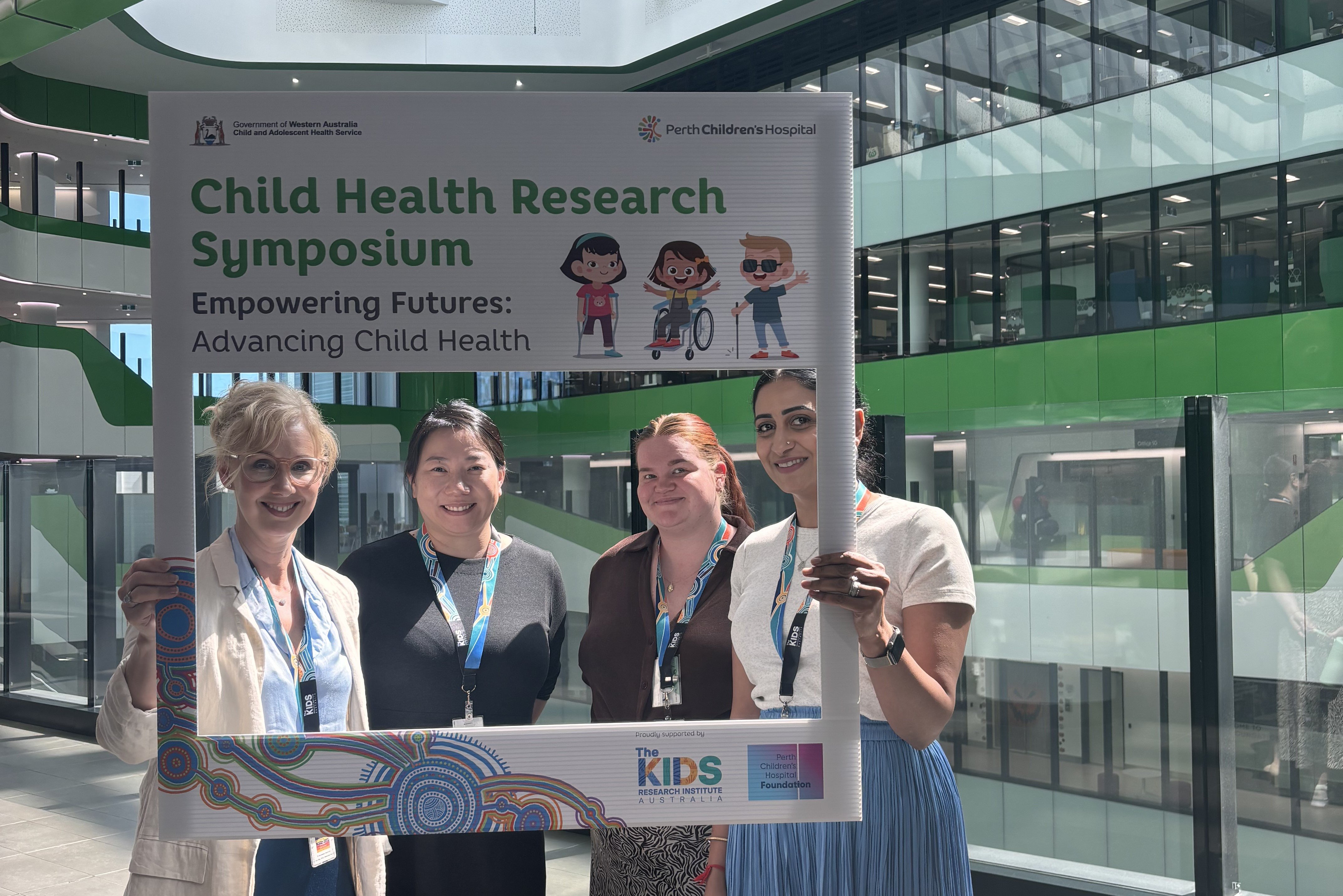
ORIGINS featured heavily at this years Child and Adolescent Health Services (CAHS) Symposium, with presentations from our Co-Director, Professor Desiree Silva, and ORIGINS Data Manager, Dr Sarah Whalan.
Role for CD103 in the pathogenesis of experimental allergic airways disease in BALB/c mice through local control of CD4+ T cell and DC subset recruitment
Develop evidence-based recommendations about the use of prebiotics in the prevention of allergy
We tested whether there is a causal association between vitamin D deficiency, airway smooth muscle (ASM) mass, and the development of airway hyperresponsiveness
Our findings highlight the need to consider age, ethnicity, seasonality and climate when evaluating rotavirus vaccine programs.
In summary, UV-BMDCs do not express the classical phenotypic or gene expression properties of DCs reported by others as 'regulatory' or 'tolerogenic'.
To investigate the immune capabilities of peripheral tissue DCs generated in vivo from the BM of UV-irradiated mice, chimeric mice were established.