
Search
Showing results for "Childhood interstitial lung disease "
Asthma and chronic obstructive pulmonary disease (COPD) are common chronic respiratory diseases, and some patients have overlapping disease features, termed asthma-COPD overlap. Patients characterized with ACO have increased disease severity; however, the mechanisms driving this have not been widely studied.

Researchers from The Kids Research Institute Australia will share in almost $4 million in grants to continue groundbreaking research to tackle childhood cancer, asthma, respiratory viral infections and more.
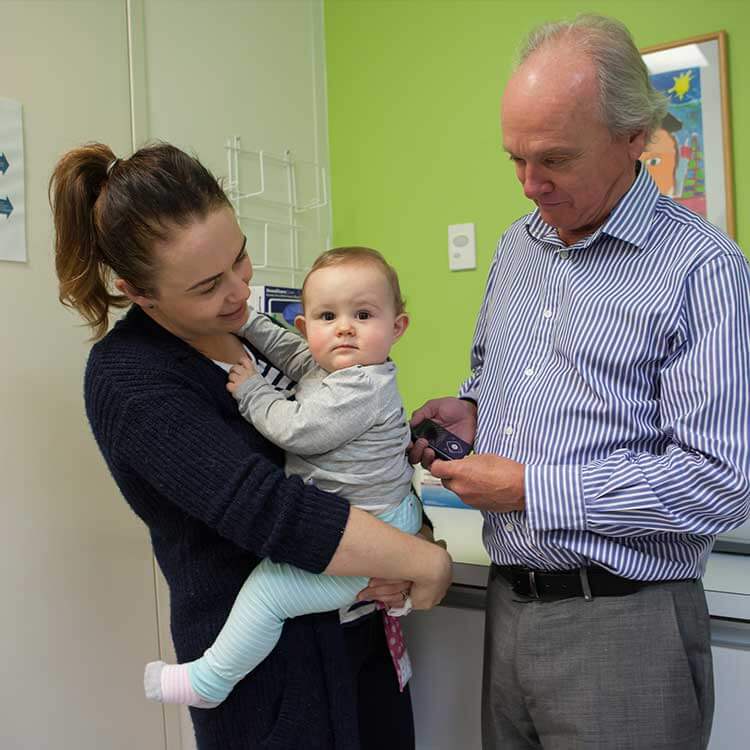
The Children's Diabetes Centre's research into Type 1 diabetes, childhood onset Type 2 diabetes and obesity aims to improve the lives of children and adolescents affected by these conditions.
Radiation therapy is an essential component of brain cancer treatment. However, the high doses currently required are extremely damaging to the growing brains and bodies of children.
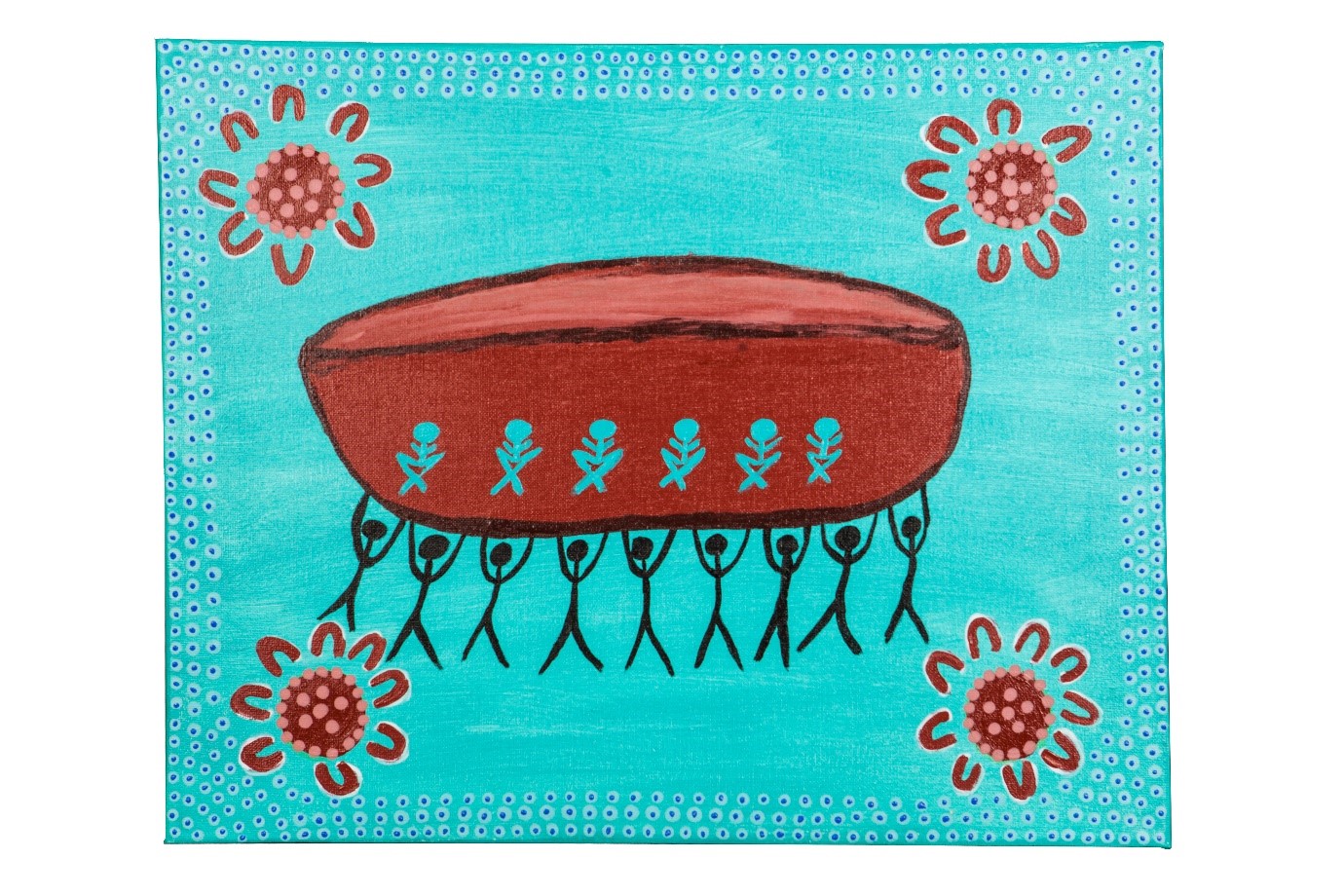
Brings the Aboriginal community(s) of Perth together with service providers & policy makers to improve outcomes for Aboriginal kids and their families.
The airway mucosal epithelium is the main gateway of entry for numerous human respiratory viruses, including human influenza virus, respiratory syncytial virus, coronavirus, and rhinoviruses. For respiratory viruses to perpetuate infection, they must be able to traverse the airway mucosal epithelium and then spread into distal sites of the respiratory tract and lung parenchyma.
Obesity is a contributing factor to asthma severity; while it has long been understood that obesity is related to greater asthma burden, the mechanisms though which this occurs have not been fully elucidated. One common explanation is that obesity mechanically reduces lung volume through accumulation of adipose tissue external to the thoracic cavity.

Project Manager, Respiratory Health
We are studying immune cells from identical twins of which one suffers and one does not suffer from allergic disease to identify specific mechanisms that may play important roles in disease development.
A non-progressive motor disability due to damage of the developing brain, this is the most common physical disability in childhood. Affecting about one in 500 babies, it is frequently accompanied by other neurological impairments, such as intellectual or sensory.