
Search
Showing results for "Childhood interstitial lung disease "
To investigate changes in trapped air volume and distribution over time and compare computed tomography (CT) with pulmonary function tests for determining...
We explore the contemporary landscape of housing investments and initiatives seeking to improve health outcomes among Aboriginal and Torres Strait Islander people in Australia, as well as the dearth of quality evidence and agreed approaches to evaluation.
Childhood obesity creates a predisposition to develop adult hypertension and diabetes.
Our findings demonstrate surface charge as a key parameter determining particle uptake by APC
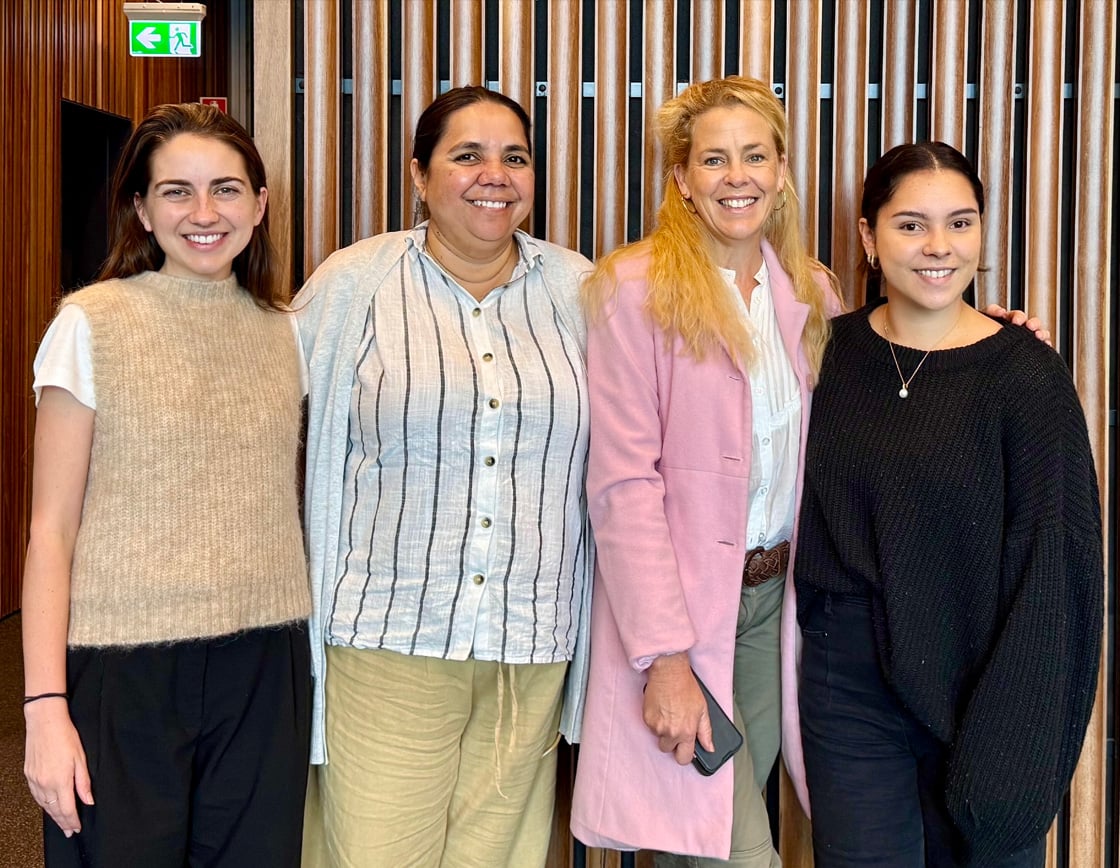
Inviting expressions of interest for the INSPIRE Consumer Reference Group (CRG) of WA – a group for the Aboriginal Children’s Excellent (ACE) Lung Health studies.
Cancers in children are very different from cancers in adults - in most cases they appear to strike simply at random. They also develop differently and can spread more rapidly and aggressively. And because cancers in children are not obviously linked to their lifestyles, much work is needed to pinpoint their cause.
A lifelong auto-immune condition that can affect anyone, but is most commonly diagnosed in childhood.
To assess parental awareness of respiratory syncytial virus (RSV) and the level of acceptance of future RSV prevention strategies. A cross-sectional online survey was implemented targeting "future" and "current" parents of children aged ≤5 years in Australia.
Invasive fungal disease (IFD) remains a common and serious complication in children treated for leukaemia. Antifungal prescription in children with leukaemia presents unique challenges, particularly due to variation in IFD risk between and within leukaemia treatment protocols, drug toxicities and interactions between antifungals and chemotherapeutic agents.
Including immediate implications for pregnancy complications, increasing evidence implicates maternal obesity having a major impact on long term child health.