
Search
Showing results for "clinical trials"
Acute lymphoblastic leukemia (ALL) is the commonest childhood malignancy in Australian children
The Western Australian Influenza Vaccine Effectiveness study commenced in 2008 to evaluate a new program to provide free influenza vaccine to all children...
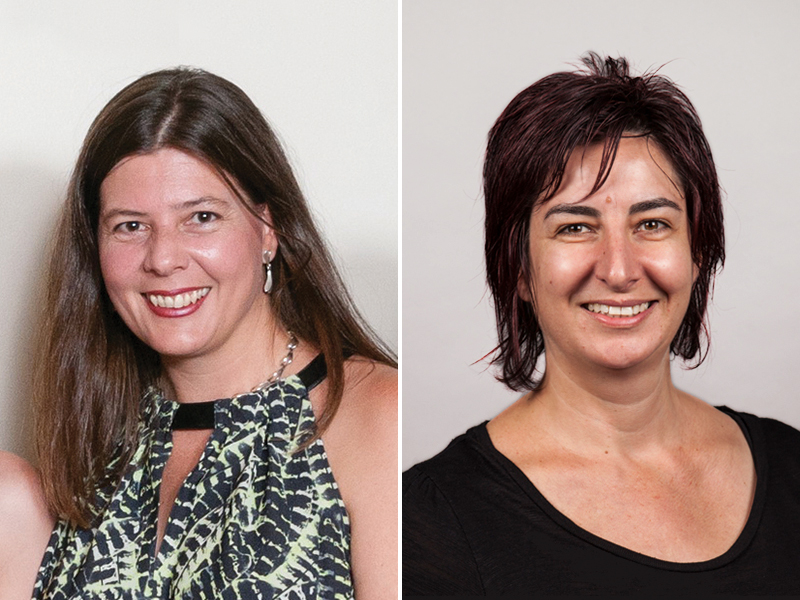
Two leading The Kids Research Institute Australia researchers will use more than $1.1 million in National Health and Medical Research Council funding to improve outcomes for some of the world’s most vulnerable children and young people.
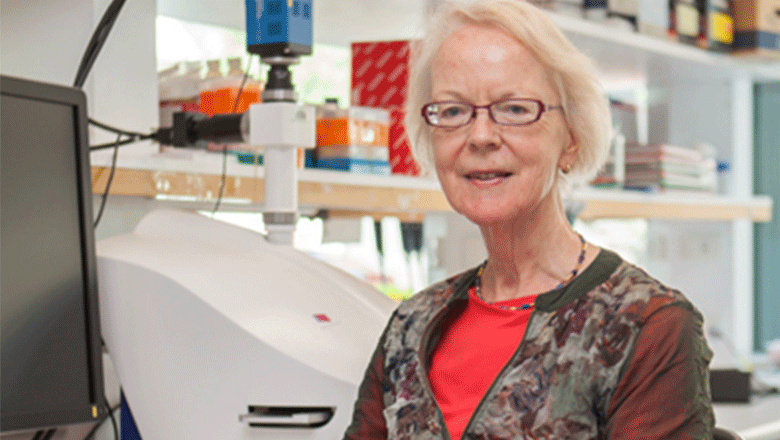
Researchers at The Kids Research Institute Australia have discovered a new drug combination that could help improve survival rates for babies with leukaemia.

After 20 years at the Institute, Hannah’s career has been a whirlwind of discovery and dedication.
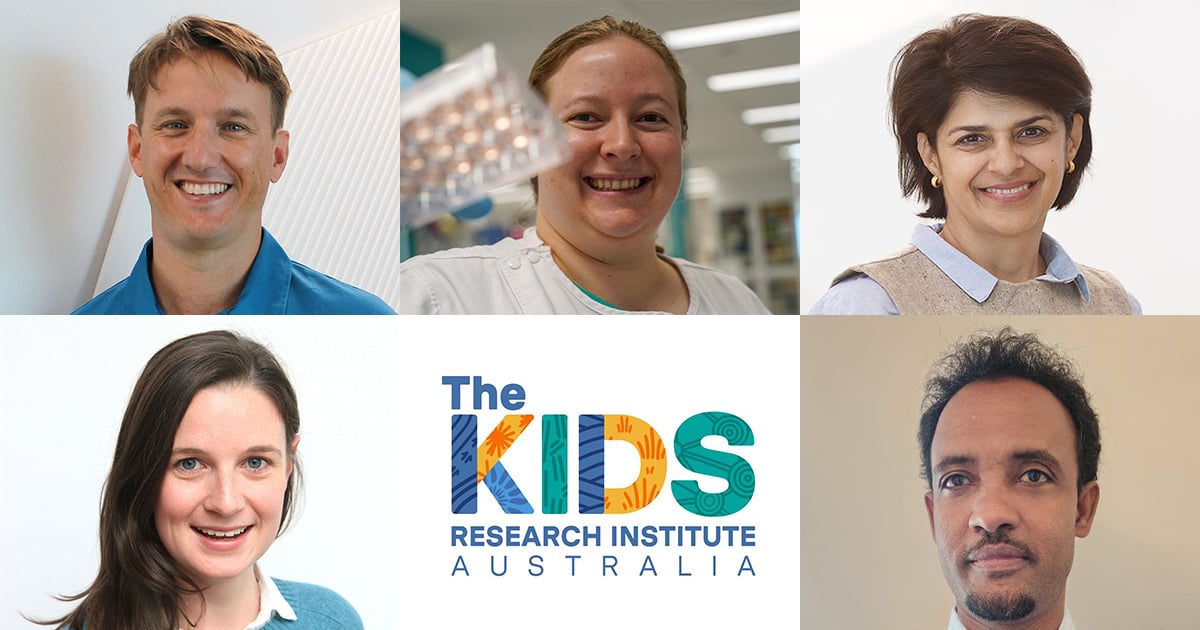
Five researchers from The Kids Research Institute Australia have secured vital funding support through the WA Near Miss Awards, allowing them to continue innovative health projects that narrowly missed out on national funding.
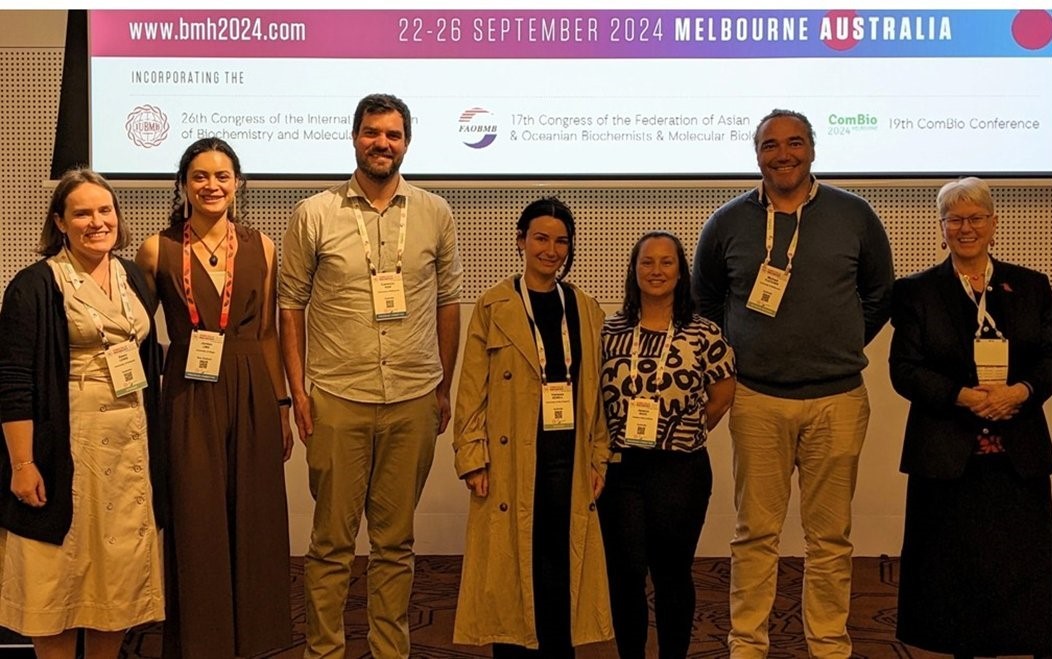
Dr Jessica Buck, a researcher at The Kids Research Institute Australia Cancer Centre and a Kamilaroi woman, is on a mission to address the unique challenges faced by Aboriginal and Torres Strait Islander children with cancer.
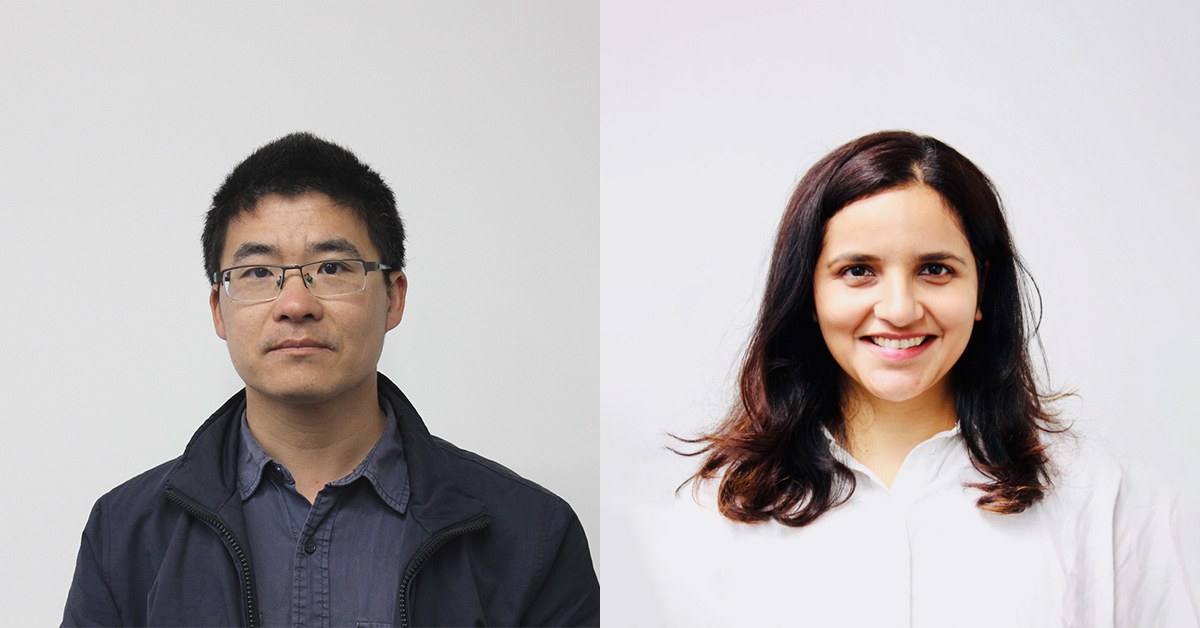
Two The Kids Research Institute Australia researchers have been awarded prestigious grants from the Raine Medical Research Foundation for projects in childhood cancer and newborn infection control.
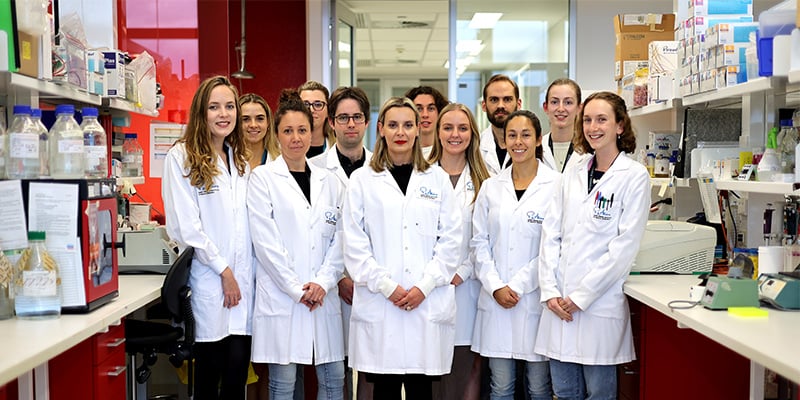
Aleksandra Filipovska has been elected a Fellow of the Australian Academy of Health and Medical Sciences.

A The Kids Research Institute Australia PhD student has been awarded Western Australia’s only 2022 postgraduate scholarship by the National Health and Medical Research Council