
Search
Showing results for "clinical trials"
The immunological mechanisms that contribute to multiple sclerosis (MS) differ between males and females. Females are 2-3 times more likely to develop MS compared to males, however the reason for this discrepancy is unknown. Once MS is established, there is a more inflammatory yet milder form of disease in females whereas males generally suffer from more severe disease and faster progression, neural degradation, and disability.
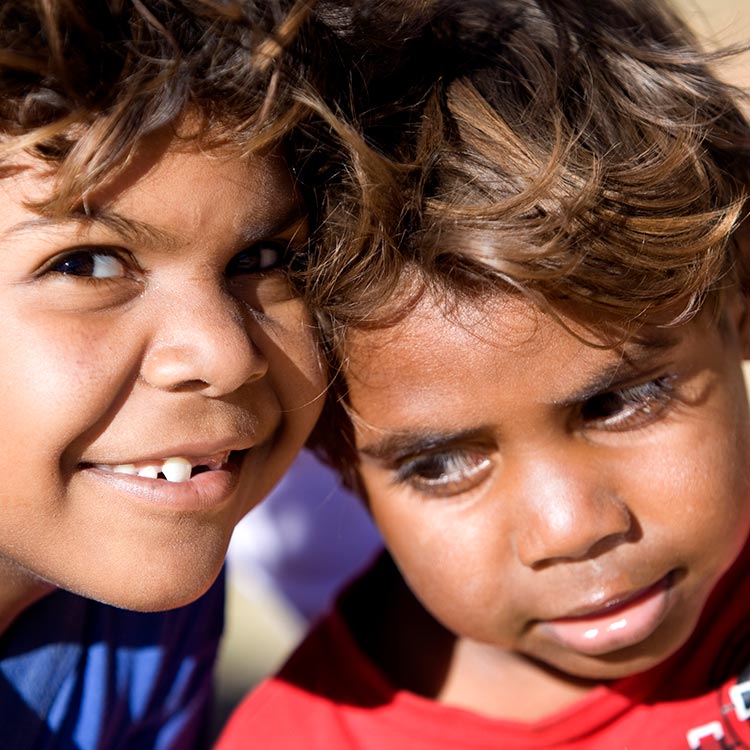
A $6 million commitment from Wesfarmers to Telethon will fund vital research to reduce the impact of chronic ear infections and other serious diseases.
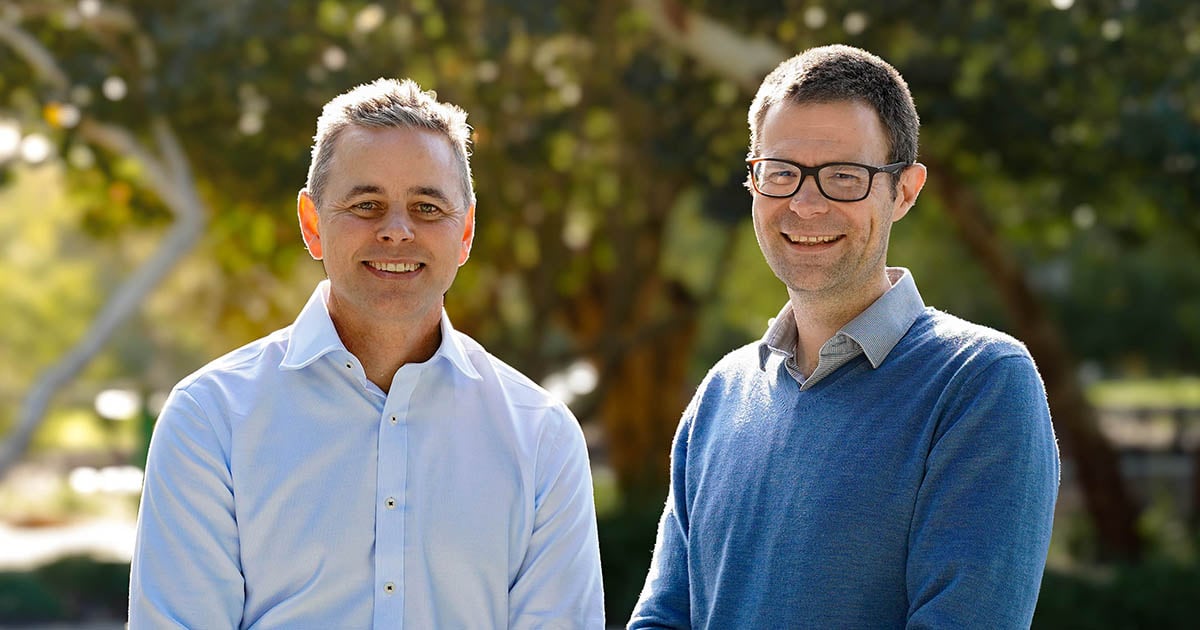
Researchers at The Kids Research Institute Australia have pushed back against claims by US President Donald Trump linking paracetamol use during pregnancy to autism.

A study of ORIGINS families has revealed a positive aspect to the COVID pandemic, with families found to benefit from the extra time together during lockdowns and mobile devices proving useful for helping them stay in touch with extended family and friends and for activities such as online classes.
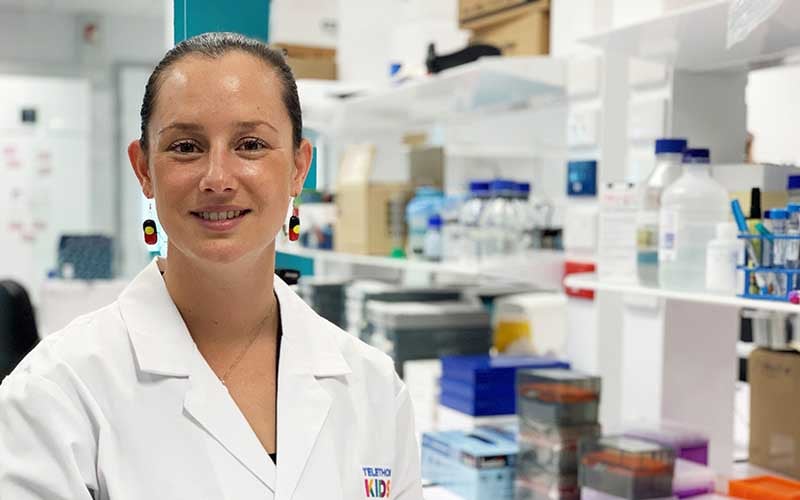
Outstanding Aboriginal researcher Jessica Buck has received a prestigious Forrest Foundation Research Fellowship to investigate innovative new therapies for children with brain cancer.

In this The Kids Research Institute Australia subsite, our Rett syndrome research team manages a national and international database of Rett syndrome.
In clinical genetics, establishing an accurate nosology requires analysis of variations in both aetiology and the resulting phenotypes. At the phenotypic level, recognising typical facial gestalts has long supported clinical and molecular diagnosis; however, the objective analysis of facial phenotypic variation remains underdeveloped.

Honorary Health Professional/Research Associate
We aimed to define the clinical and variant spectrum and to provide novel molecular insights into the DHX30-associated neurodevelopmental disorder. Clinical and genetic data from affected individuals were collected through Facebook-based family support group, GeneMatcher, and our network of collaborators.
The science that interprets the way nutrients and other substances in food affect maintenance, growth, reproduction, health and disease.