
Search
Showing results for "aboriginal respiratory"
Congratulations to infectious diseases clinician-researcher Professor Asha Bowen, awarded a Medal of the Order of Australia (OAM) in the King’s Birthday Honours List for her service to medicine in the field of clinical diseases.
The aim was to evaluate the incidence, sex distribution, ethnicity, age at diagnosis, clinical presentation and morbidity of all childhood-onset congenital...
In Australia, rheumatic heart disease (RHD) is almost exclusively restricted to Aboriginal Australian and Torres Strait Islander people with children being...
We begin to bridge this knowledge gap by assessing evidence on social gradients in indigenous health in Australia.
The rising incidence of invasive meningococcal disease (IMD) caused by Neisseria meningitidis serogroup W in Western Australia, Australia, presents challenges for prevention. We assessed the effects of a quadrivalent meningococcal vaccination program using 2012-2020 IMD notification data.
Rates of antimicrobial resistance (AMR) for some pathogens in Australia are considerably higher in rural and remote compared to urban regions. The inaugural Hot North Antimicrobial Academy was a 9-month educational programme aimed to build workforce knowledge and capacity in antimicrobial use, audit, stewardship, surveillance and drug resistance in remote primary health care.
Urinary tract infections (UTIs) due to MDR organisms are increasingly common. The lack of paediatric data on efficacious antibiotics makes UTI treatment particularly challenging. Data on the efficacy of fosfomycin use for UTI in children are variable.
Fiona Pete Stanley Azzopardi FAA FASSA MSc MD FFPHM FAFPHM FRACP FRANZCOG HonDSc HonDUniv HonFRACGP HonMD HonFRCPCH HonLLB (honoris causa) PhD, FRACP
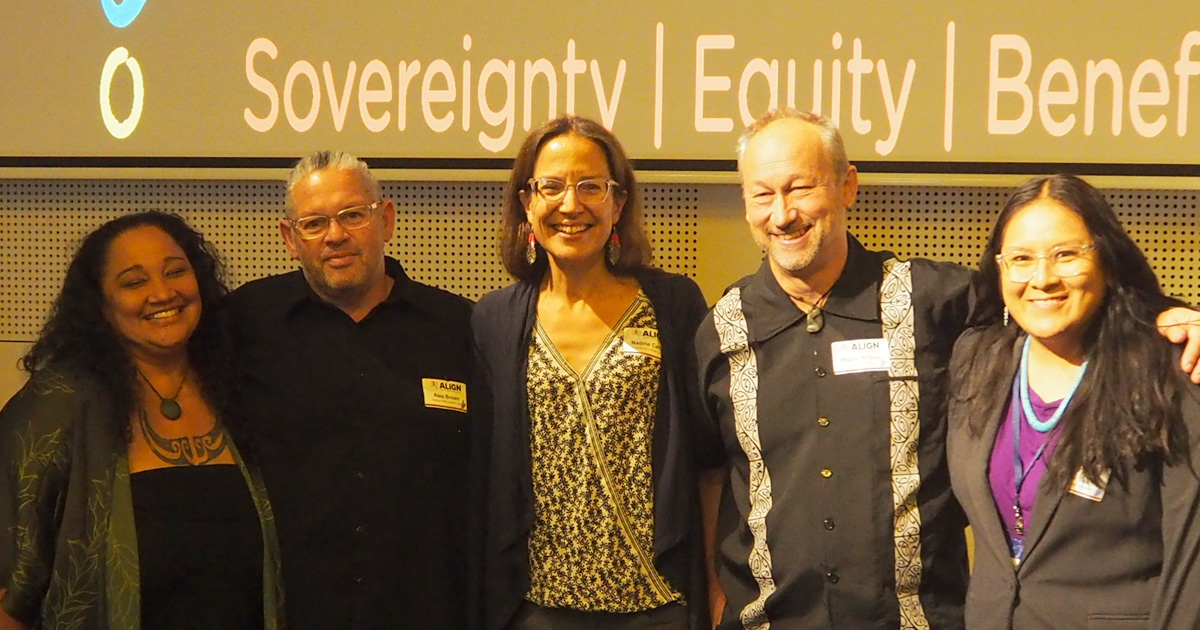
A national alliance of the brightest minds in genomic science, academia, policy makers, industry and Indigenous leaders will work to break down barriers to ensure Aboriginal and Torres Strait Islander people can benefit from advances in genomic medicine if they choose.

A new national network will be established to advance the benefits from Genomic Medicine for Aboriginal and Torres Strait Islander people living in Australia.