
Search
Showing results for "clinical trials"
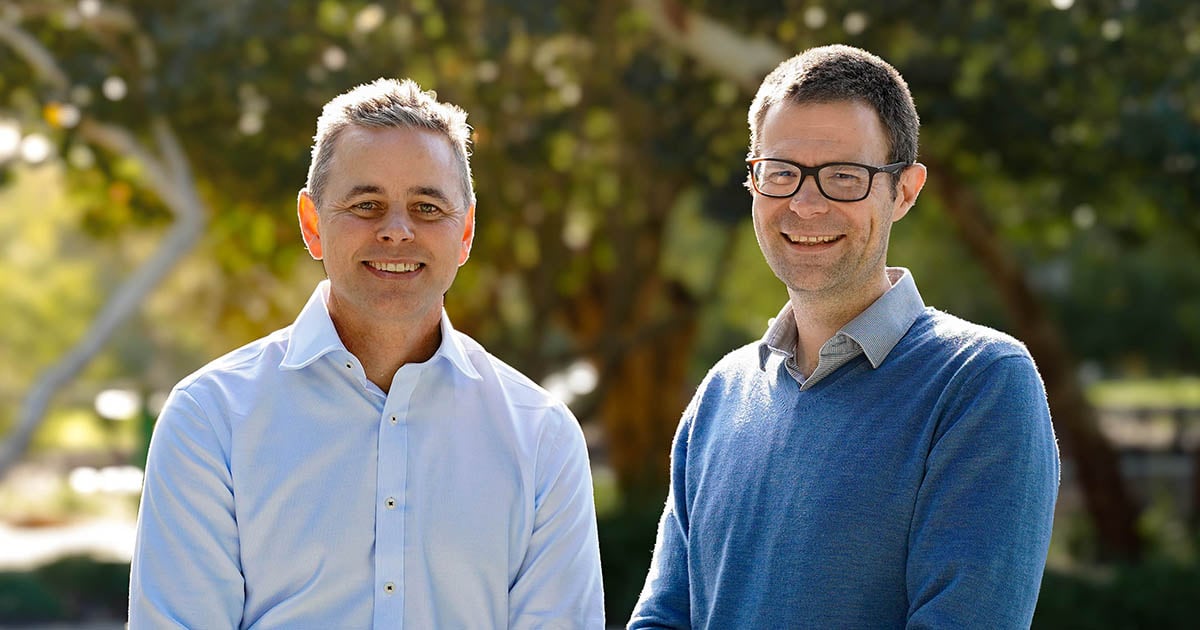
Researchers at The Kids Research Institute Australia have pushed back against claims by US President Donald Trump linking paracetamol use during pregnancy to autism.

A study of ORIGINS families has revealed a positive aspect to the COVID pandemic, with families found to benefit from the extra time together during lockdowns and mobile devices proving useful for helping them stay in touch with extended family and friends and for activities such as online classes.
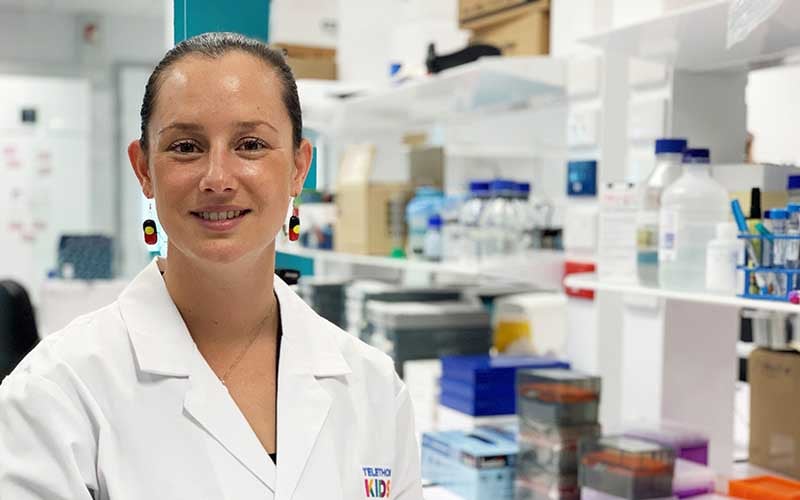
Outstanding Aboriginal researcher Jessica Buck has received a prestigious Forrest Foundation Research Fellowship to investigate innovative new therapies for children with brain cancer.
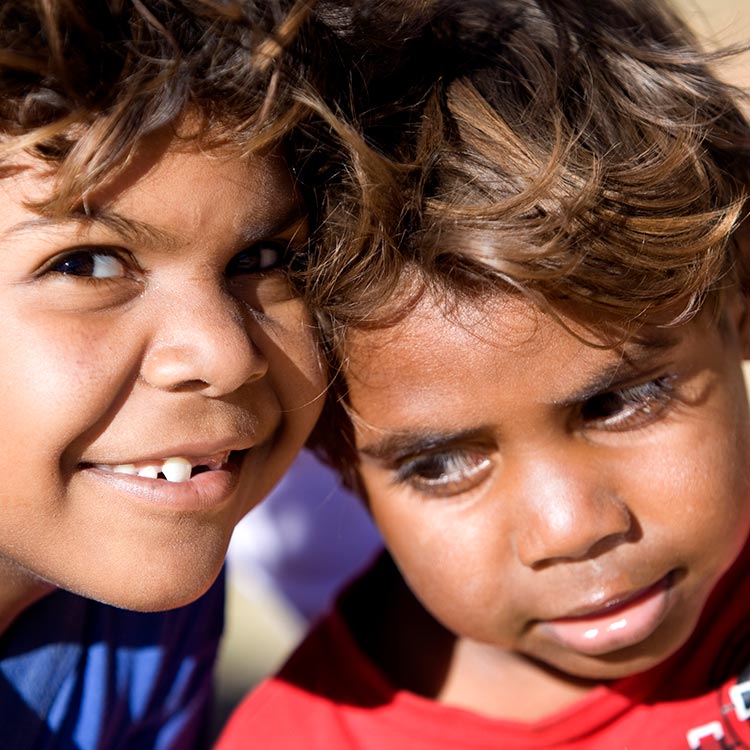
A $6 million commitment from Wesfarmers to Telethon will fund vital research to reduce the impact of chronic ear infections and other serious diseases.
Impact for Tourette’s is Australia’s first national project evaluating the unmet needs of people with Tourette syndrome and other tic conditions.
Over 90% of US children with cancer are treated at Children's Oncology Group (COG) centers, which seek to maximize enrollment in therapeutic and biobanking studies. Rare cancers have demonstrated lower than expected COG enrollment. We evaluated trends in COG rare cancer enrollment compared to US incidence from Surveillance, Epidemiology, and End Results (SEER) registries, examining the impact of COG therapeutic trials and Project:EveryChild, a cancer biobank/registry.
This five-year project in Western Australia (WA) aims to promote vitamin D sufficiency among Aboriginal people by developing food-based dietary strategies to increase vitamin D intakes and by encouraging safe sun exposure.
Small volume assays are required for large-scale research studies and in particular paediatric trials, where multiple measures are required from a single sample. Fluorescent bead-based technology (Bioplex/Luminex) allows high through-put and simultaneous quantification of multiple analytes in a single test. This technology uses sets of microspheres, each with a unique spectral address that can be coated with a different antigen of interest.
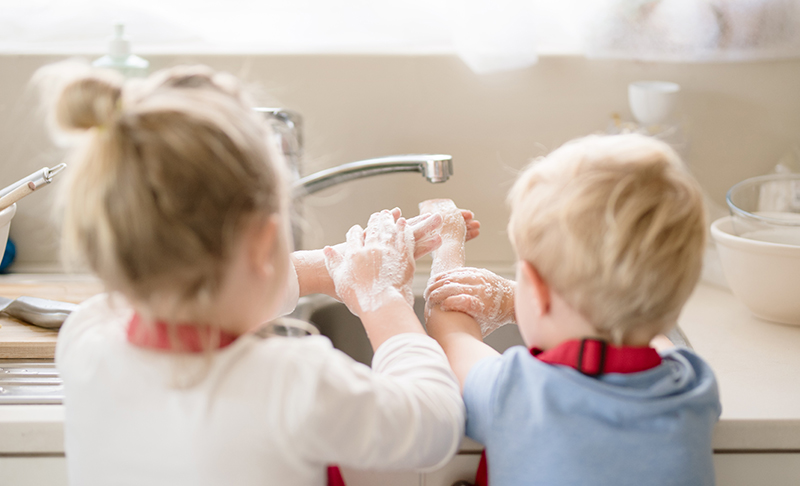
Comparatively few children have tested positive for coronavirus (COVID-19). Here’s what we know so far about how children are affected.
Strep A causes over 775 million infections each year world-wide, including over 615 million cases of tonsil infection (Strep throat).