
Search
Showing results for "lung disease preterm"

Pneumococcal – a bacterial infection that can cause pneumonia and meningitis – is responsible for 1000s of hospital admissions in Australia each year, many of them children.
The predisposition to food allergy development and the induction of allergen-specific immune responses appears to be initiated early in infancy. Early exposure to food allergens, such as peanut and cashew nut, via human milk is likely important in initiating oral tolerance and reducing risk of food allergy development. This trial aims to determine if the risk of developing peanut and cashew nut allergy during infancy can be reduced by a high peanut and cashew nut maternal diet during lactation.
Serotype 24F is one of the emerging pneumococcal serotypes after the introduction of pneumococcal conjugate vaccine (PCV). We aimed to identify lineages driving the increase of serotype 24F in France and place these findings into a global context.

Identifying at risk hearts: examining cardiovascular risk factors in the ORIGINS cohort
It may surprise you to know that the Australian government has invested almost $300 million dollars since 2000 towards research and clinical trials for diabetes
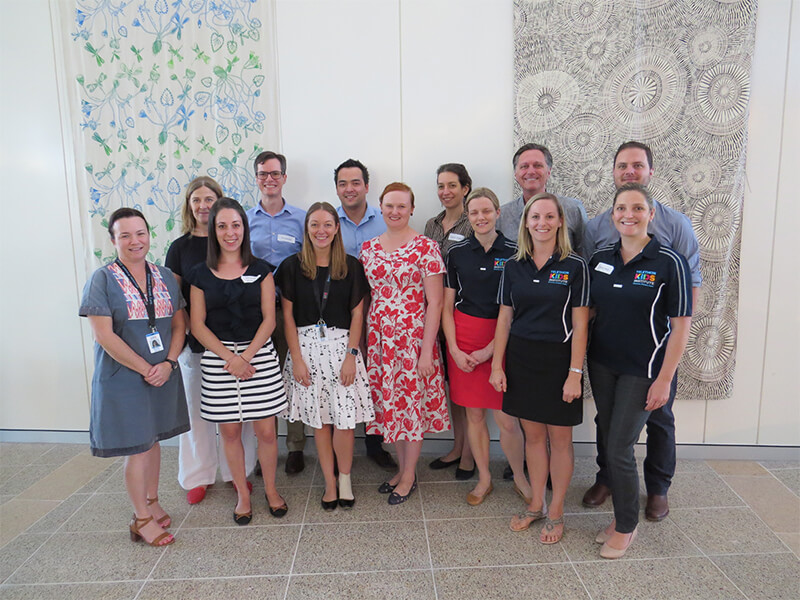
On 11 May 2017, over 60 attendees from throughout Australia convened in Darwin for a one-day Annual Meeting to discuss the progress of the END RHD CRE research projects, national RHD advocacy and the development of the final Endgame output.
Geostatistical analysis of health data is increasingly used to model spatial variation in malaria prevalence, burden, and other metrics. Traditional inference methods for geostatistical modelling are notoriously computationally intensive, motivating the development of newer, approximate methods for geostatistical analysis or, more broadly, computational modelling of spatial processes.
Recent research has documented a wide range of health, economic, and social benefits conferred by vaccination, beyond the direct reductions in morbidity, mortality, and future healthcare costs traditionally captured in economic evaluations.
Although a healthy diet and physical activity have been shown to prevent or delay cardiovascular disease (CVD) hospitalizations and deaths, most adults do not meet current guidelines.
To translate and validate the HLS-Child-Q15, a relatively short questionnaire for assessing health literacy in children originally validated in German, into English to make it accessible to a large population of English-speaking children.